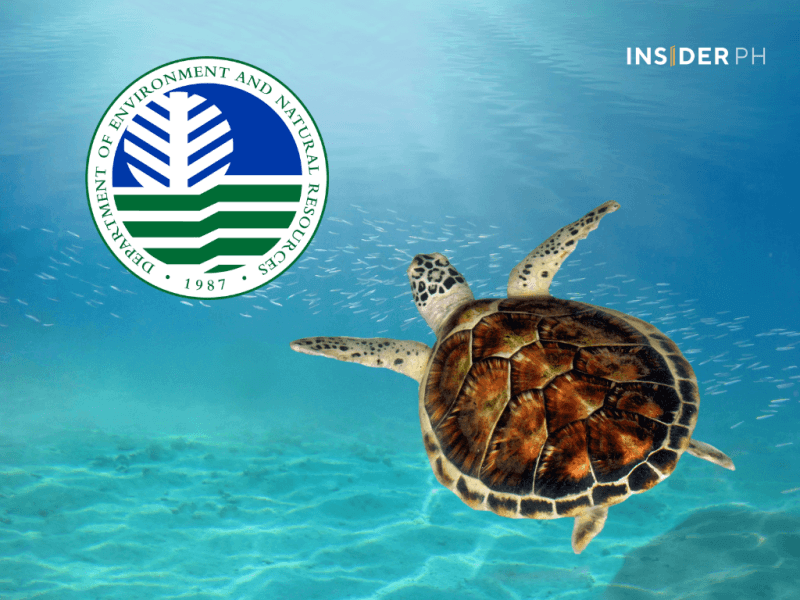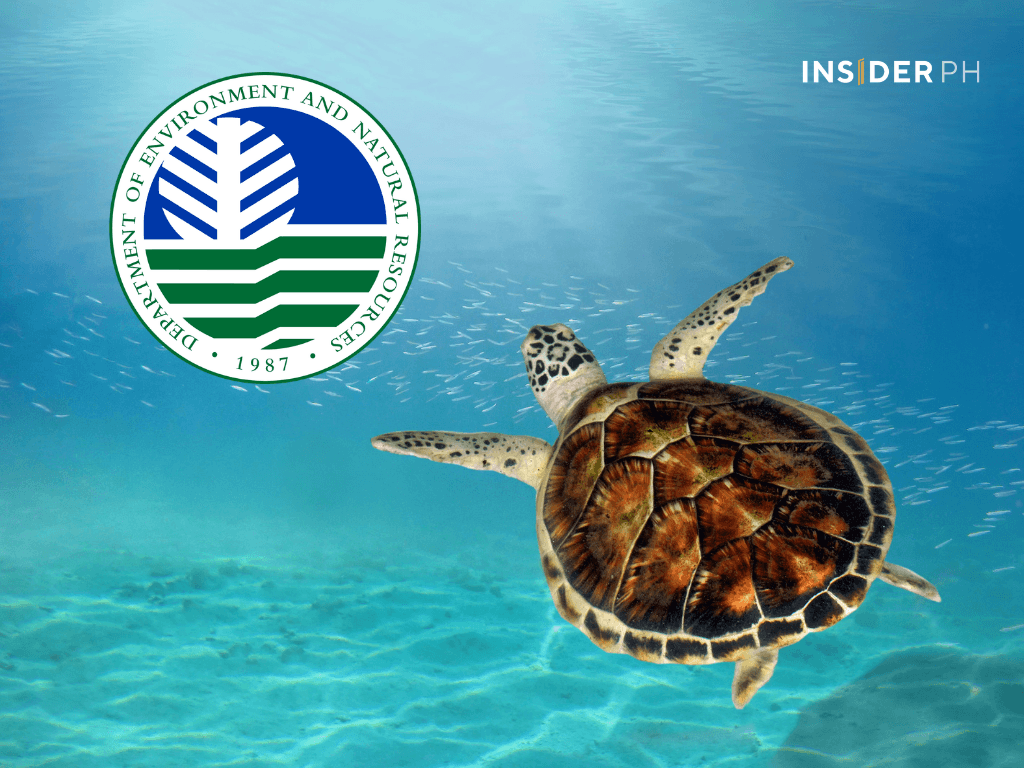
The turnaround is being driven by a conservation program that rewards residents who find and guard pawikan nests until the eggs hatch. Under a 2023 city ordinance, designated “Pawikan Parents” receive P100 for every successful hatching and can earn as much as P25,000 for protecting a nest.
Coastal barangays also receive P5,000 for helping protect hatchlings on their journey from the nest to the sea, according to the Department of Environment and Natural Resources (DENR).
“What we’re seeing is a heartening change. The same communities that once saw pawikan eggs as a source of income are now becoming their protectors, watching over nests, guarding hatchlings, and helping them reach the sea,” Environment Secretary Juan Miguel “Mitch” Cuna said.
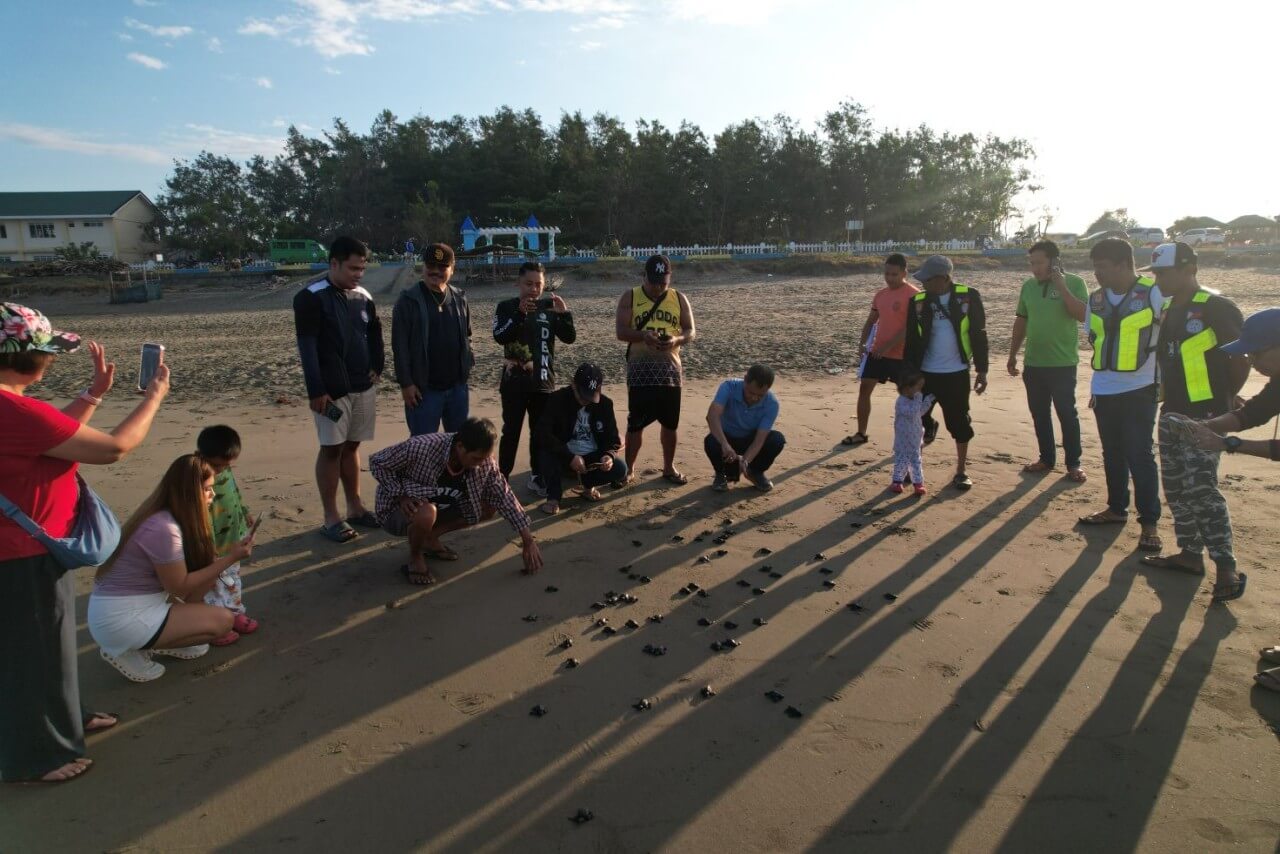
From poaching to protection
Poverty had driven some coastal residents to collect pawikan eggs and sell them in town for P30 apiece. More than 80 eggs from just two nests could regularly be taken from the shore, according to the DENR.
Candon City sought to change that incentive by making conservation financially rewarding for residents.
Mayor Eric Dario Singson signed Ordinance No. 1090 in 2023, creating the Pawikan Parents program and providing compensation to people who locate and protect marine turtle nesting sites.
“We thought of drafting a resolution or ordinance wherein those who monitor the nests would be given 100 pesos for every egg they collected. That was how it started, and once such an incentive was in place, we saw the people cooperating with the city government,” Singson said.
The local initiative complements the DENR’s implementation of Republic Act No. 9147, or the Wildlife Resources Conservation and Protection Act.
Cuna said grassroots education coupled with incentives could protect threatened wildlife while recognizing the economic needs of communities living alongside them.
Community effort
The DENR, through its Community Environment and Natural Resources Office in Tagudin, provides technical assistance and conducts information and education activities in coastal communities.
Residents are taught about marine turtle conservation, wildlife laws and the proper handling and protection of pawikan and their nesting sites.
The program has also enlisted local fisherfolk in spotting and securing nests.
Reynaldo Galace Jr., president of the Barangay Caterman Fisherfolks Association, has helped lead community conservation efforts. When fisherfolk spot telltale sea turtle tracks on beaches, they alert the DENR office and help secure nests using bamboo poles and nets.
“If not for the DENR teaching us and the support of the government, especially from [President] BBM, we wouldn't know about these sea turtles,” Galace said.
DENR ecosystem management specialist Ingrid L. Baglao credited local governments and barangays for taking an active role in protecting the turtles.
“What's truly wonderful is how our LGUs and barangays stepped up to help us conserve, manage, and protect our sea turtles,” Baglao said.
Threatened species
The Philippines is home to five of the world’s seven sea turtle species: green, hawksbill, olive ridley, leatherback and loggerhead turtles.
All five are included on the International Union for Conservation of Nature Red List of Threatened Species, with the hawksbill classified as critically endangered. Sea turtles continue to face threats from habitat loss, illegal egg collection, fishing bycatch, marine pollution and climate change.
The Candon initiative seeks to address at least one of those threats by turning coastal residents into the first line of defense for nesting turtles.
For communities where collecting eggs once offered quick income, the program has also provided an economic reason to keep them in their nests—transforming residents who once posed a threat to pawikan into partners in their survival. —Ed: Corrie S. Narisma