Insider Spotlight
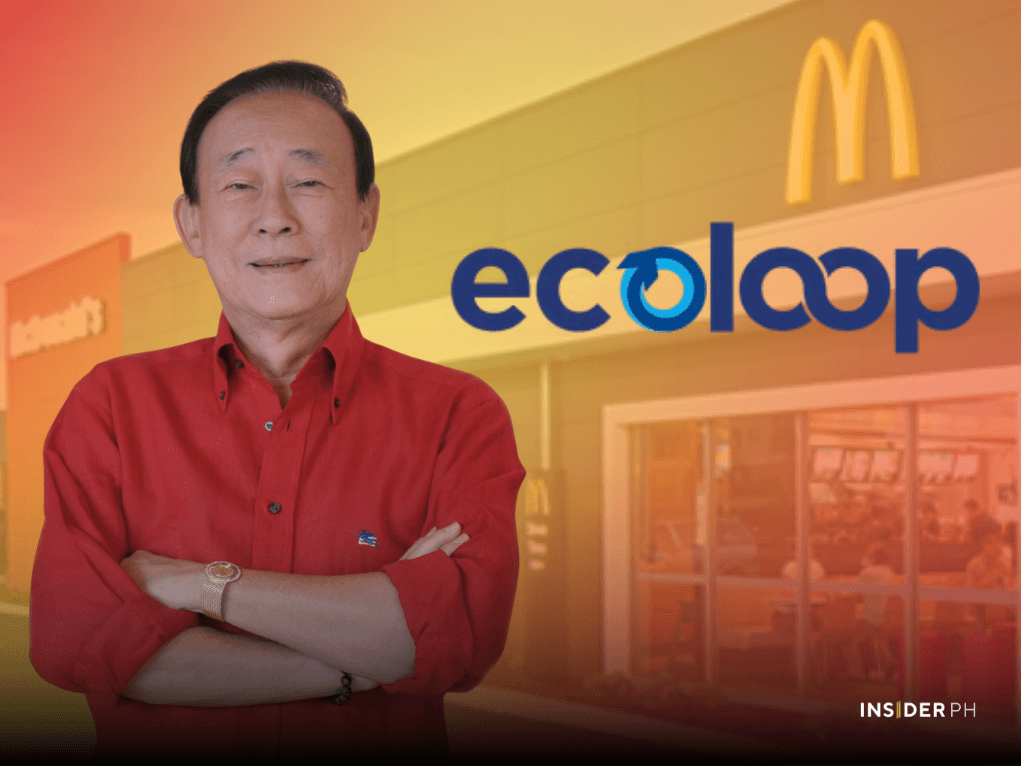
Under the agreement, plastic waste generated across McDonald’s restaurants will be delivered to Republic Cement facilities and processed into alternative fuel used in cement manufacturing. The arrangement gives discarded plastic a second life while supporting circular economy objectives and waste diversion goals.
Why it matters
The partnership highlights how major consumer-facing brands are increasingly working with industrial partners to address plastic waste challenges while meeting evolving regulatory requirements. It also underscores the growing role of co-processing and resource recovery in corporate sustainability programs.
“At ecoloop, we believe sustainability is achieved through collaboration. Our partnership with McDonald’s Philippines demonstrates how shared responsibility can turn plastic waste into valuable resources and drive meaningful progress toward a circular economy,” Angela Edralin-Valencia, director of ecoloop, Republic Cement, said in a press statement.
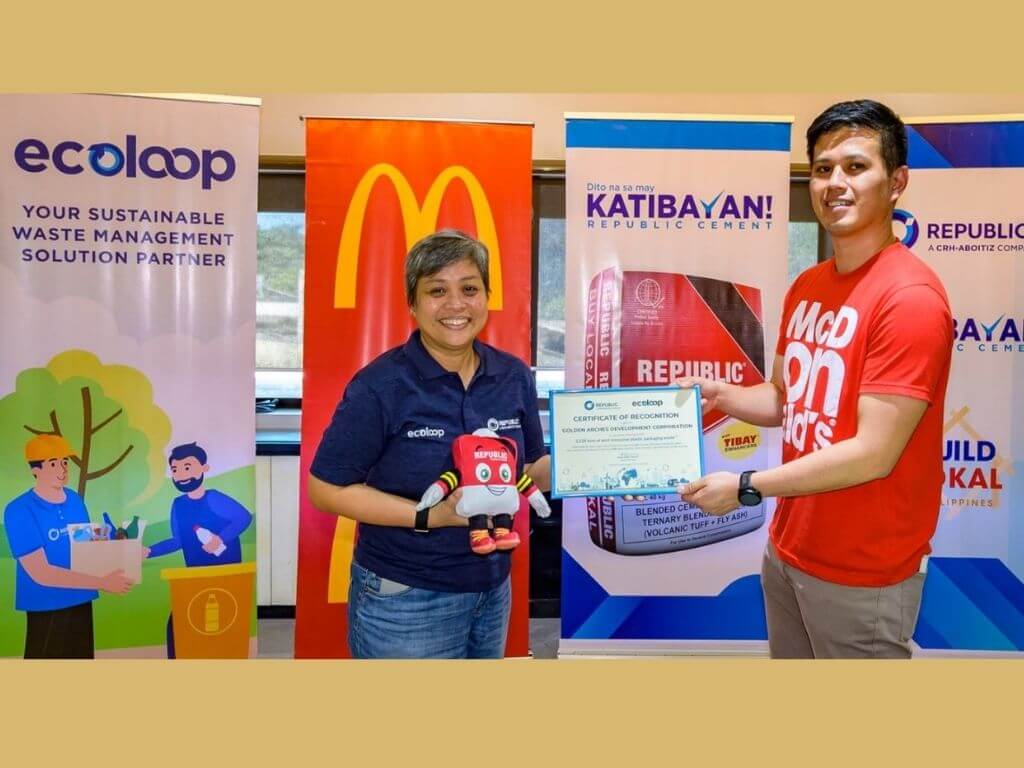
The agreement was formalized earlier this year at Republic Cement’s Teresa, Rizal plant. Representatives from both organizations attended the signing, including McDonald’s director for Restaurant Equipment Management Group Jacinto Divinagracia.
The bigger picture
The collaboration forms part of McDonald’s Philippines’ broader sustainability agenda and supports Republic Act 11898, or the Extended Producer Responsibility Act of 2022, which requires large companies to play a more active role in managing plastic packaging waste.
Before the signing, McDonald’s and Republic Cement participated in an environmental education program at Teresa Elementary School.
The activity included the donation of 50 classroom chairs through McDonald’s ReClassified initiative, which refurbishes decommissioned restaurant furniture for school use. The school also turned over collected plastic waste for co-processing.
“Environmental stewardship and sustainability are an important part of McDonald’s operations in the Philippines,” said Divinagracia.
“Across our 850-plus stores, we introduce and sustain innovations and practices that reduce our impact on the planet. Our partnership with ecoloop is a welcome addition to our continuing efforts to integrate environmental protection into the way we run our business,” he added.
McDonald’s Philippines currently advances sustainability through its Green & Good program, which includes green building features, renewable energy solutions, rainwater harvesting systems, and initiatives that reduce reliance on single-use plastics. —Vanessa Hidalgo | Ed: Corrie S. Narisma