
Insider Spotlight
The initiative aligns with the government's push to elevate Philippine gastronomy as a competitive tourism asset in Southeast Asia.
The hospitality company has rolled out its “Gateway to Gastronomy” campaign across its properties, supporting the Department of Tourism's Food and Gastronomy Tourism Roadmap 2024–2029.
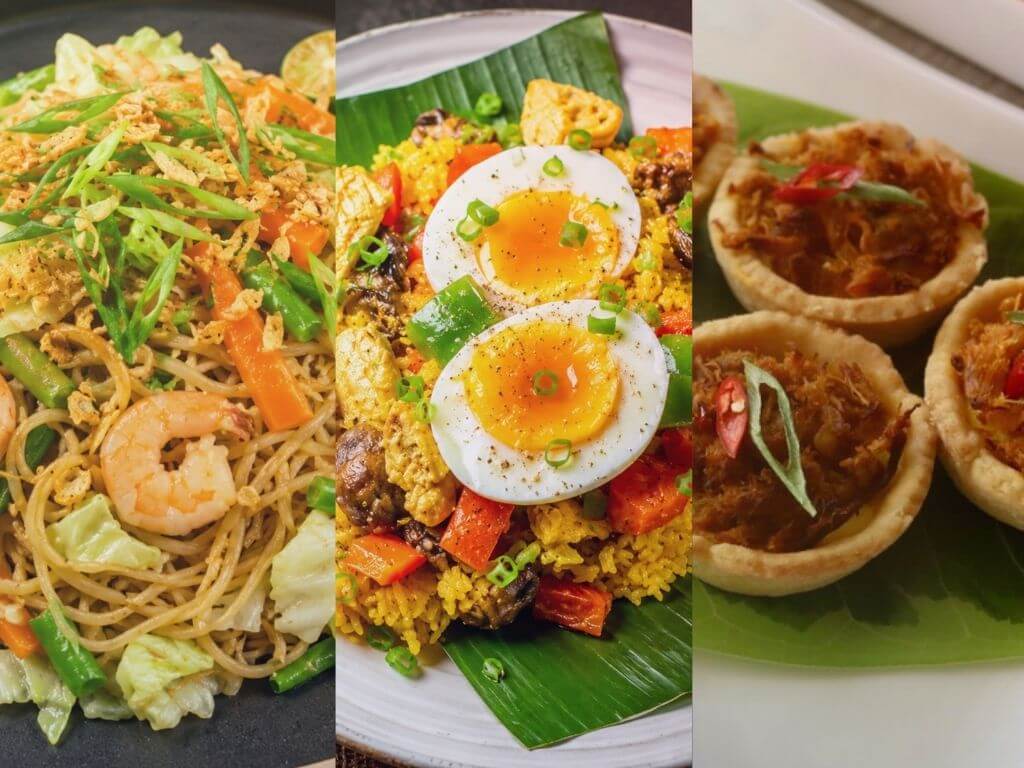
The program highlights destination-specific culinary traditions, with each hotel showcasing dishes that reflect local history, culture, and ingredients rather than offering a standardized dining experience.
Why it matters
The campaign reflects a broader trend among hospitality operators to use food as a differentiator, while supporting local supply chains and encouraging travelers to explore regional identities through cuisine.
“Every destination has a story to tell, and food is one of its most powerful storytellers,” SM Hotels and Conventions Corp. vice president for Quality and Sustainability Leah Magallanes said in a press statement.
“Through Gateway to Gastronomy, we celebrate the richness of our local culinary traditions while supporting the Department of Tourism's vision of making Philippine gastronomy a compelling reason to travel,” Magallanes said.
“Beyond offering memorable dining experiences, this campaign strengthens our partnerships with local farmers, fisherfolk, artisans, and food producers, helping preserve regional food traditions while creating opportunities for the communities that keep these culinary legacies alive,” she added.
By the numbers
Participating properties include Taal Vista Hotel, Pico Sands Hotel, Park Inn by Radisson Clark, Park Inn by Radisson North Edsa, Park Inn by Radisson Iloilo, Park Inn by Radisson Bacolod, Park Inn by Radisson Davao, and Lanson Place Mall of Asia, each featuring menus inspired by their respective regions.
The bottom line
SMHCC is using its hotel network not only to attract travelers but also to promote regional food heritage, reinforce local tourism ecosystems, and strengthen links between hospitality businesses and community-based food producers.
The company said the initiative positions its properties as destinations where culinary experiences reflect the culture, traditions, and stories of their respective regions. —Vanessa Hidalgo | Ed: Corrie S. Narisma