Insider Spotlight
The Philippine residential developer is positioning homeownership during a person’s earning years as one way to create flexibility for changing needs, saying that a property can evolve from a family home into an investment or eventual retirement residence.
Multipurpose investment
Housing decisions can influence access to work, family, healthcare and other everyday necessities. SMDC said buying a home earlier allows an investment to develop alongside a homeowner’s changing priorities.
A well-located property can also serve several purposes over time, including accommodating a growing family, generating investment value, welcoming relatives returning from overseas or becoming a retirement home.
The company said this approach is relevant to young professionals, overseas Filipino workers, balikbayans and families who are planning not only for retirement finances but also for the lifestyle they want later in life.
Curated real estate portfolio
SMDC develops communities near transport, healthcare facilities, retail establishments, business districts and essential services. It said these connections are intended to provide benefits to homeowners today while supporting their needs in later stages of life.
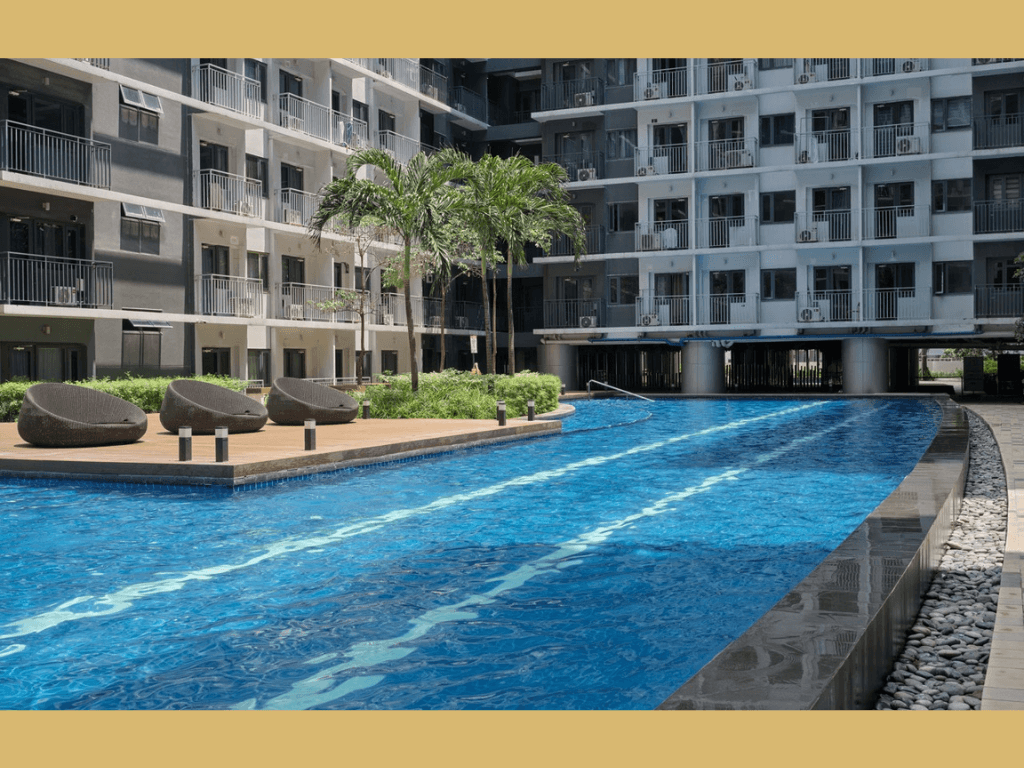
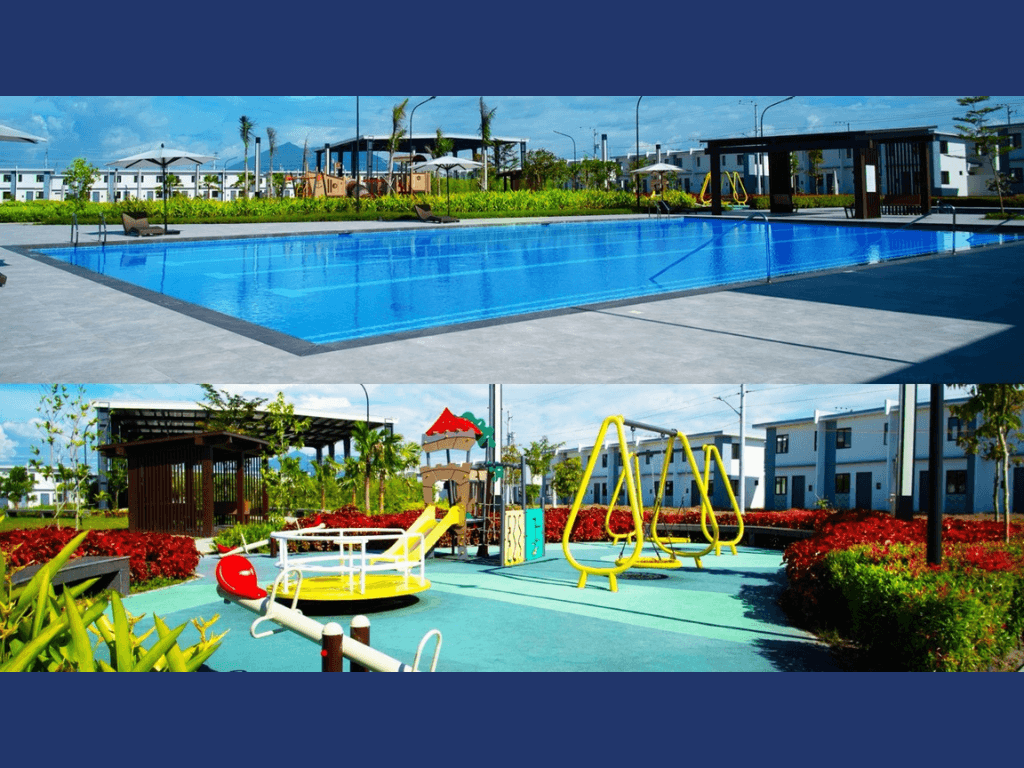
Its portfolio includes SMDC Heights for high-rise urban developments, SMDC Nature for mid-rise communities focused on wellness and open spaces, and SMDC Symphony Homes for house-and-lot developments in emerging growth corridors.
SMDC is a subsidiary of SM Prime Holdings and a core brand under SM Residences. Through SM Prime, the residential developer is linked to a nationwide network of malls and commercial centers.
Early start
SMDC said it has delivered more than 100,000 homes across Metro Manila and key urban centers nationwide.
The retirement-focused pitch reflects a broader proposition in its material: instead of treating retirement as a milestone that begins at a fixed age, homeowners can consider how property choices made during their working years may support future living arrangements.
SMDC said communities designed around accessibility, convenience and everyday connections can help homeowners prepare for changing stages of life while continuing to use their properties in the present. —Vanessa Hidalgo | Ed: Corrie S. Narisma