
Insider Spotlight
The bank waived transfer fees beginning Aug. 1 for transactions through its U.S. Virtual Account on RCBC Pulz, a move that could make sending money through the service more attractive to Filipinos overseas.

Why it matters
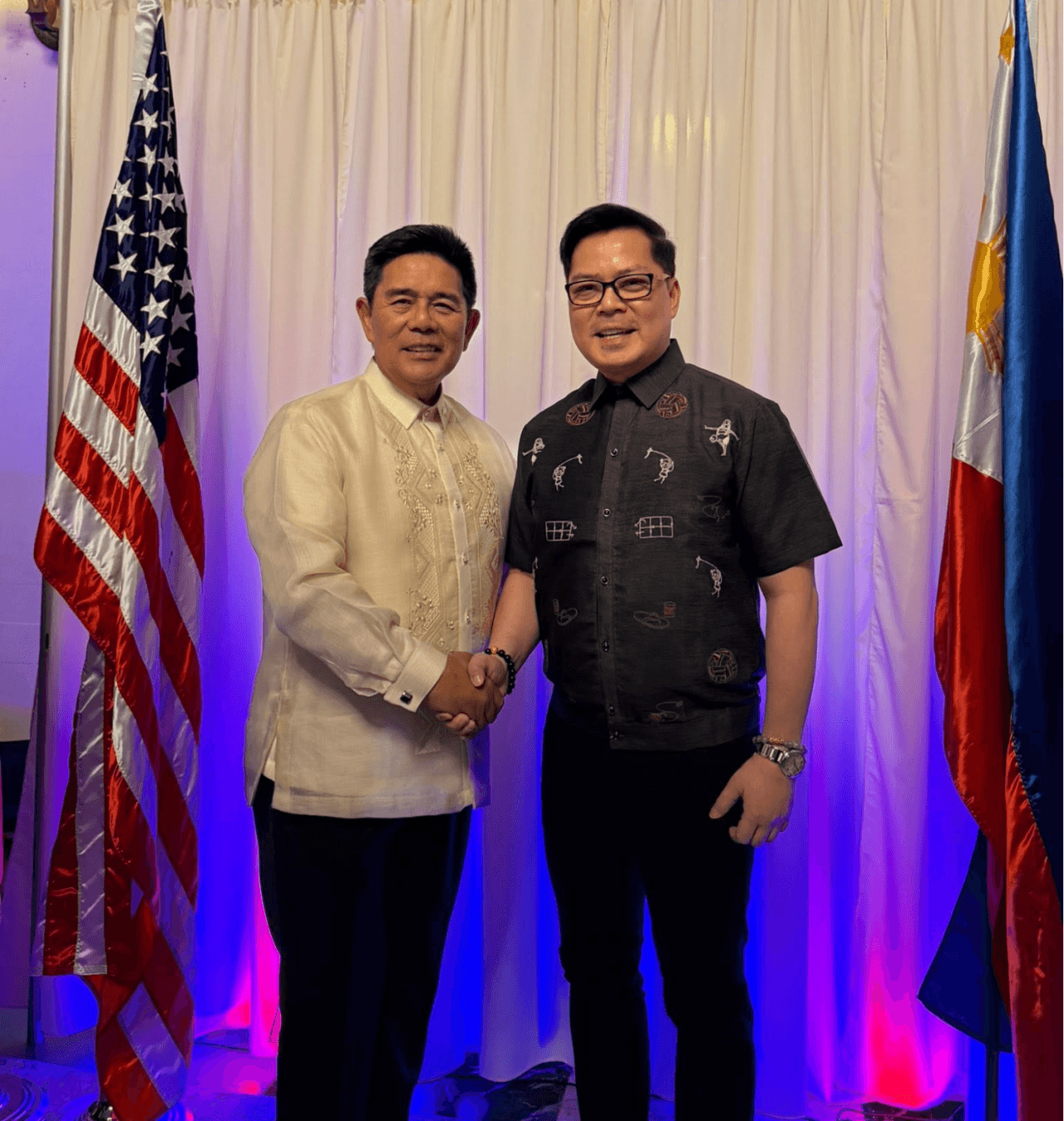
The announcement came as RCBC executive vice president and chief innovation and inclusion officer Lito Villanueva addressed the International Asian American Business Expo, held on Aug. 7 to 8 in Torrance, California. The gathering brought RCBC face-to-face with Filipino-American business leaders as the bank pushes to expand digital financial links between the US and the Philippines.
Villanueva used his opening keynote to highlight RCBC's digital services for Filipinos overseas, including its U.S. Virtual Account through RCBC Pulz and the MySSS Card powered by RCBC DiskarTech.
The bigger picture
For overseas Filipinos, the practical pitch is straightforward: lower transfer costs and easier access to Philippine banking from abroad.
For RCBC, however, the opportunity extends beyond processing money sent home.
Overseas Filipino remittances accounted for more than 7.3 percent of the Philippine economy in 2025, according to RCBC's release, making the diaspora a massive financial market that banks can serve with a wider range of digital and cross-border products.
“When something hits 7 percent of a nation's GDP in most industries, that's not a category anymore. That's the whole industry. And it deserves to be treated that way—not as a footnote in a remittance report, but as a core national infrastructure built by people, run frankly on love,” Villanueva said.
What's next
RCBC's conversations at the expo explored potential uses beyond conventional remittances, including real estate payments from the US to the Philippines and transactions flowing in the opposite direction.
Those were discussions, not announced services or finalized partnerships. But they point to a bigger opportunity: turning the huge Filipino remittance corridor into a broader two-way banking relationship serving consumers, property buyers and businesses.
“RCBC has been around for 65 years, and we've learned that showing up for a Filipino family means showing up for the moments that matter most. The first house, the first business, the day someone leaves to go build a better life somewhere else,” Villanueva added.
Bottom line
The remittance business is increasingly a gateway rather than the destination. RCBC's California push shows how Philippine banks can compete to own more of the diaspora's financial relationship — not merely move the money. —Princess Daisy C. Ominga| Ed: Corrie S. Narisma