Insider Spotlight
The initiative seeks to establish clearer processes for documenting musical works, recognizing creators, and managing licensing agreements, allowing composers and arrangers to benefit financially from their contributions to Philippine musical heritage.
Business model for traditional music
Traditional Filipino music has been passed down through generations, but composers and arrangers have not always received formal recognition or compensation for their work.
Musicondalla aims to address this gap by strengthening attribution, permissions, and royalty management while developing a sustainable business model for traditional music.
“Preserving Filipino music also means protecting the people who create it,” Musicondalla founder and CEO Mariefrance Vasquez Ballester said in a press statement. “We cannot expect our musical traditions to thrive if composers, arrangers, and musicians cannot sustain themselves through their craft,” she added.
Tiered licensing framework
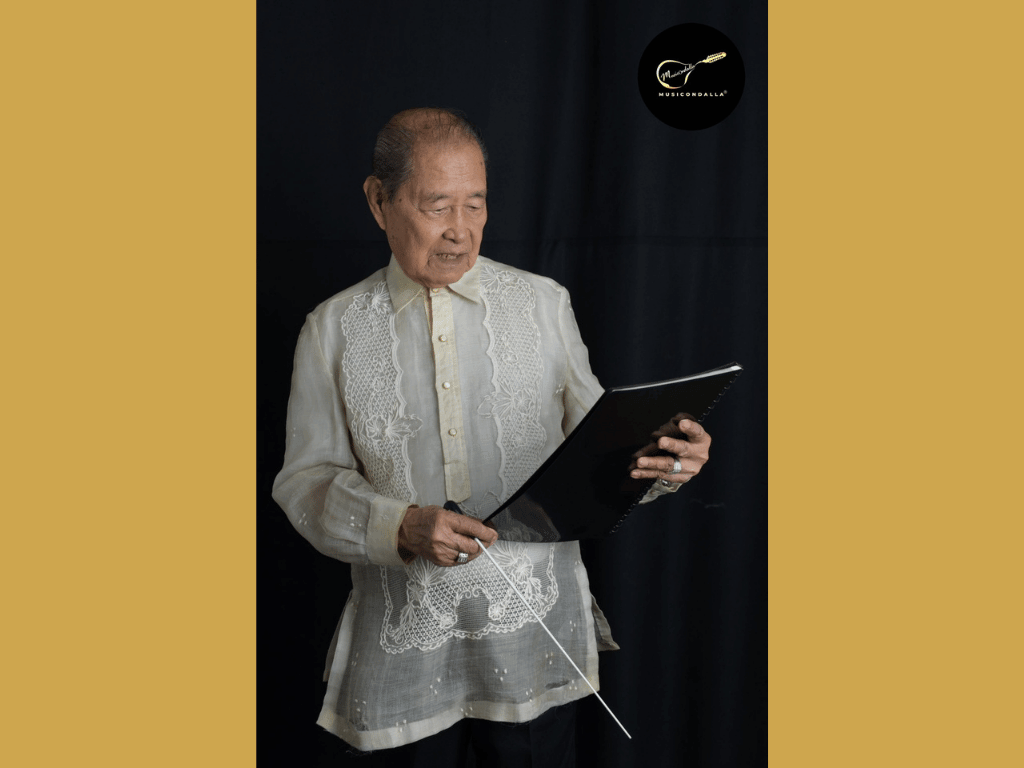
Central to the strategy is Musicondalla's catalog of National Artist for Music Alfredo Santos Buenaventura, which the organization acquired in 2022.
The enterprise is expanding its collection of original compositions and rondalla arrangements for live performances, educational use, and digital distribution.
Under its tiered licensing framework, schools, youth ensembles, and noncommercial performers may access selected musical works without fees, subject to proper attribution and permissions.
Commercial users, meanwhile, will be required to secure formal licensing agreements and pay applicable fees to support creators.
Digital licensing platforms
Musicondalla is exploring digital licensing platforms and online music repositories to improve access to Filipino musical scores locally and internationally.
These initiatives could create new distribution channels for traditional compositions while providing a structured framework for protecting intellectual property rights.
The organization is pursuing partnerships with music publishers, educational institutions, cultural organizations, and industry stakeholders to expand international publishing opportunities.
Preserving musical heritage
The collaborations aim to introduce Filipino classical and folk music to broader audiences while strengthening the economic sustainability of the country's musical heritage.
For Musicondalla, preserving Filipino music goes beyond protecting cultural traditions. It also means ensuring that the people behind these works can continue earning a livelihood from their craft. —Vanessa Hidalgo | Ed: Corrie S. Narisma