Insider Spotlight
The big picture
Gross Merchandise Value across Packworks’ network of 300,000 stores climbed to P3.73 billion in March, nearly doubling from P1.97 billion in February. The spike reflects growing anxiety over fuel-driven price increases and supply chain disruptions.
What’s happening
A standout moment came on March 21, when sales surged 265 percent days after double-digit fuel price hikes were announced. Store owners rushed to secure inventory ahead of expected cost increases.
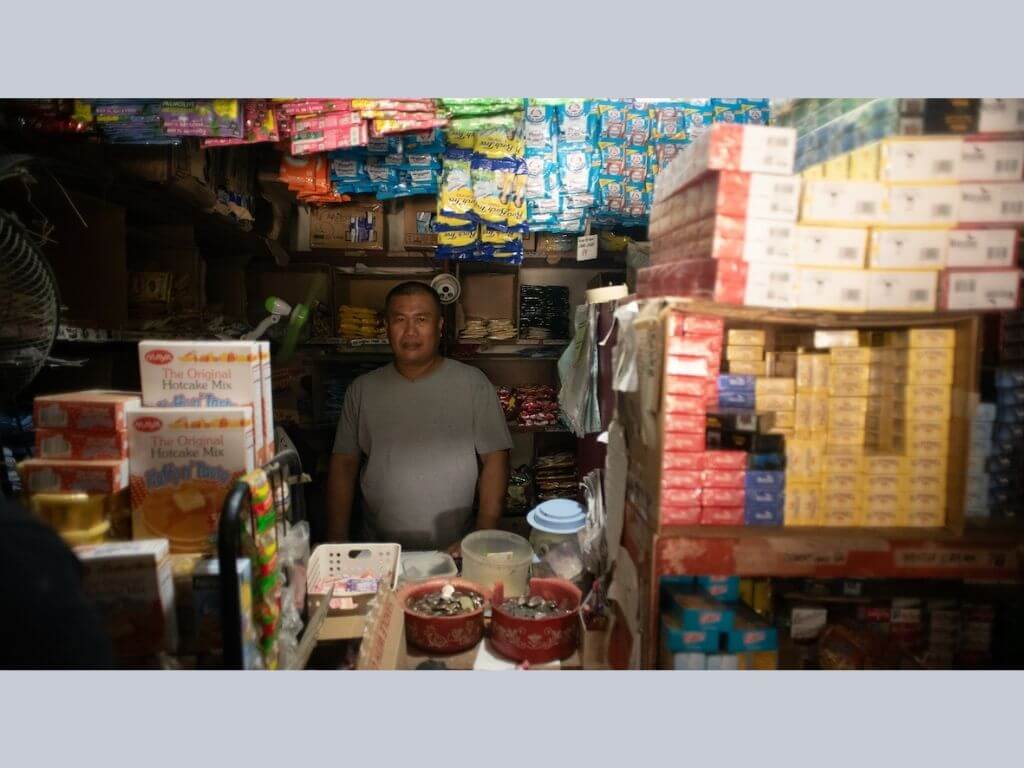
A sari-sari store owner from Masbate said, “Nag-stock up kami dahil natatakot kaming maubusan ng paninda at magkaroon ng delay sa delivery mula sa mga supplier (We stocked up because we were worried about running out of supplies and possible delays in deliveries)."
Why it matters
Fuel costs ripple quickly through the informal retail economy, where thin margins and frequent restocking make small stores highly sensitive to logistics shocks. Delivery lead times in some areas have stretched to three weeks, intensifying the urgency to buy in bulk.
Behavior shift
Consumers are also changing habits. Instead of frequent small “tingi” purchases, households are consolidating trips. Average basket sizes jumped significantly, while transaction volumes rose just 17 percent, signaling fewer but larger purchases.
Data dive
Basket sizes increased from as low as P337 to as high as P1,560 in March, compared to a previous range of P337 to P1,097. Regions like Cordillera, NCR, and BARMM posted some of the steepest gains.
Top-selling goods included cigarettes, detergent, gin, coffee, and snack items—suggesting both essential and discretionary stockpiling.
What they’re saying
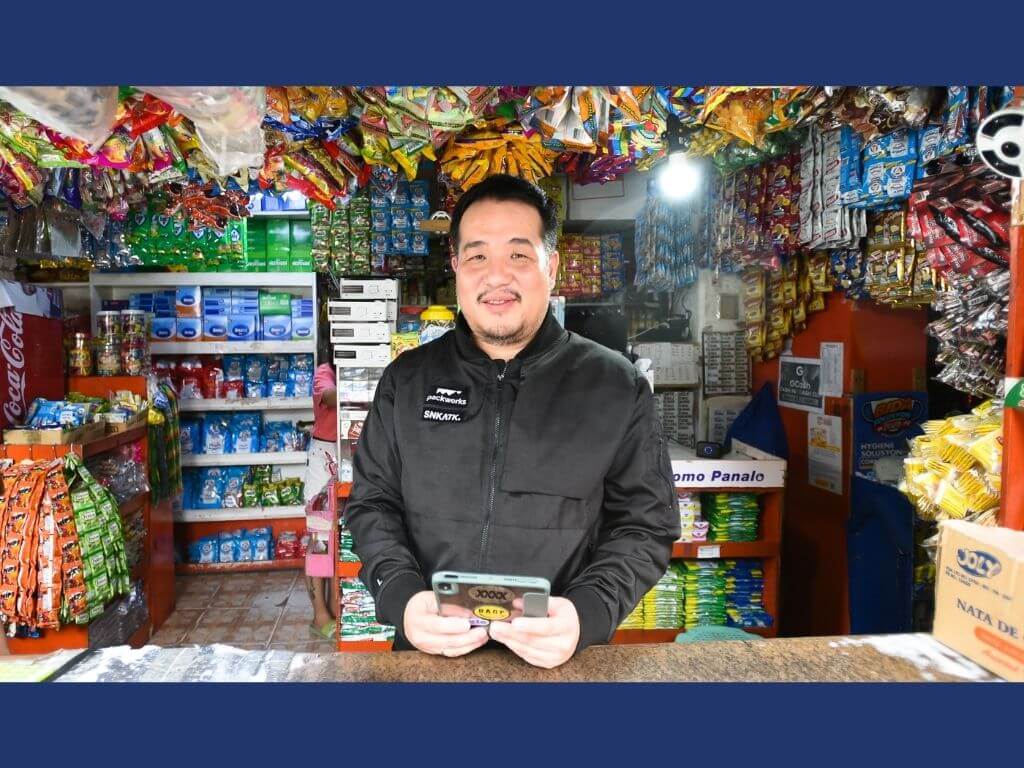
“With growing uncertainty and rising oil and commodity prices, our data suggests that sari-sari store owners are proactively adjusting their purchasing strategies,” Andoy Montiel, chief data officer of Packworks, said in a press statement on April 23, 2026.
“As the backbone of local communities, sari-sari stores continue to demonstrate resilience in times of disruption. However, they remain highly vulnerable to price fluctuations and logistical challenges, highlighting the need for continued support,” said Packworks chief platform officer Hubert Yap.
The bottom line
Sari-sari stores remain resilient but exposed. As fuel volatility persists, their ability to adapt through bulk buying and digital tools may determine how well they weather future shocks. —Vanessa Hidalgo | Ed: Corrie S. Narisma