
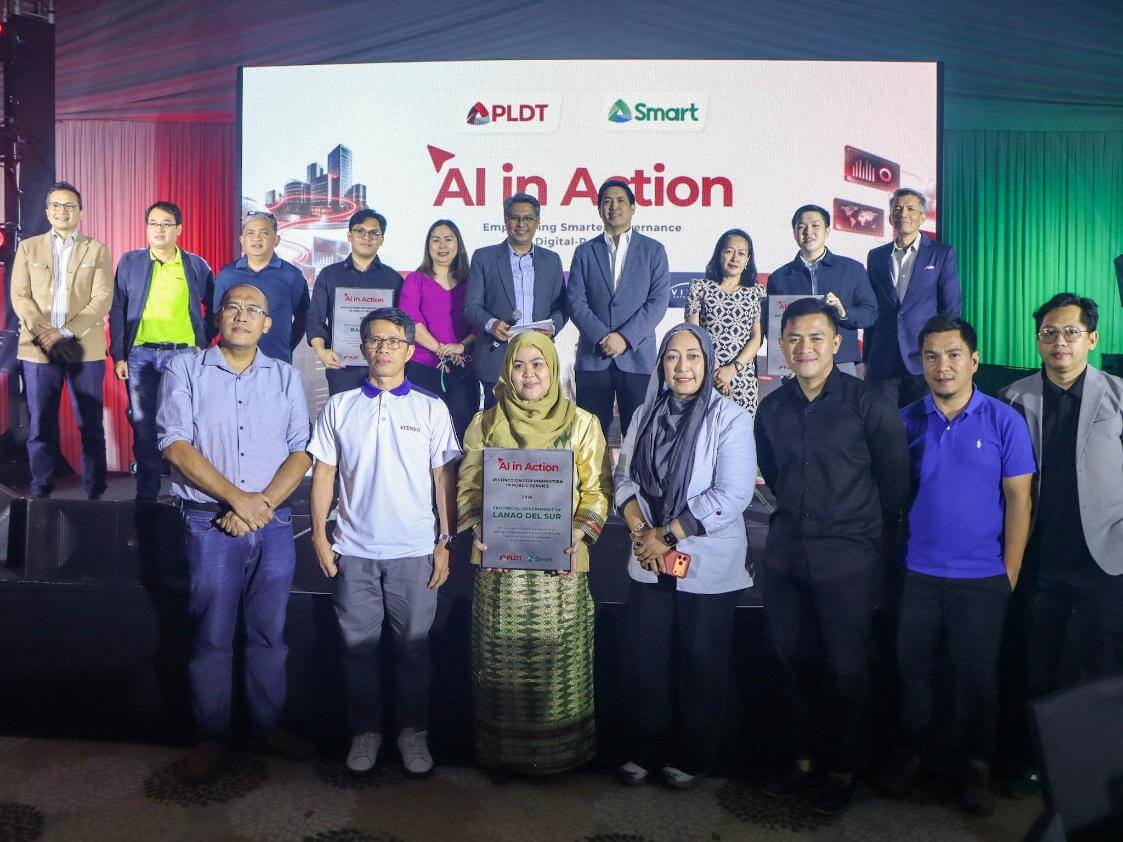
Baguio City, Cabanatuan City, Cebu City and Lanao del Sur province have developed AI-powered applications through the telco group's AI-in-a-Box program, with their projects set to be showcased at an upcoming forum.
But the bigger test is whether these tools can become permanent fixtures in local government, where limited resources, data privacy concerns and the cost of maintaining new systems can complicate technology adoption.
“AI is opening new opportunities for government to improve the way services are delivered, but technology is not the goal itself,” said Stephanie V. Orlino, PLDT and Smart assistant vice president and head of stakeholder engagement.
Beyond the pilot stage
The initiative comes as local governments explore ways to automate routine processes, improve decision-making and deliver services more efficiently, although PLDT has yet to disclose the specific applications developed by the four participating LGUs.
PLDT and Smart will bring together government officials and technology providers at their AI in Action forum to examine what it takes to turn promising demonstrations into systems that can operate reliably over the long term.
Among the concerns are the readiness of government data, cybersecurity, privacy safeguards and whether local offices have enough trained personnel to manage AI tools without relying indefinitely on outside providers.
A potential government market
For PLDT and its enterprise technology arm ePLDT, the initiative also provides an opportunity to demonstrate their capabilities to local governments that may eventually require connectivity, cloud infrastructure and other digital services.
ePLDT chief commercial officer Amil Azurin and Department of Science and Technology scientist Elmer Peramo are among the speakers expected to discuss how AI can support public services and fit into the country's broader technology strategy.
—Edited by Miguel R. Camus