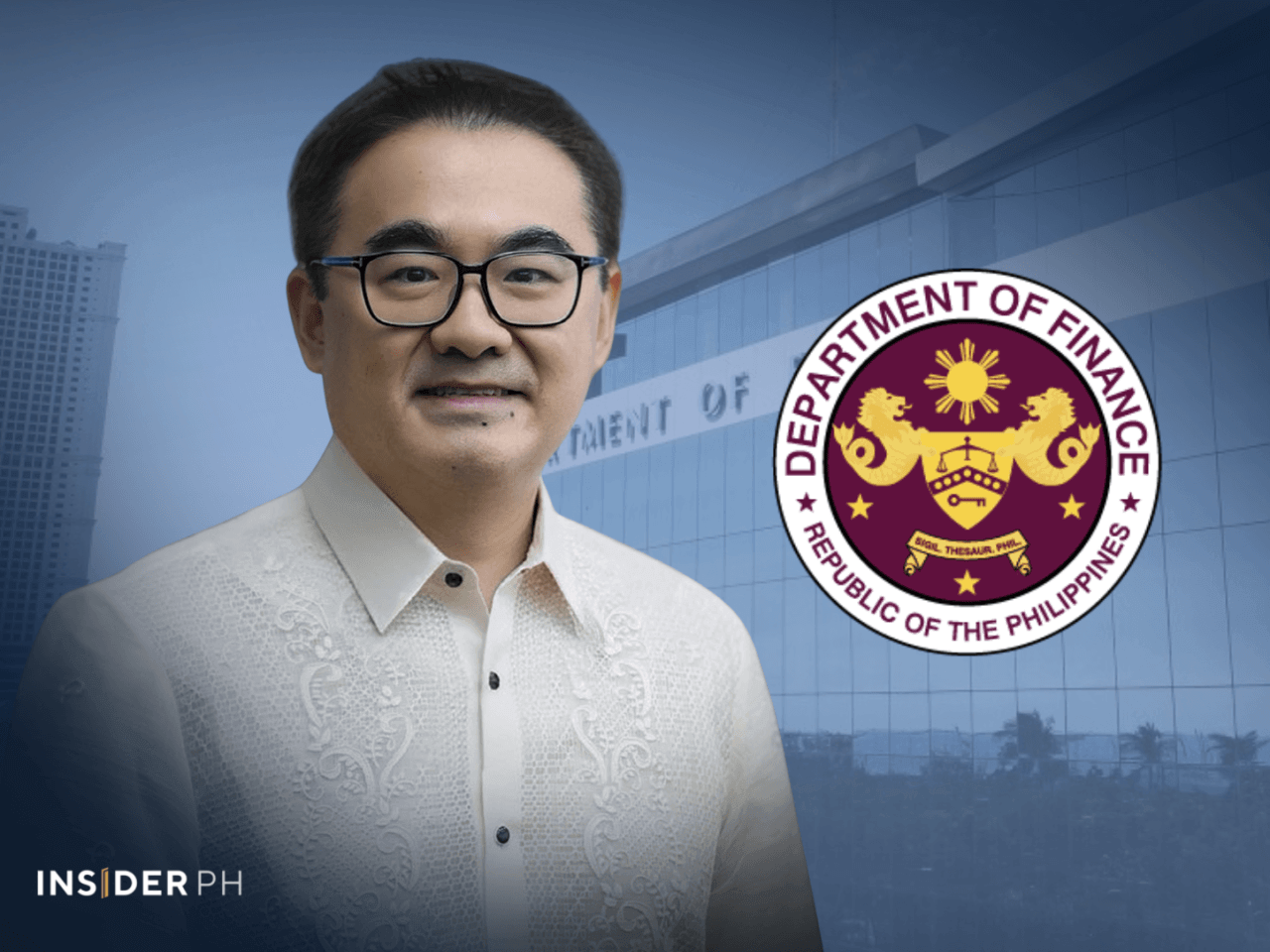
The reform, led by Finance Secretary Frederick D. Go, is part of broader efforts to reduce red tape and make the Philippines more business-friendly.
Importers have long cited frequent renewals and fees as barriers to efficient operations. The changes are expected to ease administrative burdens and help speed up the movement of goods.
“By extending the validity of importer accreditation, we are reducing red tape and enabling a more efficient trade system that can meet growing consumer demand and support local industries,” Go said. “This reform allows businesses to focus more on operations and growth rather than administrative requirements.”
What changed
The big picture
The move aligns with broader efforts to make the Philippines more competitive as a trading hub while addressing supply chain inefficiencies.
How it works
Importers must still submit an Annual Reportorial Compliance (ARC) within 30 days of their accreditation anniversary, ensuring records remain updated despite the longer validity period.
Zoom in
The new Customs Administrative Order (CAO) introduces clearer rules for automatic renewal.
Between the lines
While the extension reduces paperwork, the ARC requirement ensures the BOC retains oversight — balancing ease of doing business with regulatory compliance.
Policy context
The reform supports President Ferdinand Marcos Jr.’s directive to create a more business-friendly environment and strengthen trade competitiveness.
What’s next
Implementation of the updated system is expected to streamline customs processes and encourage more businesses to engage in import activities.
Bottom line
By cutting costs and extending validity, the BOC is simplifying importer accreditation — a shift that could improve trade efficiency while maintaining compliance safeguards.—Ed: Corrie S. Narisma