Insider Spotlight
DMHC is a joint venture involving Alternergy Mini Hydro Holdings Corporation, Markham Resources Corporation, and Nueva Ecija II – Area 2 Electric Cooperative (NEECO II – Area 2).
“The complete COC license confirms our full compliance to the technical, operational and regulatory requirements and documentations by the ERC,” said Gerry Magbanua, president of DMHC and Alternergy Holdings Corporation.
The Dupinga facility will operate as an embedded generation plant supplying additional capacity to NEECO II – Area 2 under a 20-year bilateral power supply agreement.

Why it matters
The project comes as the Philippines continues to push renewable energy investments amid concerns over fuel price volatility and energy security.
“The timing of the start of its commercial operations could not be better. Amid an ongoing oil supply crisis, the Dupinga ROR Plant will deliver reliable and sustainable power at predictable price to NEECO II – Area 2,” said Dexter Teng, DMHC chair and Markham president.
Teng added that geopolitical tensions in the Middle East underscore the need for the country to prioritize indigenous and sustainable renewable energy resources.
For NEECO II – Area 2, the additional supply is expected to improve electricity reliability in Gabaldon and neighboring municipalities that are considered the “last mile” areas within its franchise.
The bigger picture
The Dupinga project took several years to complete as developers navigated permitting, indigenous peoples’ engagements, climate-related disruptions, the pandemic, and geopolitical challenges.
Eduardo Martinez Miranda, president of Alternergy Mini Hydro Holdings Corporation, also credited the Development Bank of the Philippines for supporting the project as sole lender.
The plant is expected to provide renewable electricity to around 13,000 households in Nueva Ecija while avoiding about 16,500 metric tonnes of carbon emissions.
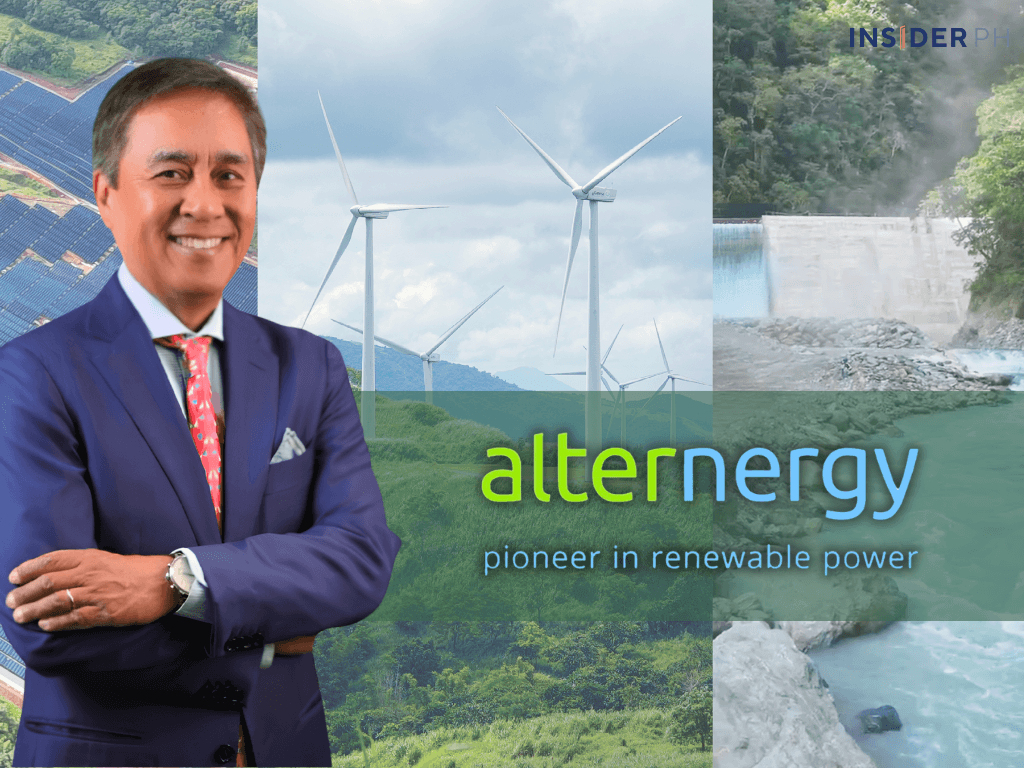
Alternergy — which is led by former Energy Secretary Vince Perez — said the facility incorporates a 3-kilometer concrete headrace and a 1-kilometer steel siphon system designed to follow the mountain’s natural contours to minimize environmental and community impact. —Daxim L. Lucas |Ed: Corrie S. Narisma