
The conglomerate said the strategy supports human capital while expanding its footprint in sectors benefiting from sustained demand.
During the InvestPH 2026 panel organized by the Philippine Stock Exchange, Ayala chair Jaime Augusto Zobel de Ayala highlighted the role of public-private partnerships in expanding private sector participation while allowing the government to dedicate more resources to essential services.
The big picture
“If you look at how countries move forward, there are three basic pillars. Number one is education, for the future. Number two is making sure citizens are healthy. Number three is ensuring that they earn an income,” Zobel de Ayala said in a press statement.
Ayala Corporation chief social infrastructure officer Paolo F. Borromeo said the country must continue investing in physical infrastructure while giving equal attention to systems that improve education, healthcare, and economic opportunities.
“While continued investment in physical infrastructure is important, we must invest just as intentionally in the social foundations that make thriving possible. Social infrastructure is the infrastructure that builds people—and, in turn, a stronger and more prosperous nation,” Borromeo said.
By the numbers
Ayala said AC Health has reached more than 6.5 million Filipinos through seven hospitals, 18 multispecialty centers, over 350 corporate clinics, and nearly 900 Generika Drugstore and St. Joseph Drug pharmacies. The healthcare platform also includes pharmaceutical distribution businesses IE Medica and MedEthix, supporting an integrated care ecosystem.
In education, Ayala's iPeople platform includes Mapúa University, Mapúa Malayan Colleges, National Teachers College, APEC Schools, and the University of Nueva Caceres. The company said Mapúa's partnership with Arizona State University expands access to globally benchmarked content, AI-enabled learning, and international pathways.

Why it matters
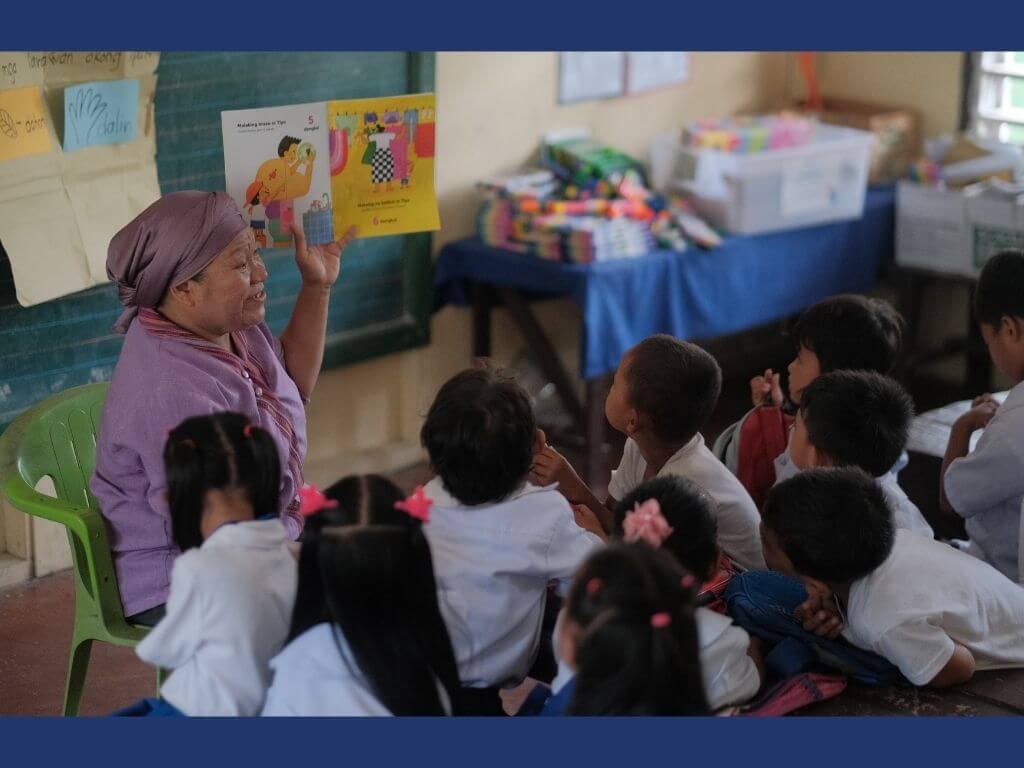
Ayala Foundation's CENTEX Digital Education pilot in Zambales increased average math scores from 27 percent to 56 percent after a 12-week program involving more than 1,600 public elementary learners. The initiative is being expanded to 60 schools, benefiting at least 22,500 students.
Meanwhile, ACEN has built more than seven gigawatts of attributable renewable energy capacity, while ACMobility continues expanding electric vehicles and charging infrastructure nationwide. Ayala said these platforms will be measured by how effectively they improve access, affordability, resilience, and outcomes while supporting businesses tied to national development. —Vanessa Hidalgo | Ed: Corrie S. Narisma