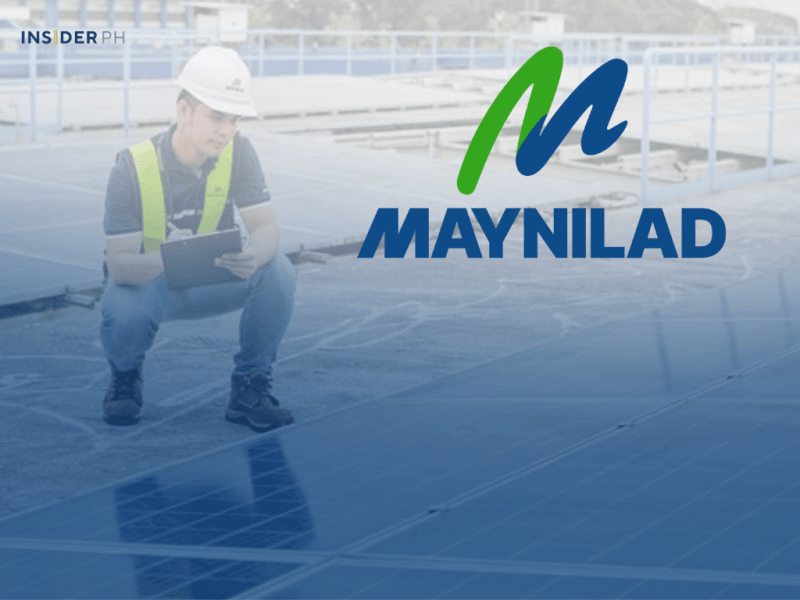
The Ayala-led energy company said its 948-megawatt solar portfolio includes the SanMar and Palauig projects, with about 450 MW already operating and the remainder targeted for completion by 2027.
“At ACEN, we believe renewable energy projects should create value far beyond the electricity they generate,” said Miguel de Jesus, managing director and COO for Philippine development and operations.
“In Zambales, we are not only building one of the country’s largest renewable energy hubs—we are investing in infrastructure, creating local jobs, supporting indigenous communities, and strengthening the country’s long-term energy security,” he added.

Batteries become the next phase
ACEN has also started building 1,660 megawatt-hours of battery storage, allowing excess daytime solar power to be stored and dispatched during evening peak demand, helping stabilize the grid as more renewable energy comes online.
Once fully completed, the projects are expected to generate about 1,400 gigawatt-hours of electricity a year, enough to supply around 340,000 households.
Jobs beyond electricity
About 80 percent of the construction workforce came from nearby communities, most of them members of the Ayta Indigenous Peoples, while ACEN also built roads, bridges and transmission infrastructure that will remain in use after construction.
Once fully operational, the projects are expected to avoid about 800,000 tonnes of carbon dioxide emissions annually, equivalent to removing around 175,000 gasoline-powered vehicles from the road.
—Edited by Miguel R. Camus