National Grid Corporation of the Philippines (NGCP) declared a red alert from 3 p.m. to 9 p.m. and yellow alerts from 1 p.m. to 3 p.m. and 9 p.m. to 11 p.m.
Peak demand reached 2,492 megawatts (MW), exceeding available capacity of 2,397 MW by 95 MW, according to an NGCP advisory.
The supply shortfall prompted NGCP to implement manual load dropping (MLD) to maintain the integrity of the Visayas grid, resulting in power interruptions in parts of Cebu, Mactan Island, Aklan, Antique, Bohol, Capiz, Guimaras, and Iloilo.
What happened
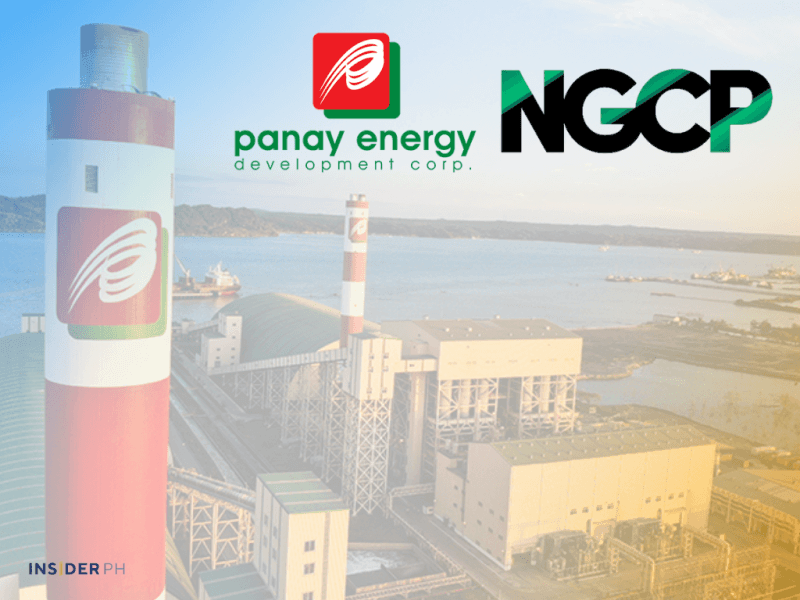
The alerts were triggered after the 138-kilovolt transmission line serving Iloilo-Panay Energy Development Corp. (PEDC) Unit 3 tripped at 1:32 p.m., isolating the generating unit from the Visayas grid.
Minutes later, the 135-MW Palm Concepcion Power Corp. (PCPC) coal-fired power plant in Concepcion, Iloilo, went on emergency shutdown at 2:06 p.m. due to a boiler tube leak.
NGCP said there was no estimate on when the PCPC unit would return to service as repairs were ongoing.
The grid operator also reported that 31 power plants remained on forced outage, while 14 others were operating at derated capacity, or below their rated generating capacity.
Fragile recovery
The Visayas grid had been free of alerts since July 1, when PEDC Unit 3 resumed operations and restored 150 MW of capacity after weeks of repairs.
Grid alerts had been recurring since May 12, when several major generating units went offline because of forced outages.
Although KEPCO-SPC Power Corp.'s Unit 1 returned to service on June 19, two 169-MW units of Therma Visayas Inc. (TVI) remain unavailable and are expected to resume operations in August.
Earlier, Amado Otarra III, NGCP's senior supervisor for System Visayas Operations, said the return of PEDC Unit 3 had improved the grid's outlook by increasing reserve capacity.
"But we cannot promise anything," Otarra told reporters during the Power 101 forum on July 2, noting that NGCP could not predict when generating units may suffer emergency shutdowns.
Unplanned outages
NGCP assistant vice president for public relations Cynthia Perez-Alabanza said unplanned plant outages remain the biggest threat to grid stability.
"But for so long as, for the remainder of the year, there are no other unplanned maintenance shutdowns of that magnitude, then we don't expect further alerts. But then again, that is for so long as there are no unforeseen maintenance shutdowns." —Ed: Corrie S. Narisma

Contributor