
The food delivery platform is expanding its support for micro, small, and medium enterprises (MSMEs) through a combination of accessible financing, digital marketing tools, government partnerships, and technology designed to help local entrepreneurs compete in an increasingly digital economy.
For a country where MSMEs account for more than 99 percent of registered businesses, the initiative reflects a broader effort to strengthen one of the economy's largest job creators.
Driving growth
While many Filipino entrepreneurs have successfully built loyal neighborhood customer bases, scaling their businesses often proves difficult.
Limited access to financing, rising operating costs, changing consumer preferences, and the challenge of gaining online visibility continue to hinder expansion for many small enterprises.
"At foodpanda, we believe that when local businesses grow, communities thrive," foodpanda Philippines director of growth and marketing Patricia Jacinto said in a statement.
"Our role extends beyond connecting merchants with customers. We want to empower entrepreneurs by giving them access to technology, marketing support, financing opportunities, and a platform that enables sustainable business growth," she said.
To address financing gaps, foodpanda introduced foodpanda Capital, a performance-based lending program that offers eligible merchant partners business loans with simplified requirements, transparent terms, and no collateral.
Unlike conventional bank loans, which often require extensive documentation and assets, the program allows entrepreneurs to secure funding for kitchen upgrades, additional inventory, or store expansion with fewer barriers.

Growing together
For LugawJuan, access to financing became critical as demand surged after the business was established during the pandemic.
What started as a modest lugawan has since expanded to six branches employing more than 30 people.
"As our business grew, so did our need for capital. foodpanda Capital gave us the support to sustain larger orders, expand our operations, and continue growing with confidence," said founder Ems Muñoz.
Beyond financing, foodpanda is helping merchants increase sales through platform-wide marketing campaigns that reduce the cost of customer acquisition.
These include fully funded promotional vouchers, free delivery incentives, and targeted discounts aimed at attracting first-time customers, rewarding loyal diners, and re-engaging previous users.
By shouldering the cost of many promotional campaigns, foodpanda allows partner merchants to benefit from increased visibility without sacrificing profitability.

Digital reach
Several homegrown businesses have already expanded far beyond their original customer base through online delivery.
Kuya Mel Kitchen, which began as a small food stall serving students near De La Salle University, has grown into a high-volume Filipino restaurant.
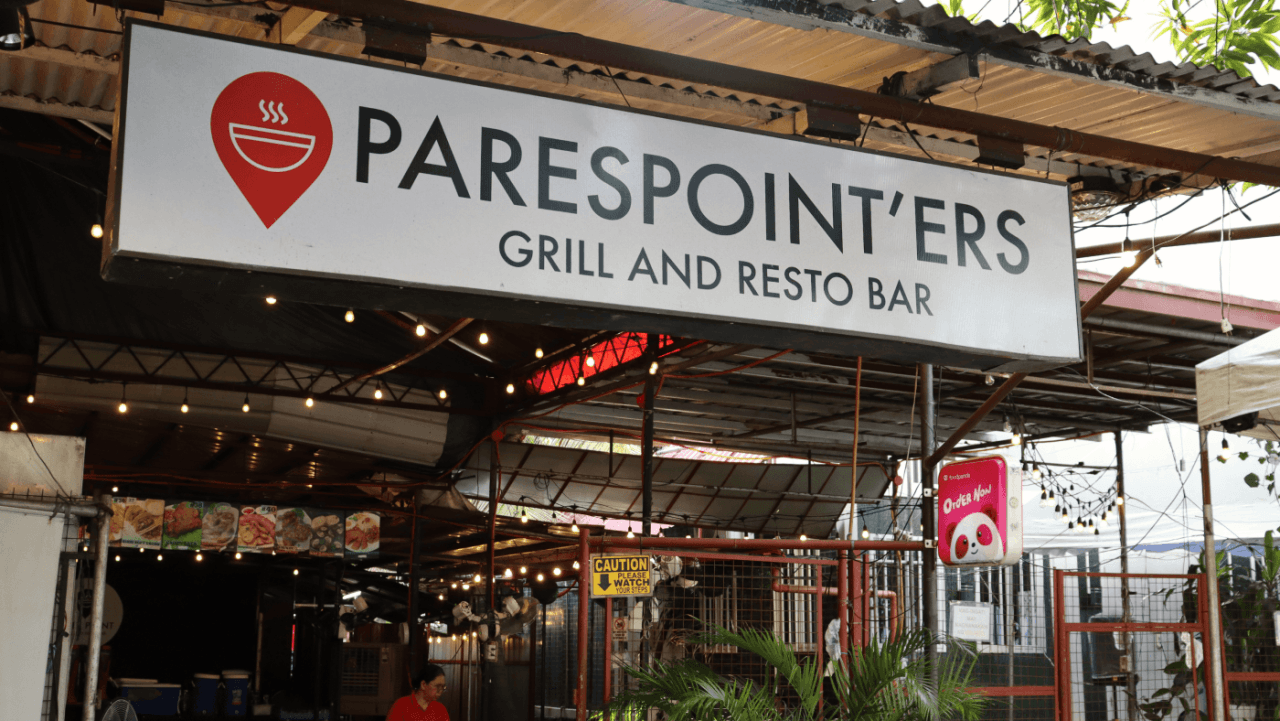
Pares Point Grill and Resto Bar followed a similar journey, evolving from a roadside cart along Chino Roces Avenue in Makati into a full-service restaurant.
"When we started, our goal was simply to serve good food to our immediate neighborhood. Partnering with foodpanda has fueled our expansion and helped us build sustainably on the foundation we started years ago," said owner Roda Anisor.
Beyond cities
foodpanda is also working with the Department of Trade and Industry (DTI) and local government units (LGUs) to help entrepreneurs outside major urban centers embrace digital commerce.
Through trade fairs, information caravans, and merchant onboarding activities, the company introduces traditional businesses to digital platforms and online consumers.
Its PandaMarket initiative has enabled regional brands—including Cebu's Jafar's Shawarma and Braddex Batchoy, General Santos City's Mamastill Atbp., Davao Famous, and Siargao's Spotted Pig—to reach customers beyond their hometowns while remaining rooted in their local communities.
As more Filipino consumers turn to digital platforms for everyday purchases, foodpanda said it will continue investing in technology, financing, and grassroots partnerships that help transform small neighborhood enterprises into resilient, scalable businesses capable of serving customers nationwide. —Ed: Corrie S. Narisma