Insider Spotlight
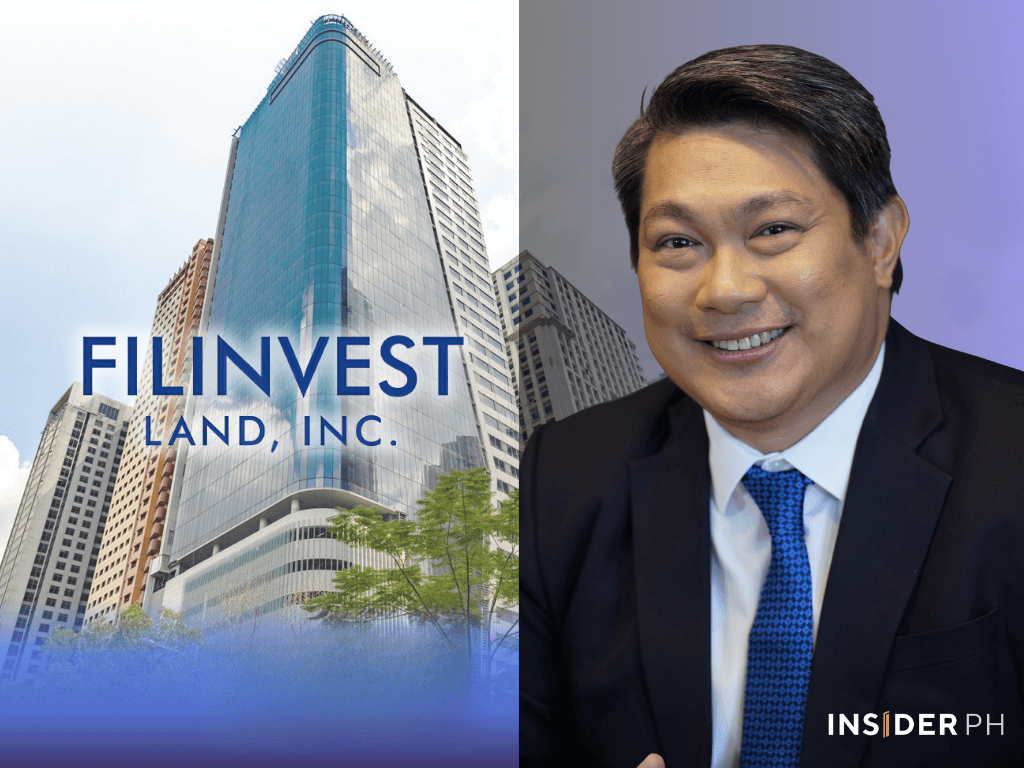
In a statement over the weekend, the Gotianun family-controlled company said its strategy will center on faster inventory turnover, stable leasing cash flows, and expansion in industrial estates, signaling a more defensive growth posture despite improving first quarter earnings.
Why it matters
Property developers continue to face uneven demand as elevated financing costs and cautious consumer spending weigh on pre-selling activity. FLI’s pivot toward completed housing inventory and leasing-heavy businesses reflects a broader industry shift toward cash-generating assets and balance sheet preservation.
What they’re saying
“These [first quarter of 2026] results reflect the strength of our long-term strategy—anchored on diversification, township development, and disciplined execution,” FLI president and CEO Tristan Las Marias said.
“While near-term market conditions remain selective, our portfolio continues to generate stable cash flows and positions us well for sustainable growth,” he added.
By the numbers
A key focus for the company this year is inventory reduction. FLI said it slashed unsold residential inventory by P4.1 billion during the first quarter, fueled by record ready-for-occupancy sales of P1.7 billion. March reservation sales climbed 62 percent year-on-year to P2.7 billion, led by projects in Mindanao, Central Luzon, and the National Capital Region.

The company also highlighted the resilience of its recurring income portfolio.
Mall leasing revenues increased 17 percent to P744 million as occupancy reached 80 percent, while office leasing revenues hit P1.26 billion on the back of a 100 percent renewal rate for first quarter lease expiries. FLI likewise cited robust interest in industrial lots at Filinvest Innovation Park-New Clark City, signaling another potential growth driver.
First quarter consolidated revenues rose 4.5 percent to P6.31 billion, while net income after tax also grew 4.5 percent to P1.1 billion.
The bottom line
FLI appears to be positioning itself for a prolonged period of selective demand by prioritizing liquidity, recurring revenues, and completed inventory sales over aggressive expansion in speculative residential launches.
— Edited by Daxim L. Lucas