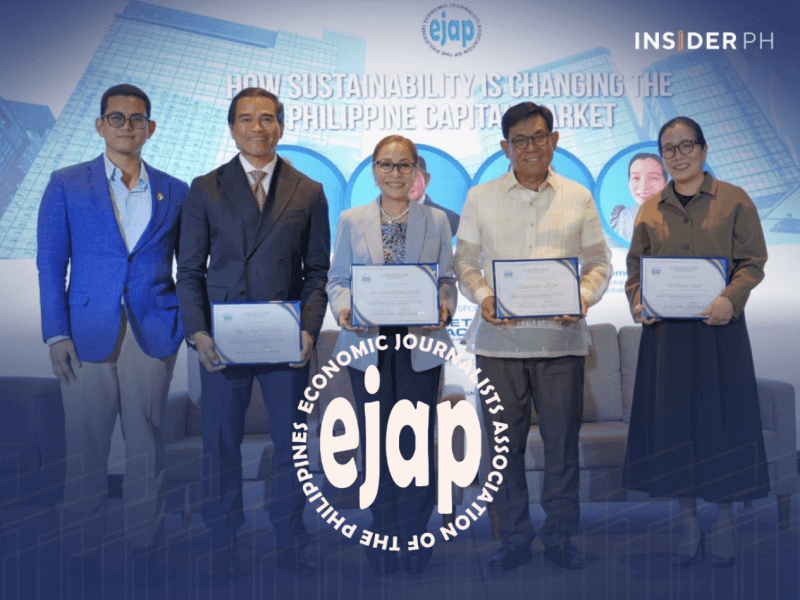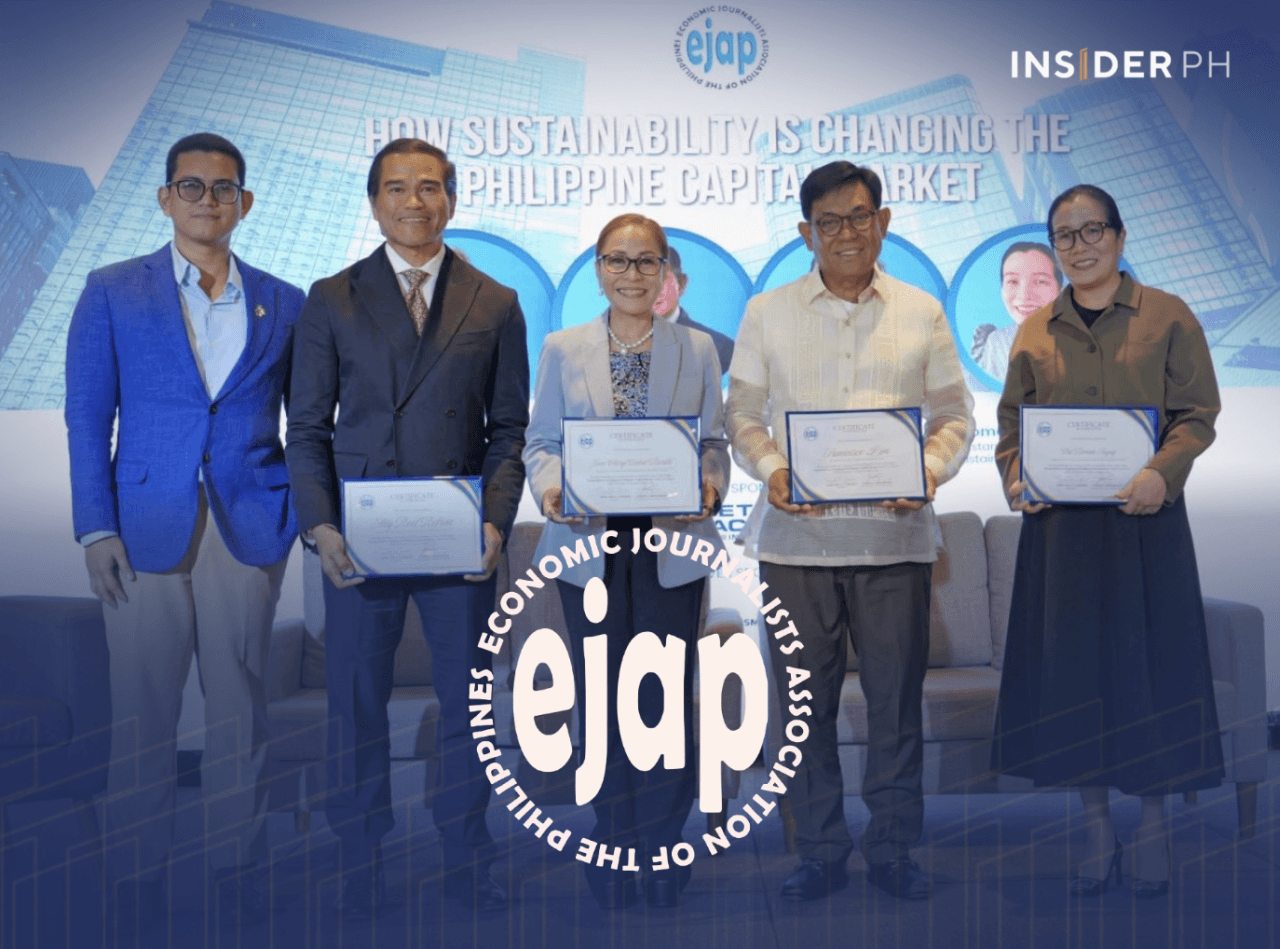
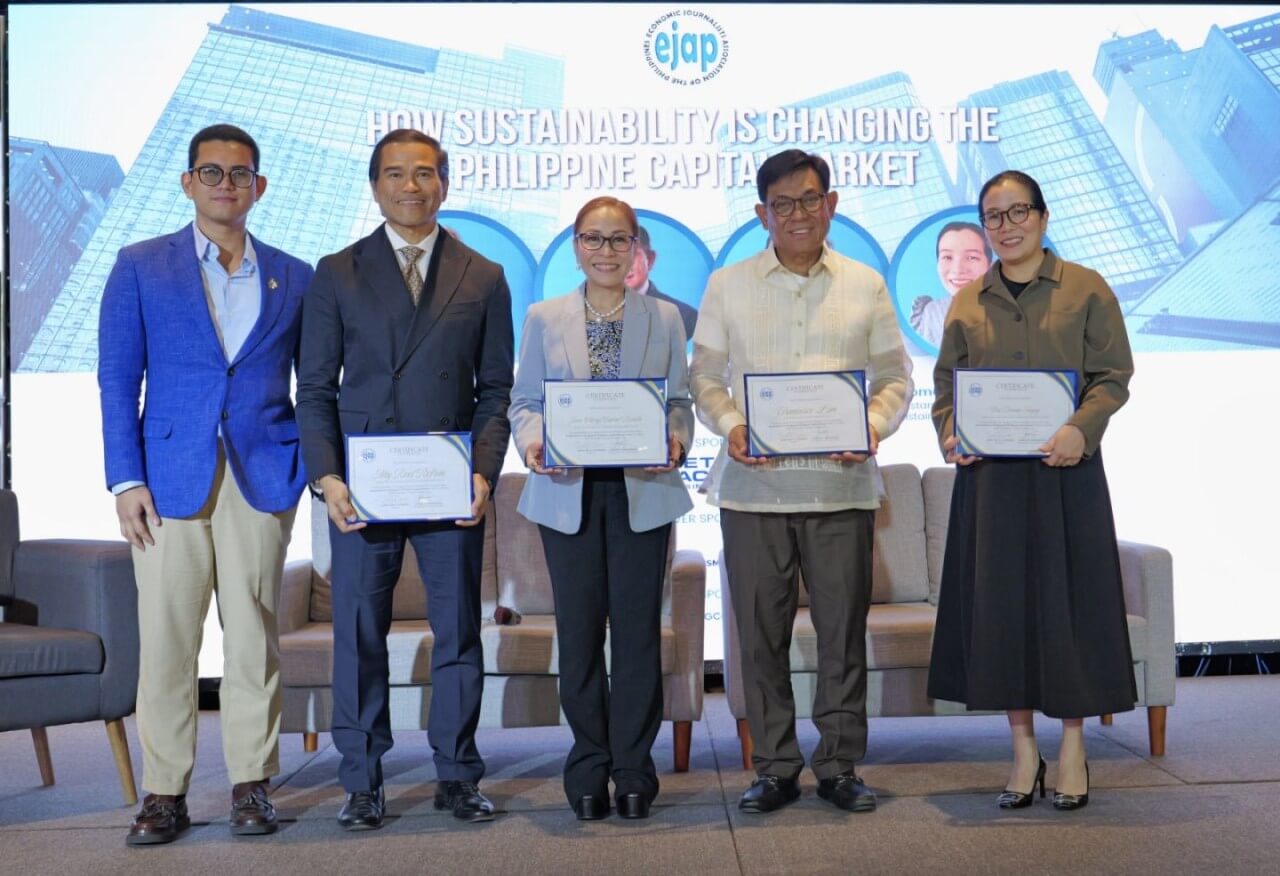
At the inaugural Economic Journalists Association of the Philippines (EJAP) Sustainability Forum, organized by the EJAP board led by president Ted Cordero, regulators and business leaders said ESG is now a clearer driver of capital allocation, not just a reporting exercise.
The forum, held at the Securities and Exchange Commission headquarters in Makati City, highlighted how disclosures are becoming measurable, comparable, and decision-useful.
“Sustainability claims must not run ahead of fact. They must be grounded, measured, and governed with discipline. Anything less does not just weaken disclosure — it weakens the market,” said SEC chair Francis Ed. Lim.
He added that disclosure can no longer function as an aspirational narrative but must be embedded in governance and strategy.
The SEC is enforcing this through Memorandum Circular No. 16 issued in 2025, adopting ISSB-aligned standards under PFRS S1 and S2 with phased rollout through 2029, starting with listed firms above P50 billion market cap in 2026.
“Lasting reform is not issued. It is built,” Lim said.
Bangko Sentral ng Pilipinas assistant governor Pia Roman Tayag said banks are already aligning, with 70 percent integrating sustainability into strategy and 90 percent open to financing climate-linked sectors such as renewable energy and resilient infrastructure.
“For us at the BSP, when we issue regulations and when banks see these regulations, we all understand that compliance is not the end,” she said. “It is to really fully integrate this — that ESG is sound for their business.”
Metro Pacific chief finance officer and chief sustainability officer June Cheryl Cabal-Revilla said improved sustainability reporting is already translating into investor gains, citing a 35 percent rise in Meralco’s share price and a 30 percent increase in Maynilad since its IPO.
Philippine Stock Exchange chief operations officer Roel Refran said execution inside firms will determine who benefits, adding that sustainability must be embedded into decision-making to ensure long-term resilience for businesses and markets.
—Edited by Miguel R. Camus