Insider Spotlight
RCBC is highlighting that risk for home and auto loan borrowers as typhoons, flooding, fires and other calamities threaten assets that households may still be paying for years after purchase.
Why it matters
Damage to a financed property can leave borrowers facing two significant expenses at once: the cost of repairing or replacing the asset and monthly payments on the outstanding loan.
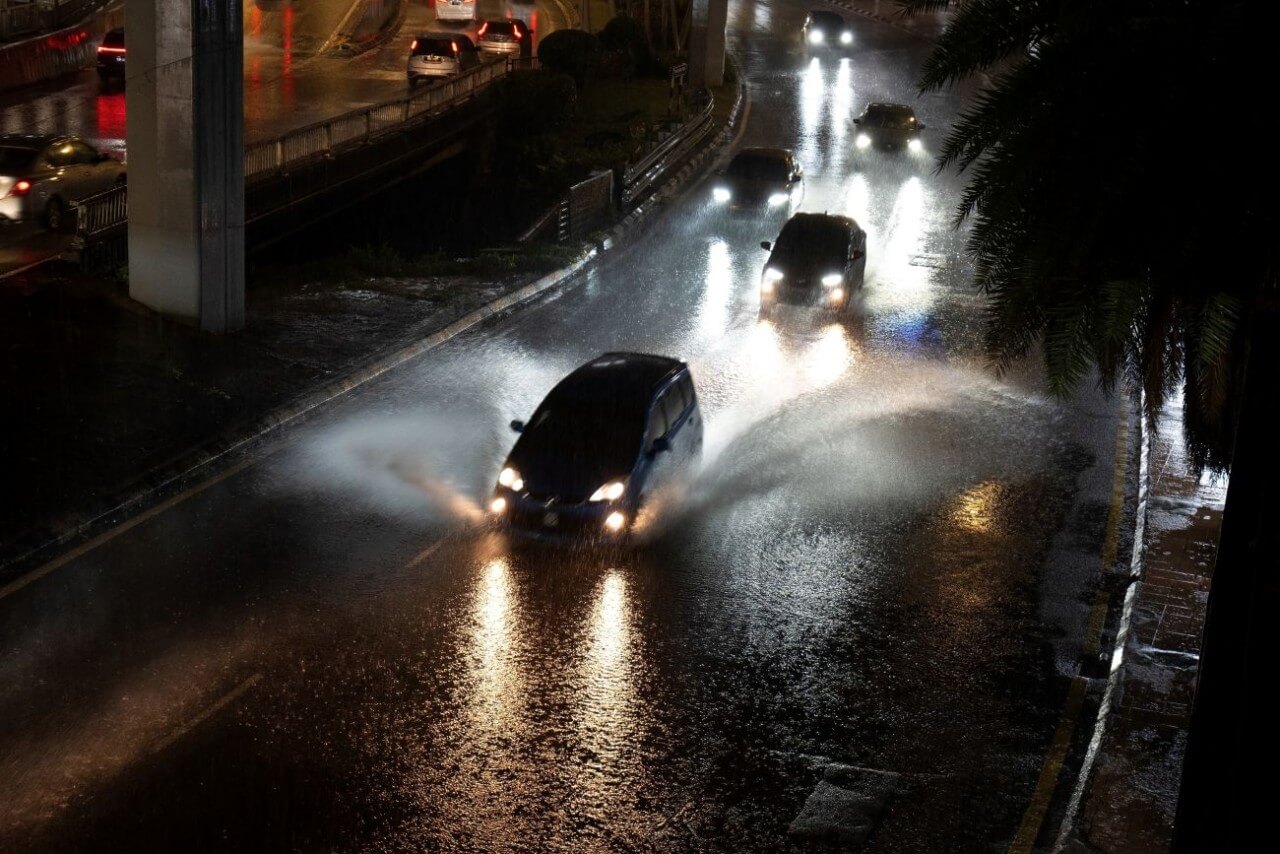
A badly flooded vehicle, for example, can require substantial repairs even as its auto loan continues. The same problem can be far larger for homeowners when typhoons, floods or fires cause extensive property damage.
RCBC said in a company release that comprehensive insurance can absorb much of the financial impact of such events, reducing the need for households to tap emergency savings or strain monthly cash flow to fund repairs.
What’s covered
Comprehensive home insurance can cover repair or rebuilding costs arising from fires, typhoons, floods and other natural calamities. Some policies can also cover the contents of an insured home, providing additional protection when damage is extensive.
Comprehensive auto insurance, meanwhile, can cover repair costs from accidents as well as losses from theft and natural calamities. Third-party liability protection can also cover damage or injury caused to other people or their property.
The bigger picture
RCBC provides home and auto loan borrowers access to non-life insurance through its partnership with Malayan Insurance Co. Inc., linking insurance protection with assets financed through the bank.
Malayan Insurance offers coverage for fire, natural calamities, theft, vehicular accidents and other risks faced by Filipino property and vehicle owners.
For borrowers, the value of that protection becomes clearest after disaster strikes. A damaged house or vehicle can lose much of its usefulness or value overnight, but the debt used to finance it remains.
Insurance effectively protects both sides of that equation, helping borrowers restore the asset without turning an already costly disaster into a longer-term hit to household finances. — Princess Daisy C. Ominga| Ed: Corrie S. Narisma