
Life insurers also paid P69.2 billion in benefits to policyholders and beneficiaries during the six-month period, up 19.5 percent from a year earlier, the Philippine Life Insurance Association (PLIA) said in a statement.
Wider coverage
PLIA president Sjoerd Smeets said the industry's growth reflected increasing awareness among Filipino families of the importance of insurance, savings and long-term financial security.
“More importantly, the P69.2 billion paid in benefits during the first half demonstrates how life insurance delivers on its promise when customers need it most,” Smeets said.
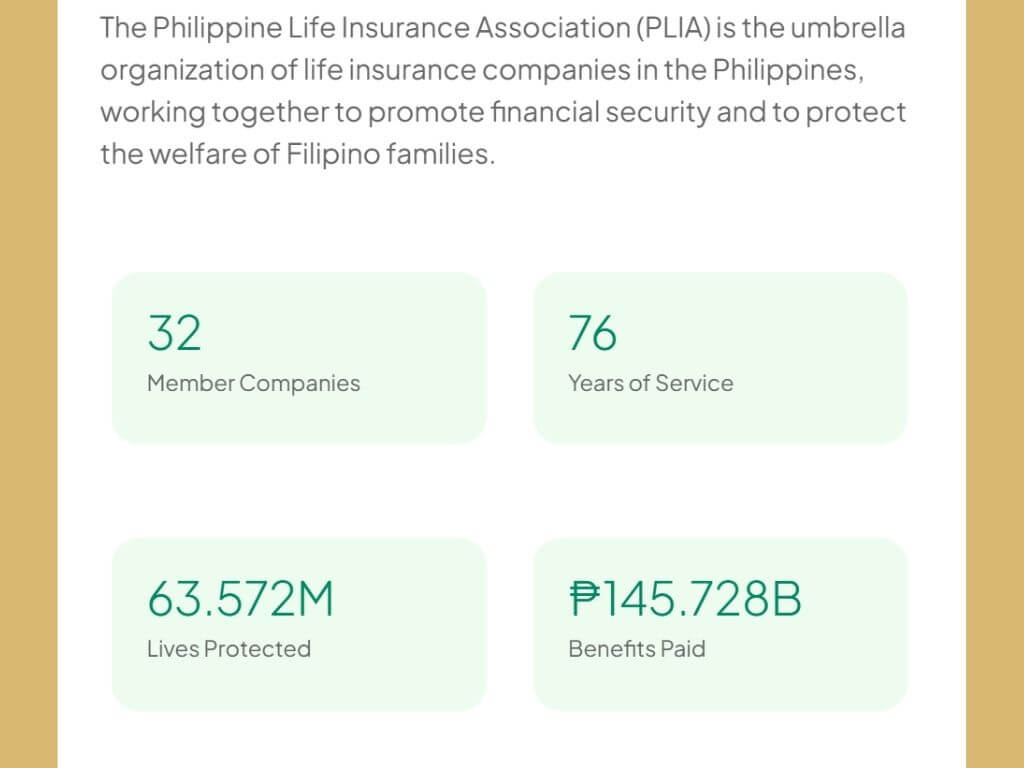
The industry now provides some form of insurance coverage to about 63.5 million Filipinos through individual and group insurance programs, equivalent to around 55 percent of the country's population, PLIA said.
Life insurers operate 857 branches nationwide, supported by more than 228,000 licensed financial advisers and about 18,400 employees.
P2-trillion assets
Beyond providing financial protection, the industry continues to serve as a major institutional investor, channeling funds into investments that can support economic growth and capital market development.
Invested assets exceeded P2 trillion during the first half, according to PLIA.
The association said the industry's expanding asset base allows insurers to deploy long-term capital into investments supporting infrastructure development, economic activity and financial market stability.
Insurance penetration, or total insurance premiums as a percentage of gross domestic product, also improved to 1.96 percent from 1.79 percent a year earlier.
PLIA said the increase indicated growing use of insurance products as Filipino households seek greater protection against financial risks.
What's next
Life insurers plan to continue expanding both traditional and digital distribution channels as they seek to reach more Filipinos.
The industry is also looking to broaden access to protection, health, savings and investment products while strengthening financial literacy initiatives.
PLIA said the sector would continue pushing for greater financial inclusion as consumers increasingly look for ways to build savings and protect their families against unexpected financial shocks. —Ed: Corrie S. Narisma