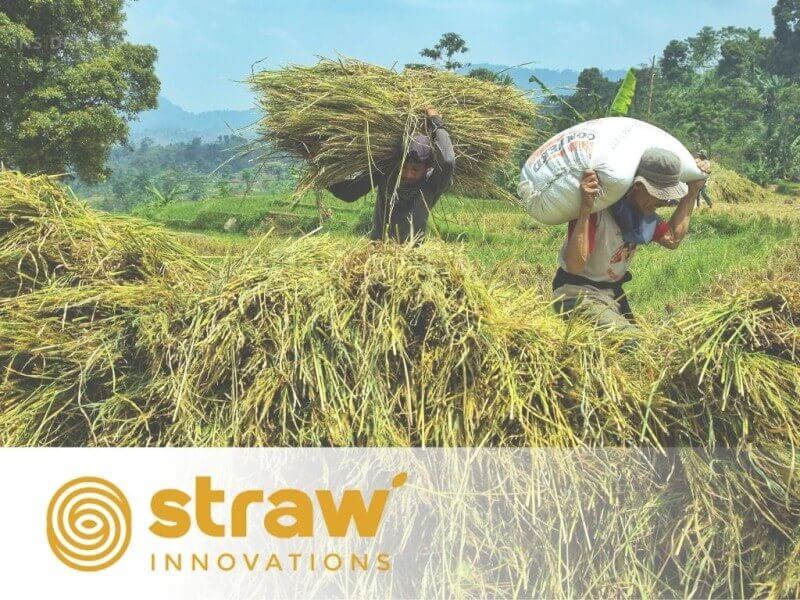
The shift reflects a broader effort to turn agricultural byproducts such as pineapple leaves, banana pseudostems, coconut husks, bamboo, water hyacinth and other locally available materials into higher-value materials while reducing reliance on synthetic and petroleum-based alternatives.
Department of Science and Technology–Philippine Textile Research Institute (DOST-PTRI) director Dr. Julius Leaño Jr. describes nonwoven textiles as a by-product of direct bonding or interlocking fibers through mechanical, thermal or chemical processes, which enables faster production and broader industrial applications.
The country continues to rely heavily on imported raw materials. According to the Philippine Statistics Authority, raw materials and intermediate goods accounted for 36.1 percent of the country's total imports in 2025, underscoring the country's dependence on imported industrial inputs.
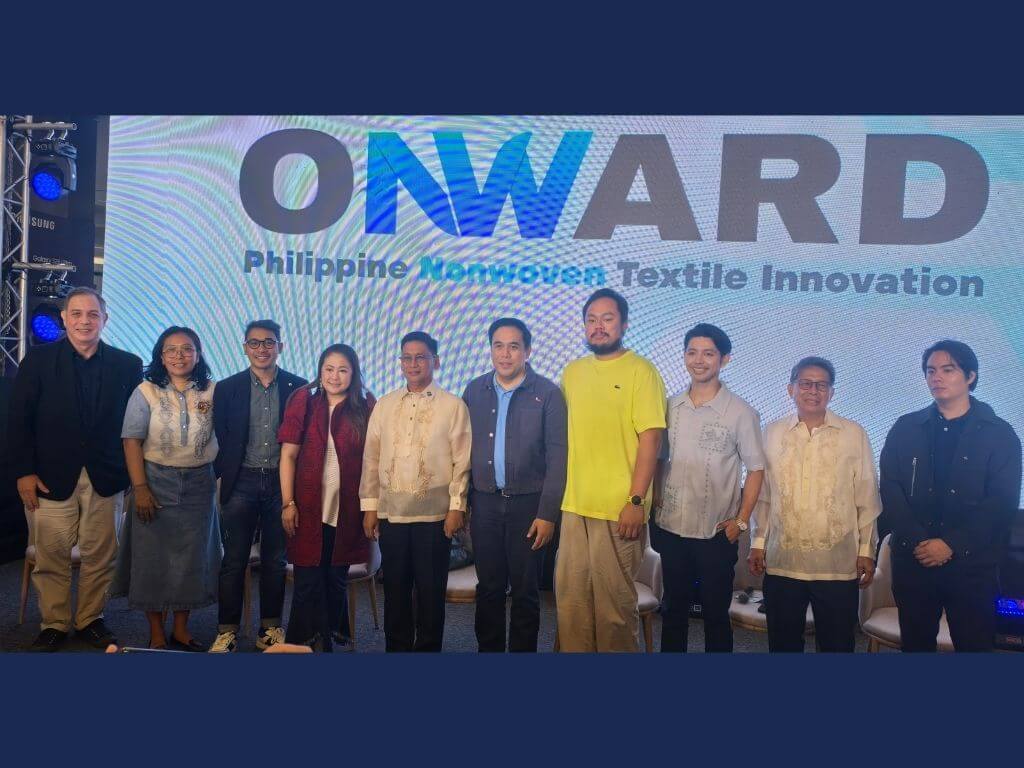
At a recent discussion hosted by the DOST-PTRI, architects, engineers, designers and manufacturers shared how nonwoven materials are being developed into high-value products for industrial sectors.
Building homes, vehicles, and consumer products
One application highlighted during the discussion was the use of natural fiber-based nonwoven materials to improve thermal comfort in affordable housing.
Gabriel Pimentel from Base Bahay Foundation said that nonwoven materials can help regulate indoor temperatures in social housing projects. He added that the organization also uses geotextiles for soil stabilization and banana fiber-based materials as moisture barriers.
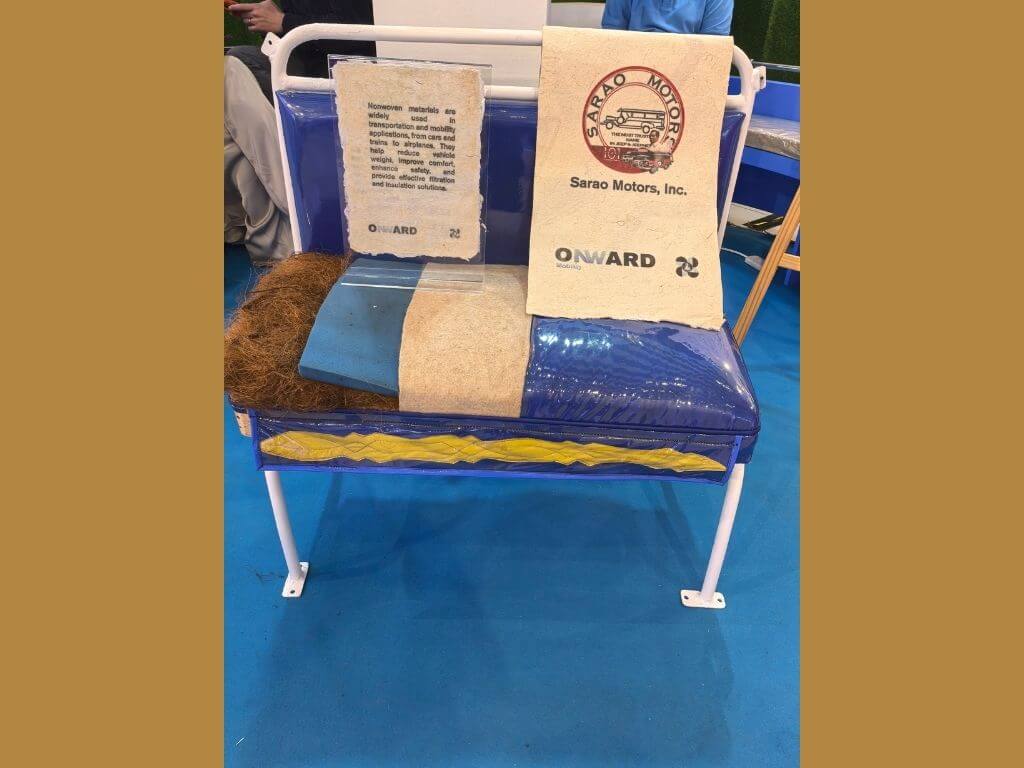
For Sarao Motors, the country's iconic jeepney could serve as a platform for natural fiber innovation. The company is testing nonwoven materials for engine filtration systems and interior insulation to help reduce heat and noise inside vehicles.
It is also exploring the use of banana fiber underlayers for seats as a biodegradable alternative to synthetic materials that take much longer to decompose.
"We're trying to implement these nonwoven fabrics for the interior, for insulation and for the roofing. [We use it to minimize] the heat and also for the sound insulation," Leonard John Sarao, operations supervisor at Sarao Motors Inc.
He also said sourcing the materials locally strengthens domestic manufacturing. “It is a step further to make the jeepney truly Filipino,” he added.
From industrial materials to fashion
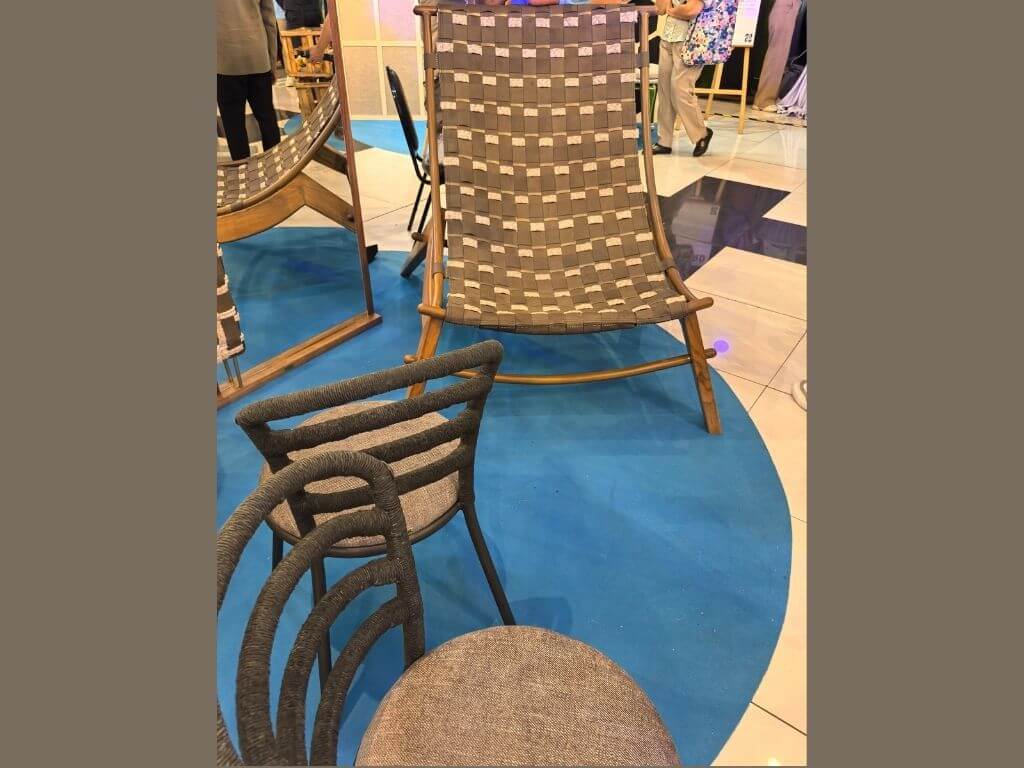
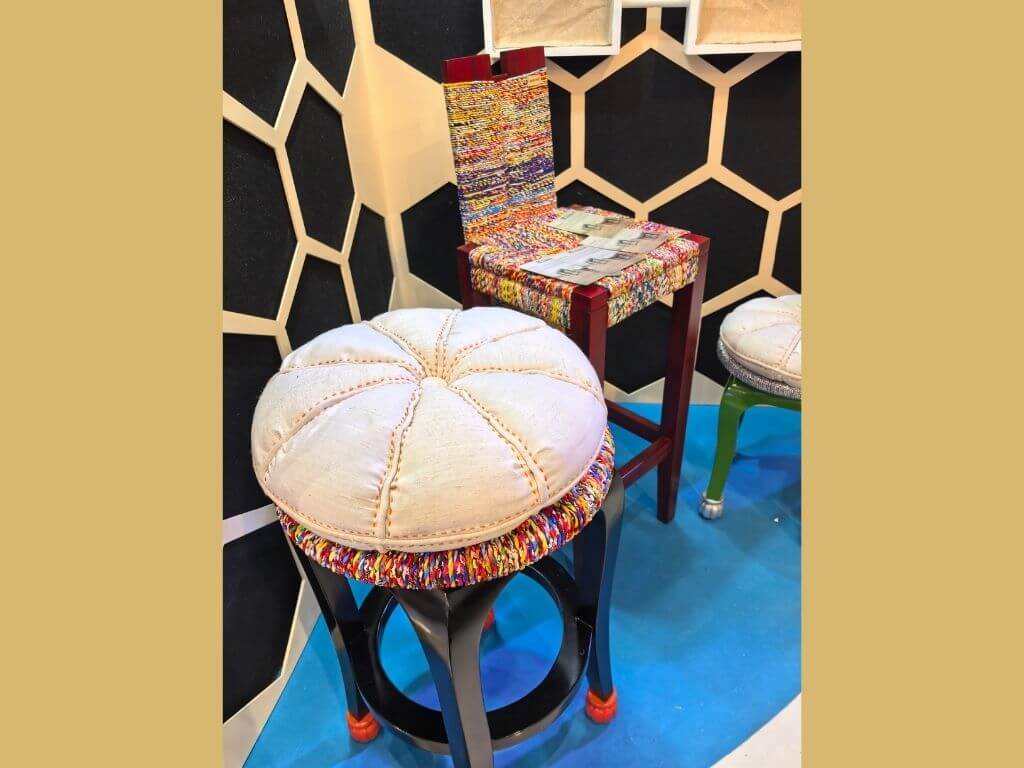
Furniture makers demonstrated how banana fiber used as nonwoven materials can be braided into ropes and woven into decorative pieces.
Fashion accessory makers have transformed the same fibers into bags, jewelry and protective sleeves for electronic devices.
In the footwear industry, natural fiber-based nonwoven materials are already making their way into commercial products. LAKAT sustainable sneakers, for instance, use agricultural fibers as cushioning materials.
"We're actually one of the first adopters of the nonwoven fabric derived from natural fibers. It's not only comfortable and very breathable, it also has antibacterial properties,” said Michael Claparols, CEO of Creative Definitions.
He also added that his company works closely with local weaving communities to develop textiles that combine cultural heritage and commercially viable products.
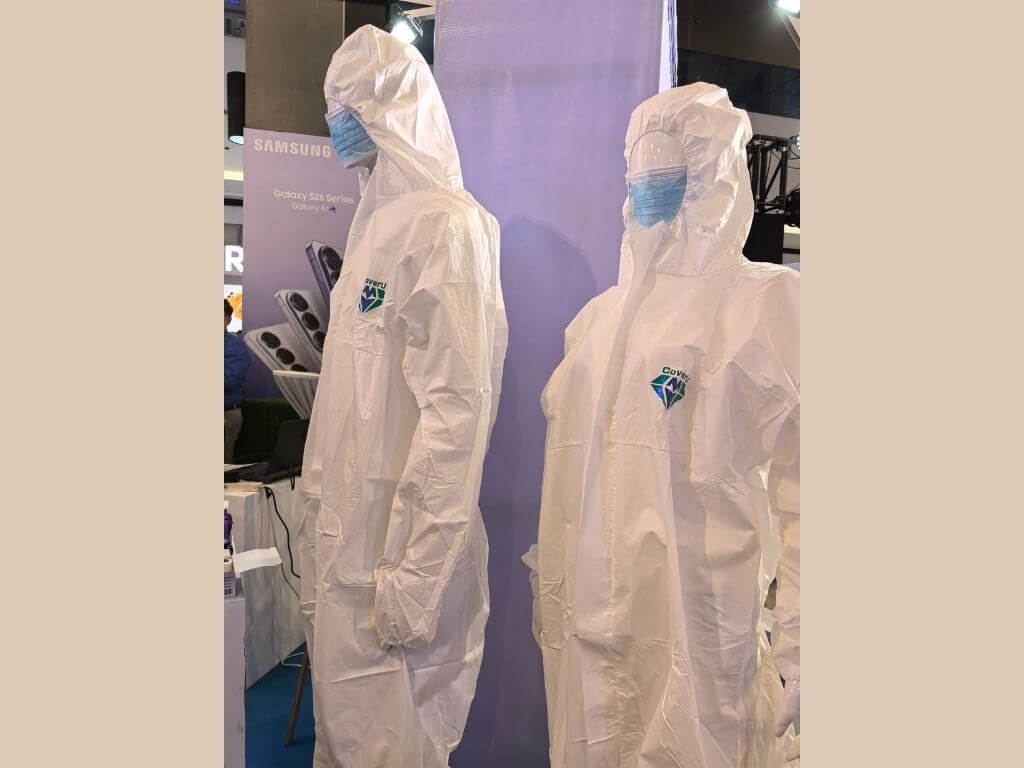
Fiber-based nonwoven materials also play a key role in healthcare and personal wellness products. Meltblown nonwoven technology is used to manufacture surgical masks, gowns, personal protective equipment and wound dressings.
Scaling up for commercialization
While many of these technologies have moved beyond the research stage, speakers at the discussion agreed that commercialization remains the biggest hurdle.
In response, Leaño added that the supply chain for nonwoven materials is already in place. The next challenge, he said, is to connect producers with industries that can use them such as furniture and apparel.
The production costs, he said, are expected to decline as manufacturing scales up. According to him, the sustainability value of using agricultural waste and by-products gives nonwoven materials a competitive advantage.
Yet he added that nonwoven materials must undergo rigorous quality testing to ensure they meet industry standards. Sustainability claims should also be backed by scientific data to avoid greenwashing, he said.
Supporting the next phase of innovation
To support wider adoption, DOST-PTRI also launched Onward: Philippine Nonwoven Textile Innovation, which showcases how Philippine textiles are diversifying into scalable solutions for environmental and climate challenges.
In addition, Leaño also announced that the country’s first nonwoven innovation center will be inaugurated in January.
The Taguig facility will house equipment for natural fiber processing, web-forming and bonding technologies, as well as research and development laboratories to support product development and commercialization. —Ed: Corrie S. Narisma

Content Producer