Insider Spotlight
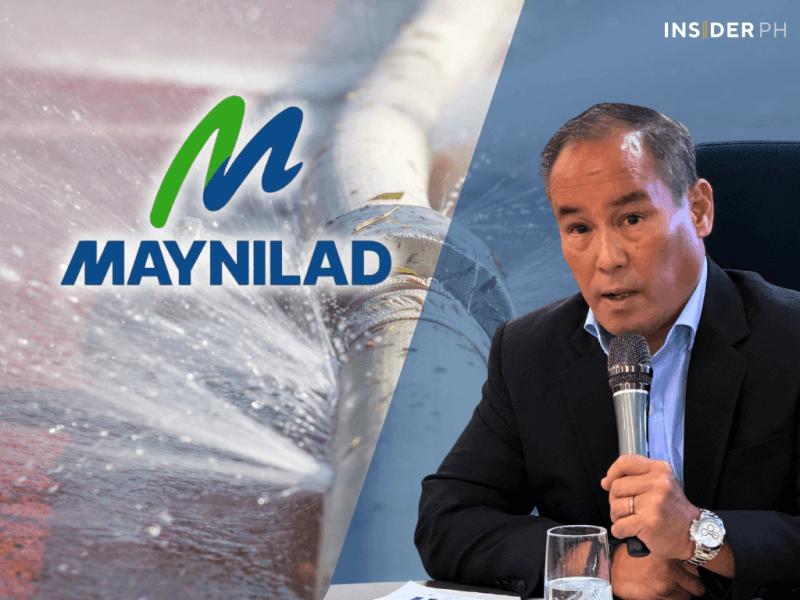
The west zone concessionaire reduced non-revenue water to 29.7 percent as of end-June from 35.25 percent a year earlier, allowing more of the water it produced to generate revenue.
It also raised capital spending by 18.9 percent to P12.89 billion as it expanded water and wastewater infrastructure and strengthened the reliability of its network.
Maynilad is backed by Manuel V. Pangilinan-led Metro Pacific Investments, Consunji-led DMCI Holdings and Japan’s Marubeni.
Management’s view
“Our first-half performance reflects continued progress in improving service delivery, enhancing network efficiency, and expanding wastewater and sanitation coverage. These operational gains, supported by sustained capital investments, contributed to the company’s financial results,” said Maynilad president and CEO Ramoncito Fernandez.
“We remain focused on strengthening supply and network resilience and ensuring that our investments translate into better service and long-term value for our customers and stakeholders,” he added.

Why efficiency matters
Maynilad’s efficiency gains come as Metro Manila’s main water source faces renewed pressure from a strengthening El Niño.
The state-run Philippine Atmospheric, Geophysical and Astronomical Services Administration has warned that Angat Dam, which supplies about 90 percent of the capital’s water, has fallen to critically low levels, making every reduction in water losses more valuable.
Maynilad shares, included in the 30-member PSE Index on Monday, have been under pressure in recent weeks partly due to water supply concerns.
The stock rebounded on Monday after touching an intraday low of P17.64 each to close at P19.50, up 3.72 percent.
Growth continues
The operational improvements helped lift first-half revenue by 4.1 percent to P19.11 billion as billed water volume rose 2.9 percent to 280.8 million cubic meters and customer connections increased 1.6 percent to 1.59 million.
EBITDA increased 7.5 percent to P13.70 billion, improving the company’s EBITDA margin to 71.7 percent from 69.4 percent as lower water losses and cost-control measures boosted operating efficiency.
Maynilad also expanded wastewater coverage to 88 percent from 85 percent a year earlier while improving service coverage to 94.99 percent and maintaining 24-hour water availability at minimum pressure for 92.1 percent of customers.
—Edited by Miguel R. Camus