The Pork Producers Federation of the Philippines, Inc. (ProPork) described Executive Order No. 116 as disconnected from the realities faced by the local swine industry and called on President Ferdinand Marcos Jr. to revoke the measure.
In a statement on May 25, ProPork said it is not against importation, but flooding the market while the local swine sector is still recovering from the impact of African Swine Fever (ASF) is not fair competition.
“It is a death sentence for Filipino hog farmers,” it stressed.
The federation warned that, if left unchecked, the policy could reverse the gains made by the industry after years of battling ASF. It added that the move could bankrupt smallholder farmers and leave the country even more dependent on imports.
ProPork is an umbrella organization of independent hog farmers and cooperatives composed of about 40 member organizations nationwide. The group advocates sustainable, competitive, and fair policies for the swine industry.
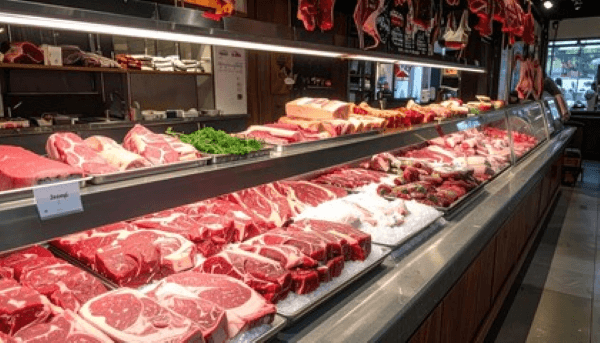
Affordable pork
Under EO 116, signed on May 19, the MAV for pork in 2026 will increase from 54,210 metric tons (MT) to 204,210 MT to help ensure sufficient supply and keep pork and processed meat products affordable.
The measure forms part of the UPLIFT (Unified Package for Livelihoods, Industry, Food, and Transport) program under EO 110, which aims to coordinate government efforts to protect the economy and support affected sectors amid the ongoing Middle East crisis.
The decision to increase the pork MAV by 150,000 MT yearly for two years was based on the recommendation of the MAV Management Committee (MMC), which cited the need to stabilize supply and prices.
“There is an urgent need to address the existing supply gap in pork, ensure adequate and affordable food for consumers, and mitigate inflationary pressures,” EO 116 stated.
The order also directed the MMC to ensure fair allocation of pork import volumes, including 30,000 MT for processors and 120,000 MT for Food Terminal Inc. under the Kadiwa ng Pangulo Program.
‘Unnecessary’
ProPork, however, maintained there was no need to issue EO 116, saying both local and imported pork supplies remain adequate.
“Increasing the MAV is unnecessary and counterproductive — it will only undermine local production,” said Eric Harina, president of ProPork, adding that the executive order reflects a disturbing disconnect from the true condition of the industry.
Harina argued that, contrary to Philippine Statistics Authority data suggesting declining supply, the hog raising sector has already been recovering from the ASF outbreak that devastated the industry in recent years.
‘Old formula, same failure’
The group pointed out that since 2020, the government has repeatedly relied on increased imports and lower tariffs to reduce pork retail prices, but the strategy has consistently failed.
“Instead of lowering prices, it has primarily benefited traders and importers while killing local producers,” the federation said.
ProPork called for genuine consultation with hog raisers and cooperatives before implementing trade policy decisions. It also urged the government to prioritize supply chain modernization instead of further liberalizing importation.
Inefficient supply chain
The group said the main reason behind high pork prices is the country’s inefficient supply chain structure. Despite low farmgate prices for local pork and cheaper imported meat, retail prices remain elevated.
“This clearly indicates a need to improve our underdeveloped supply and value chain, not merely flood the market with more imports,” ProPork stressed.
The federation also criticized the administration for allegedly bypassing proper procedures.
According to the group, the decision was made without meaningful stakeholder consultations and did not pass through the MAV Council, the body mandated to issue a resolution to the MMC before recommendations are elevated to the President. —Ed: Corrie S. Narisma

Contributor