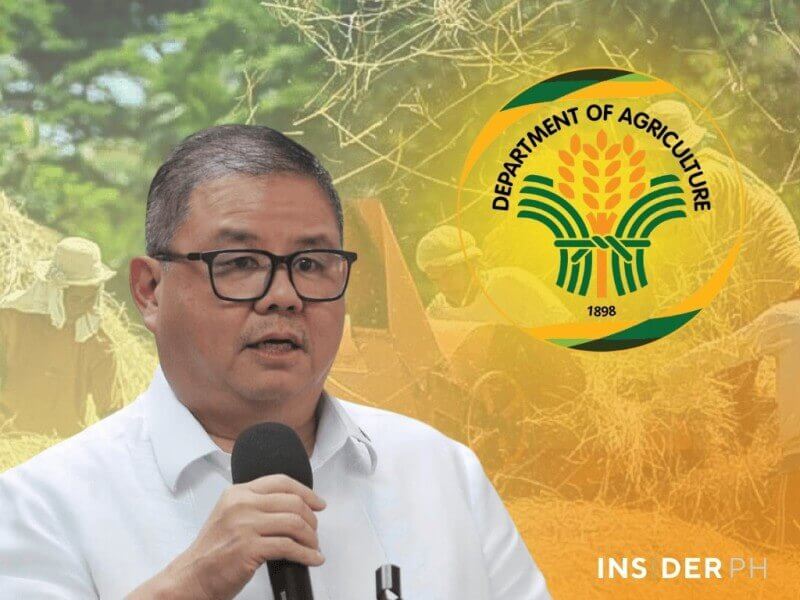
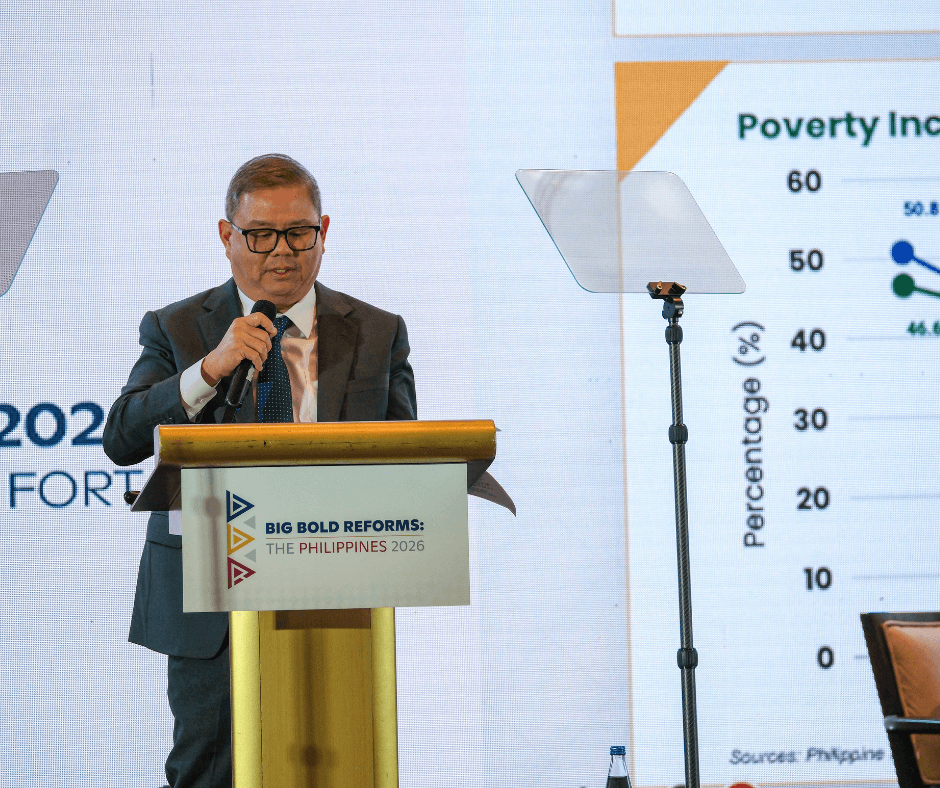
Speaking at the Big Bold Reform forum organized by the Department of Finance (DoF) and the Bangko Sentral ng Pilipinas (BSP), Agriculture Secretary Francisco P. Tiu Laurel Jr. said persistent problems—high rural poverty, uneven productivity, and recurring food supply shocks—underscore the need for a sharper, more results-driven approach.
“Despite sustained public spending, outcomes on the ground remain fixed,” Tiu Laurel said. “Productivity gains have been uneven, farmer incomes remain low, and food supply shocks continue to affect consumers.”
From spending to impact
For the Marcos administration, the reform push is designed to deliver tangible outcomes: farmers and fisherfolk earning just incomes, a more resilient food system, and an agriculture sector that contributes more meaningfully to economic growth while attracting private capital.
Tiu Laurel stressed that the issue is not a lack of government effort, but how resources are deployed. “The challenge is not a lack of effort, but the need for better targeting, stronger governance, and more coordinated execution,” he said.
The DA is pivoting from fragmented, input-focused interventions toward a coherent, impact-oriented reform agenda anchored on a unified framework.
Reform pillars
At the core of the strategy are seven key initiatives. The first is sharper targeting of public investments toward areas with high poverty incidence, strong production potential, and low productivity.
“Basically, where the returns to interventions are the highest—parang negosyo,” Tiu Laurel said, signaling a more commercial mindset in agriculture spending.
The second pillar moves the sector away from a traditionally rice-centric policy approach. While rice remains critical, the DA will pursue a more balanced commodity strategy by expanding support for fisheries, sugar, coconut, corn, livestock, and high-value crops to diversify income streams and reduce exposure to shocks.
Governance overhaul
Governance reforms form another cornerstone of the agenda. The DA is institutionalizing transparency, accountability, and participatory governance across the entire project cycle.
“Effective policies are not only about what we implement, but how transparently and accountably we do so,” Tiu Laurel said, citing open access to program data and structured feedback mechanisms for farmers and fisherfolk.
The department is also strengthening co-investment with local governments through enhanced province-led extension systems and improved data management using updated farmer and fisher registries.
Tiu Laurel said the DA Command Center—described as a first for the agency—has been completed and will be operational next month.
Fixing the value chain
To address what Tiu Laurel called the “missing middle” of agriculture, the DA is investing heavily in logistics and post-harvest infrastructure.
These include P33 billion for farm-to-market roads, cold storage expansion, agricultural food hubs, deep-water ports, and post-harvest facilities.
“This represents a deliberate shift away from a production-only mindset toward a holistic value chain approach,” he said.
Backed by a results matrix under the Philippine Development Plan and reflected in the proposed 2026 budget, the reforms aim to translate policy into measurable outcomes.
For the Marcos administration, success would mean agriculture evolving from a social protection concern into a competitive, investment-ready sector that delivers income, resilience, and long-term growth. —Ed: Corrie S. Narisma