
Insider Spotlight
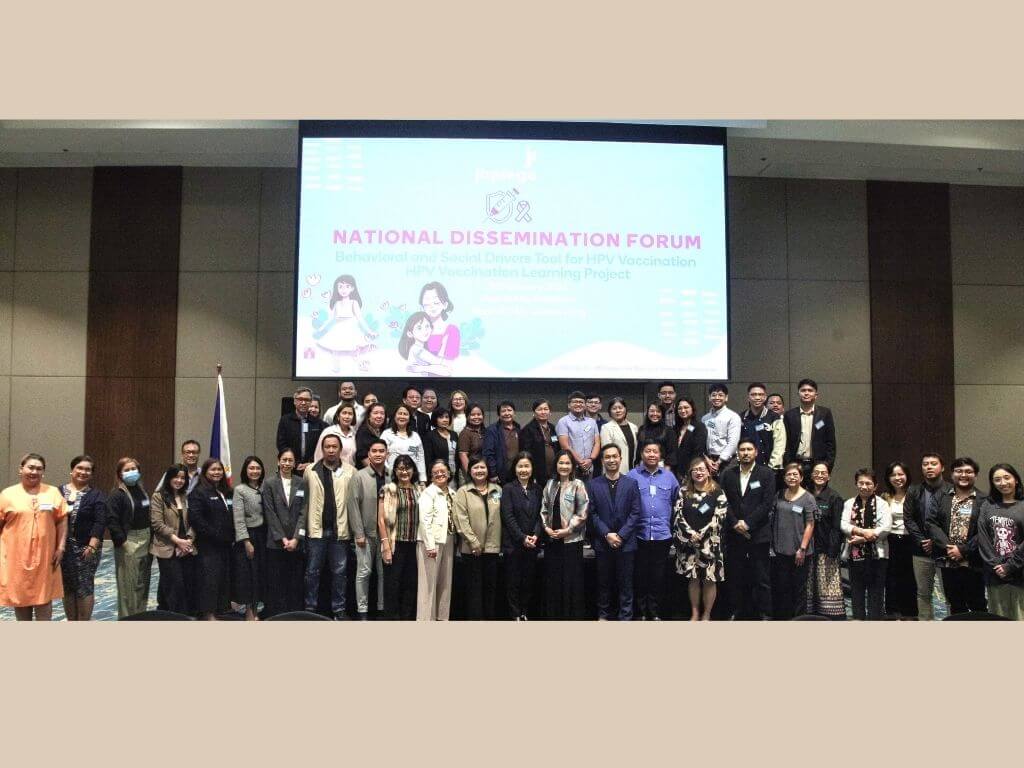
The US Centers for Disease Control and Prevention (CDC) and Jhpiego, an affiliate of Johns Hopkins University, recently convened a national forum in Quezon City to present findings from the Philippine field testing and validation of the Behavioral and Social Drivers (BeSD) Tool for HPV vaccination.
The initiative was implemented under the Enhanced Global Health Security project with support from the Department of Health’s Health Promotion Bureau and the National Immunization Program, in partnership with the Department of Education’s Bureau of Learner Support Services.
Why it matters
Cervical cancer remains one of the most preventable yet persistent health threats for women, and HPV vaccination is a key defense.
The BeSD Tool aims to identify the behavioral and social factors that influence vaccine decisions among families and communities.
"The study revealed critical behavioral and social factors influencing HPV vaccination decisions. While awareness and motivation were high, gaps in vaccine uptake persisted due to practical barriers such as parent availability, stock-outs, absenteeism, and occasional service-quality challenges. These insights will guide more targeted, evidence-informed strategies to improve vaccination coverage," Dr. Zaldy Collado, project lead of the BeSD Tool at De La Salle University–Social Development Research Center, said in a press statement on March 9, 2026.
The big picture
The BeSD Tool was originally developed in 2022 by a global working group on vaccination behavior that included CDC. In 2024, Jhpiego and CDC partnered to adapt and validate the framework for the Philippine HPV vaccination program.
Field testing covered several locations including Ilocos Norte, Abra, Santiago City in Cagayan Valley, and Navotas City in Metro Manila. Surveys and interviews involved parents, teachers, community health workers, and adolescent girls.
Findings showed high awareness of the vaccine and generally positive attitudes toward immunization. Schools played a critical role in organizing vaccination activities, while community health workers helped with reminders and coordination with families.
What they're saying
"Understanding behavioral and social drivers of vaccination allows programs to design more responsive and effective immunization strategies. The Philippines’ leadership in field-testing the BeSD Tool contributes valuable evidence to global immunization efforts," said Dr. Chung-Won Lee, Immunization program director, Global Immunization Division, CDC Philippines Country Office.
"The forum highlights how multisectoral collaboration and data-driven approaches strengthen HPV vaccination programs. Our partners across health, education, and local government are essential to turning these insights into action and ensuring wider coverage," added Elaine Charurat, project director, Jhpiego USA.
"The initiative marks an important step toward advancing evidence-informed, people-centered immunization strategies and supporting the Philippines’ commitment to eliminating cervical cancer as a public health concern," added Dr. Ingrid Magnata, country program manager, Jhpiego Philippines.
What’s next
Participants recommended strengthening catch-up vaccination systems, improving vaccine supply management, boosting risk communication, and equipping frontline health workers with practical tools.
The goal is clear: expand HPV vaccine coverage and protect more Filipino girls from cervical cancer. —Vanessa Hidalgo | Ed: Corrie s. Narisma