As infrastructure projects expand across the region, safeguarding water sources is becoming critical to ensure long-term sustainability and resilience for communities.
Why it matters
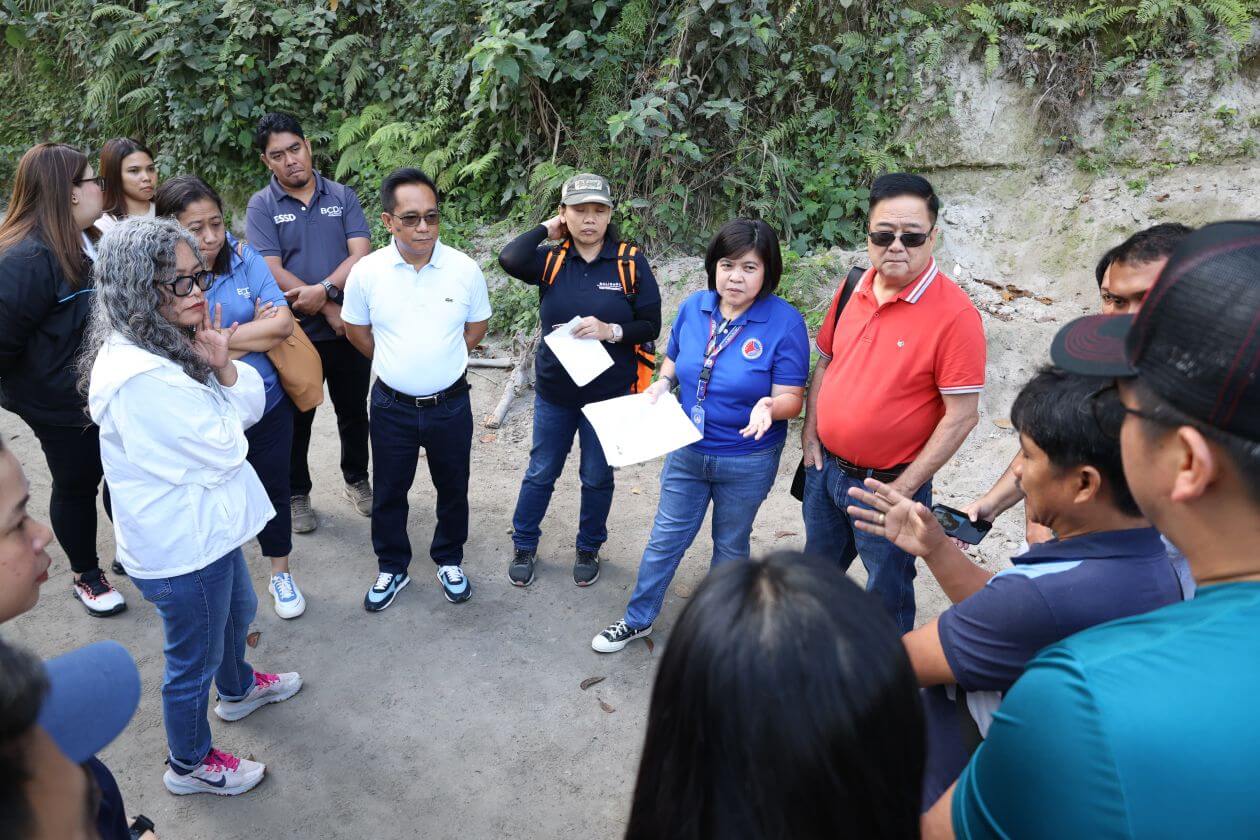
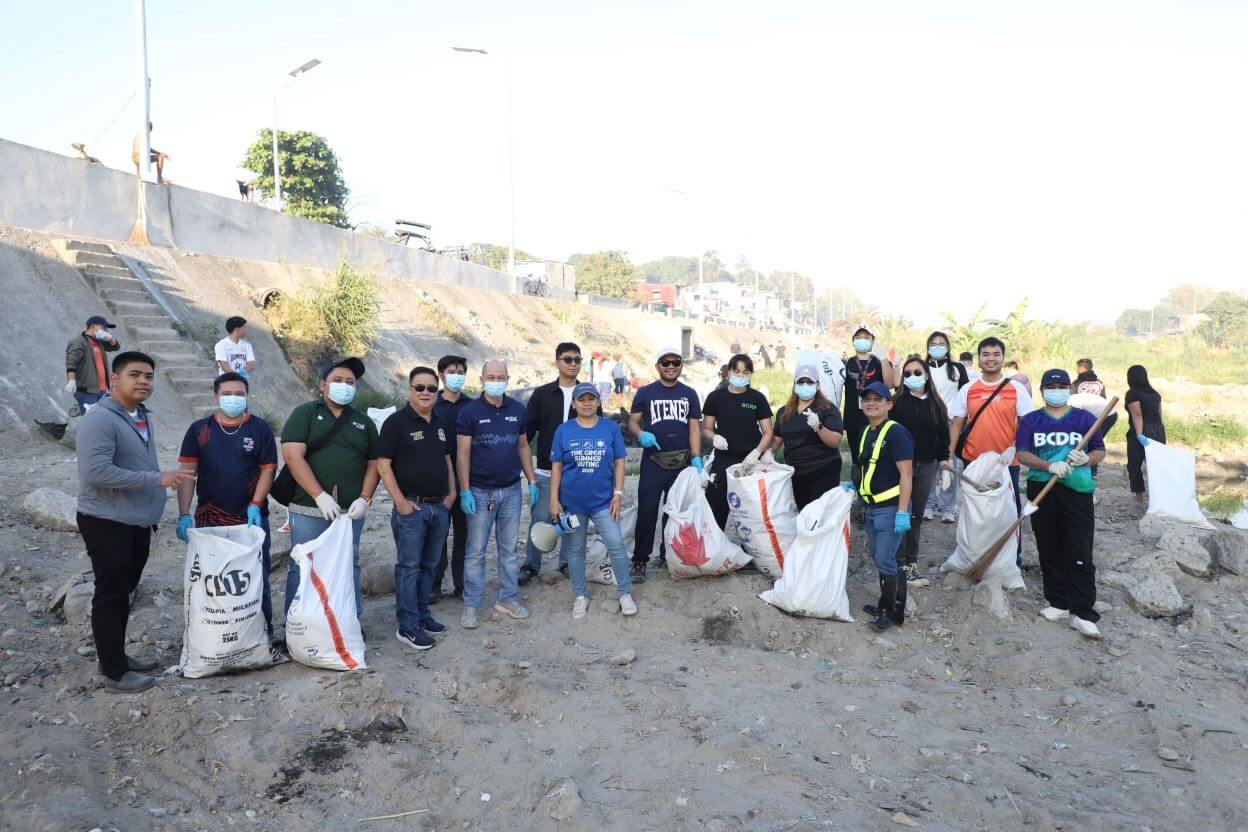
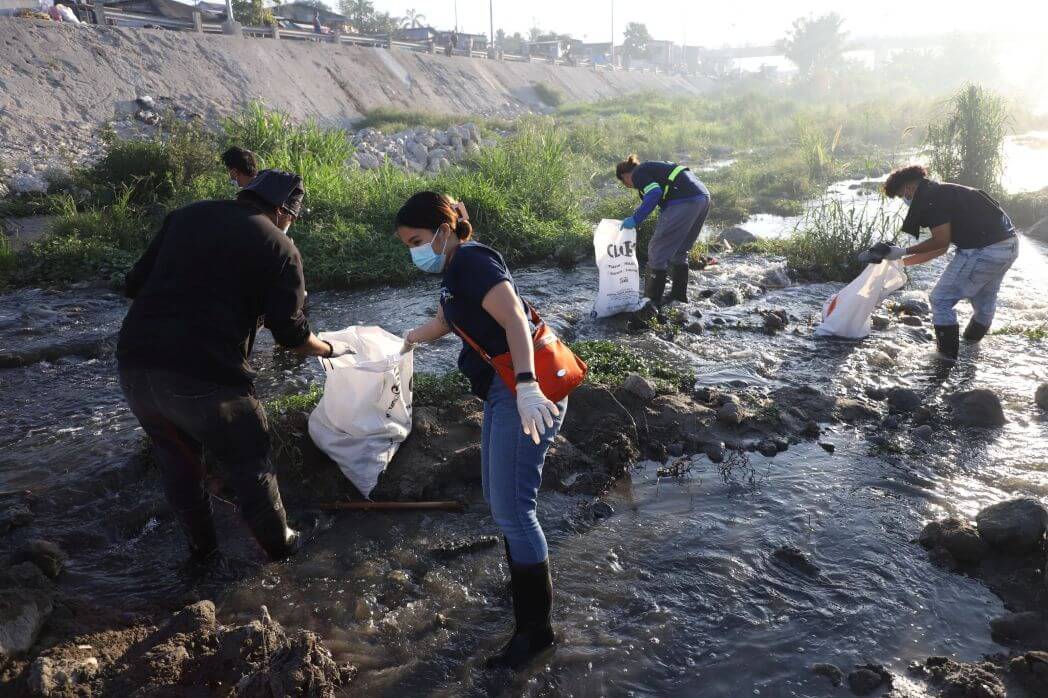
BCDA joined more than 140 volunteers on March 21 for the Abacan River Sustainable Clean-Up Program in Angeles City, an initiative led by Balibago Waterworks System Inc. and the Metro Angeles Chamber of Commerce and Industry Inc. (MACCII).
The monthly activity forms part of efforts leading up to World Water Day and National Water Month.
On the ground
Volunteers waded into the Abacan River in Barangay Pampang, collecting 158 sacks of waste from a key waterway that supports nearby communities and local biodiversity.
The effort highlights ongoing risks to water sources in fast-growing urban areas of Central Luzon.
“At BCDA, we see sustainability as a core responsibility. As we build infrastructure that drives economic growth, we are equally focused on protecting natural systems that sustain our communities. Development must not come at the expense of our water sources,” BCDA President and CEO Joshua M. Bingcang said in a statement.
Water risks
Stakeholders warn that water supply challenges persist in parts of Metro Manila and Central Luzon, making watershed protection increasingly urgent.
“Ang Abacan River Sustainable Clean-up ay inilunsad natin upang protektahan ang sources ng tubig natin. Dito sa Angeles City, Mabalacat, and City of San Fernando, kasama ito sa mga high risk of losing water... Kailangan po talaga palaguin, pagandahin, paunlarin, ingatan ang ating mga water sources kagaya po ng Abacan River,” said Mini Arceo, CSR manager of Balibago Waterworks System Inc.
Organizers noted the return of migratory birds in parts of the river—an early indicator that sustained clean-up and rehabilitation efforts are helping restore the ecosystem.
Bigger push
Beyond clean-up drives, BCDA is supporting a broader watershed restoration program tied to major infrastructure development. In coordination with the Department of Transportation (DOTr), the agency is backing the planting of around 700,000 indigenous tree seedlings across the Sapangbato and Sacobia watersheds.
The initiative, implemented with the Department of Environment and Natural Resources (DENR) and local advocacy groups, aims to restore forest cover, protect water sources, and mitigate environmental impacts linked to the North-South Commuter Railway (NSCR) Calamba Extension Project.
Bottom line
BCDA’s dual approach—combining community-led clean-ups with long-term reforestation—reflects a growing push to balance infrastructure growth with environmental protection, in line with national goals for climate-resilient and sustainable development. —Ed: Corrie S. Narisma