
This disconnect is one of the key findings of AXA’s 2025 Mind Health Study, which shows that the Philippines ranks among the highest globally in mental health awareness.
About 65 percent of Filipinos surveyed said they are aware of mental health issues, AXA said in a press statement. However, only about a third reported knowing how to respond when confronted with mental health concerns, whether for themselves or for others.
The findings highlight a growing gap between awareness and action—one that experts say could have serious consequences if left unaddressed.

Awareness without action
Paula Ferrer Cheng, head of research and development at Mind You, AXA Philippines’ partner in mental health, said in the same statement that recognizing mental health issues is only the first step.
“It is not enough to know what anxiety looks like—people need to know what to do,” Cheng said. “Awareness without action leaves people stuck, and in some cases, vulnerable to worsening conditions.”
She added that education must accompany awareness campaigns to ensure early signs of mental distress are addressed before they escalate.
“We need to ensure that Filipinos not only recognize mental health issues but also know how to respond,” Cheng said. “Without that, we risk letting early warning signs turn into long-term distress.”
According to Cheng, the disconnect between awareness and action poses real social and economic risks. Mental health issues that go unnoticed or unmanaged can lead to prolonged emotional strain, reduced productivity, and higher healthcare costs over time.
The AXA study supports this concern, finding that individuals who consider themselves well-informed about mental health—those who understand warning signs, available support, and appropriate responses—are significantly more likely to report positive mental well-being and better outcomes overall.
AXA’s role in bridging the gap
For AXA Philippines, the findings reinforce the need to move beyond awareness toward practical support.
“Awareness is an important first step, but real progress happens when people know they can take action with the right support,” said Ayman Kandil, CEO of AXA Philippines.
“Guided by our purpose to act for human progress, AXA stands as a partner to Filipinos—helping them take meaningful steps toward better mind health through access to practical, reliable resources.”
This approach reflects a broader shift among insurers and employers, who are increasingly recognizing mental health as a core component of long-term resilience and productivity.
A new tool for mind health
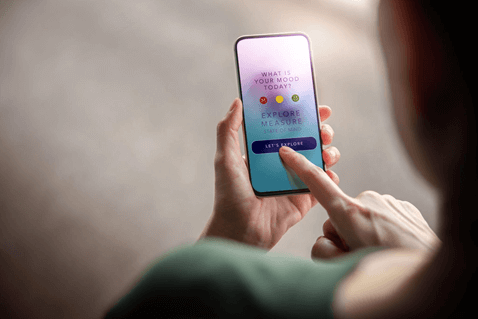
As part of its efforts to address the awareness-action gap, AXA has introduced the Mind Health Self-Check, a free and anonymous digital tool designed to help individuals better understand their emotional well-being.
The tool evaluates three key areas: current state of mind, skills and beliefs, and lifestyle. Users answer a series of questions and receive a single Mind Health Index score ranging from 0 to 100, based on AXA’s proprietary methodology.
The score falls into one of four categories: Flourishing (68 and above), Getting By (57–68), Languishing (43–57), and Struggling (below 43). Each category is designed to give users a clearer picture of where they stand and what kind of support or action may be helpful.
“The findings we see aren’t isolated,” Cheng noted. “They reflect deeper strain that builds over time and highlight the need for early, compassionate support.”
A separate Mind You study of over 15,000 employees found that 28% sought help primarily because they needed someone to talk to. About 80% were driven by emotional distress rather than clinical diagnosis, underscoring the need for accessible support and safe spaces at work.
Together, the studies point to a cultural shift toward greater openness and empathy around mental health, while underscoring the need for tools that empower people to act, not just be aware. —Ed: Corrie S. Narisma