With cooling appliances running longer during the dry season, power consumption is rising, pushing up electricity bills and increasing the risk of outages.
Solar firm Jackery is pushing portable solar generators to Filipino households as an alternative way to secure electricity at home.The Philippines has among the highest electricity costs in Southeast Asia, and seasonal outages remain a concern in parts of the country.
Solar power—once viewed mainly as an environmental solution—is increasingly being framed as a practical household investment that can reduce dependence on the grid.
Industry players say the country’s climate is already a natural asset for solar adoption.
The big picture
Portable solar systems are emerging as an alternative to traditional rooftop installations, which often require professional setup and higher upfront costs.
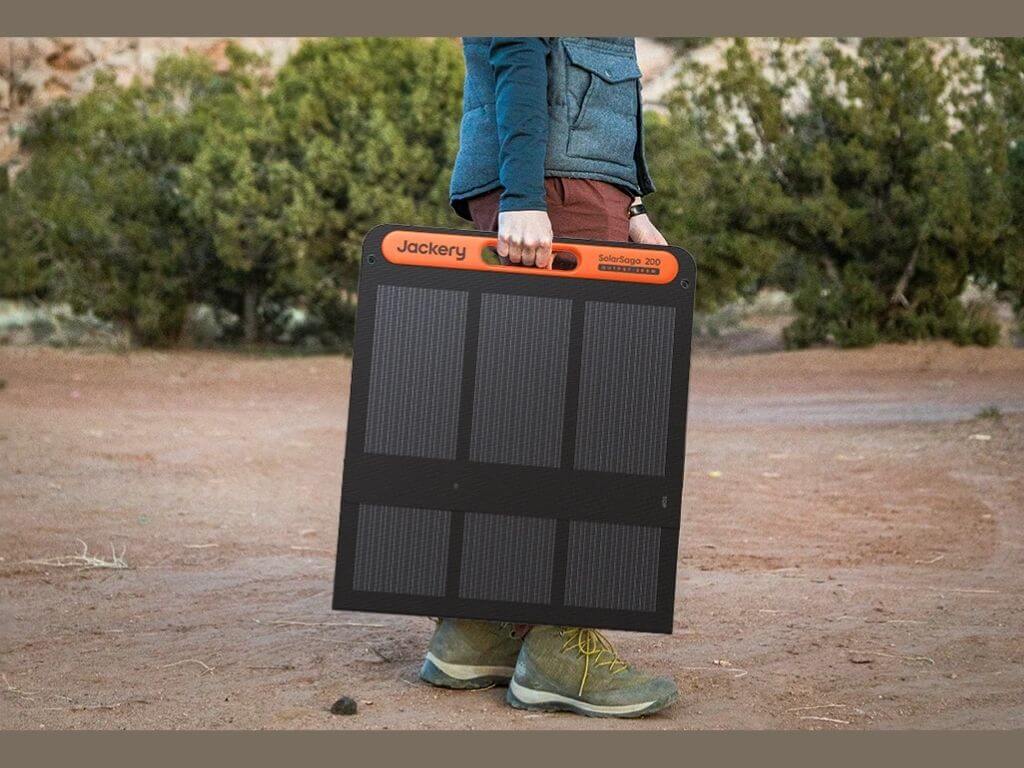
Jackery, a California-founded portable energy company established in 2012, is marketing its SolarSaga panels as a flexible option for homeowners, renters, and outdoor users who want quick access to renewable power, the company said in a press statement.
The foldable panels can be paired with Jackery Explorer portable power stations such as the Explorer 300 Plus or Explorer 1000 Plus, forming what the company calls a portable solar generator system. The setup allows users to capture solar energy during the day and store it for later use.
Between the lines
The appeal goes beyond sustainability messaging. Energy independence is becoming a consumer selling point, particularly for households relying on uninterrupted power for remote work, home security, or medical devices.
What’s next
Jackery’s SolarSaga panels, available in 100W and 200W versions, are designed for quick setup and mobility, with waterproof and dustproof protection for outdoor conditions.
For distributors like Cognetics Philippines, the strategy is clear—position solar not just as a climate solution, but as everyday energy security for Filipino homes. —Vanessa Hidalgo | Ed: Corrie S. Narisma