The Department of Energy (DOE) said it is planning to develop a nuclear power plant capable of producing up to 1,000 megawatts (MW) by 2032, with total capacity expected to expand to 4,800 MW by 2050.
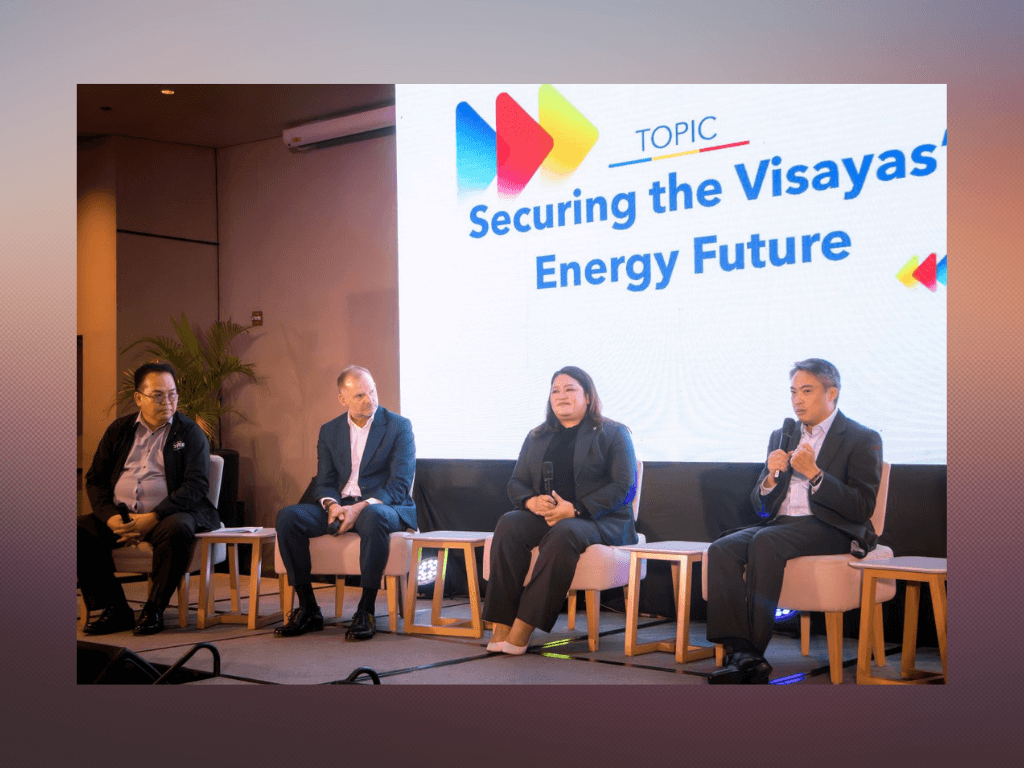
Six clusters have been established for the program, said Renante Sevilla, DOE Visayas director, during the “Power Forward Visayas” forum organized by The Freeman on April 24.
One cluster is tasked with leading information campaigns targeting students, whom Sevilla said they “really want to be aware of the program.”
He added that several potential sites for nuclear power plants have already been identified, while a dedicated unit has been established to oversee the initiative.Sevilla, however, assured the public that lessons have been learned from the Bataan Nuclear Power Plant in Morong—a project initiated by then-President Ferdinand Marcos Sr. in 1973 to address the global oil crisis and reduce the country’s reliance on imported oil.
Haunted by controversies
The Bataan power plant was awarded to American firm Westinghouse Electric for $500 million, but costs ballooned to $2.3 billion by the time construction was completed, contributing to the country’s massive foreign debt.
It was never operated, amid controversies including the discovery of 4,000 defects by an independent safety commission and allegations of corruption involving a Marcos associate.
The DOE’s plan to revive nuclear energy drew mixed reactions during the forum.
Cebu City Councilor Joel Garganera, who heads the council’s environment committee, expressed support for the proposal, saying it could help reduce the country’s dependence on imported energy.
He added that small modular reactors (SMRs) may be well-suited for an archipelagic country like the Philippines, as they are easier to maintain and contain.
Government-led
Jay Joel Soriano, vice president and head of strategy and planning at First Gen Corp., said nuclear energy may need to be seriously considered as an alternative source, given land constraints for solar and wind projects.
However, he emphasized that any nuclear project would require strong government leadership and private sector partnerships due to high capital requirements. He also noted that small modular reactors (SMRs) have yet to consistently meet timelines and budgets.Soriano added that nuclear energy is unlikely to materialize soon, citing unresolved issues such as long-term environmental impact and nuclear waste management.
Way above budget
Bernd Krukenberg, CEO of Shell Energy Philippines, said nuclear power plants are “way above budget” for private sector funding alone.
While nuclear power could be part of the long-term solution, he stressed that more immediate energy challenges must be addressed first.
“Even if nuclear power is the solution in 2035 or 2040, it doesn’t help us now,” he said.
Pangasinan Rep. Mark Cojuangco, a longtime advocate of nuclear energy and chair of the House committee on nuclear energy, said a greenfield plant could cost around $4 billion per 1,000 MW.
About 60 percent of that amount would go to civil works, he said during a roundtable discussion in Cebu City.
To jumpstart the project, Cojuangco said the government would need only about 20 percent of the total cost, adding that nuclear power could potentially bring electricity rates down from around P13 per kilowatt-hour to as low as P5/kWh.
He stressed that the project should be government-led rather than driven by foreign private investors.
“If we allow foreign investors to invest in nuclear energy, the savings will be their profit—and that profit will be repatriated,” he said. —Ed: Corrie S. Narisma

Contributor