
According to a study by the Japan International Cooperation Agency, traffic congestion in Metro Manila costs the economy about P3.5 billion daily, a figure projected to rise to P5.4 billion by 2035.
TODs, such as the Parañaque Integrated Terminal Exchange (PITX), aim to help mitigate these losses by improving the movement of workers to their workplaces.
With around 179,000 daily passengers, PITX has evolved from a transit stop into a growing economic district.

No longer just a gateway for commuters, the country’s first “landport” is emerging as a driver of investment and urban renewal in the south, highlighting how locating workplaces near major transport hubs can help address Metro Manila’s congestion.
“The problem with development in the Philippines, particularly here in Metro Manila, is that we are not always sensitive in how we plan our cities,” said Joshua Rodriguez, director at the Department of Transportation, during a media forum on March 11.
“With TODs at the center, it addresses our issues in improving urban development while also addressing the economic impact of congestion,” he added.
Rethinking the workplace
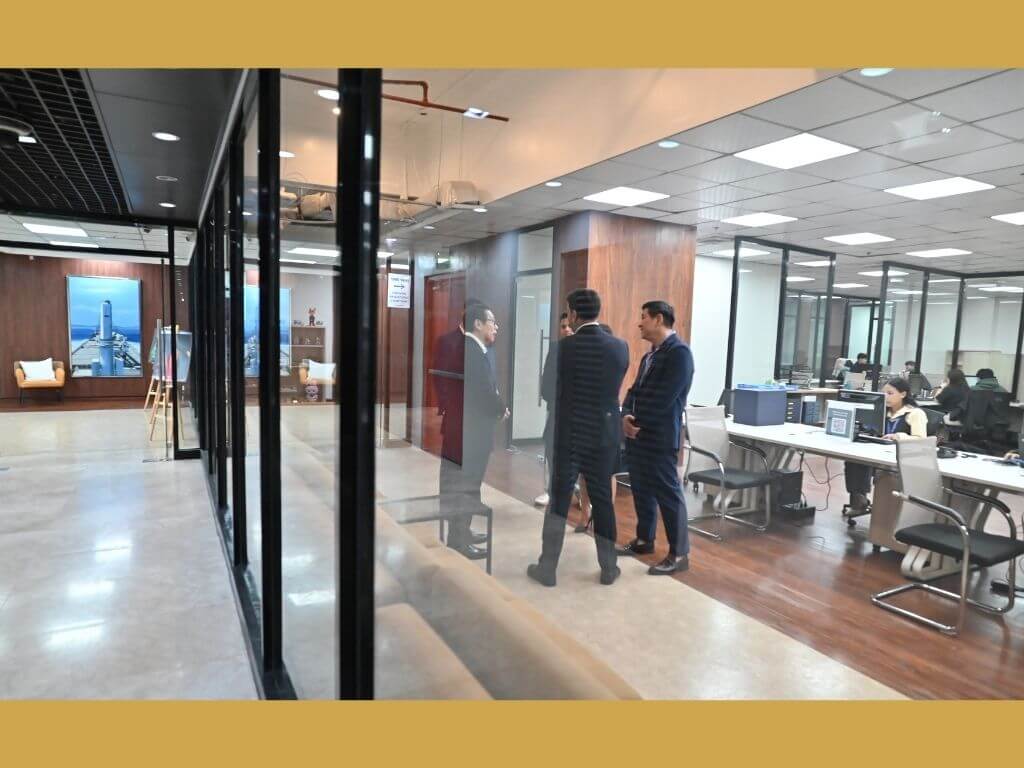
PITX chief operating officer Mohit Malhi said it is time to rethink the traditional workplace model.
“Traditionally, office spaces were created as destinations that required further travel after reaching a transport hub. But given current market realities, we are rethinking the workplace,” he said.
Malhi said integrating office spaces within PITX allows commuters to move directly from transit to their workplaces, reducing the need for additional trips into the city and easing road congestion.
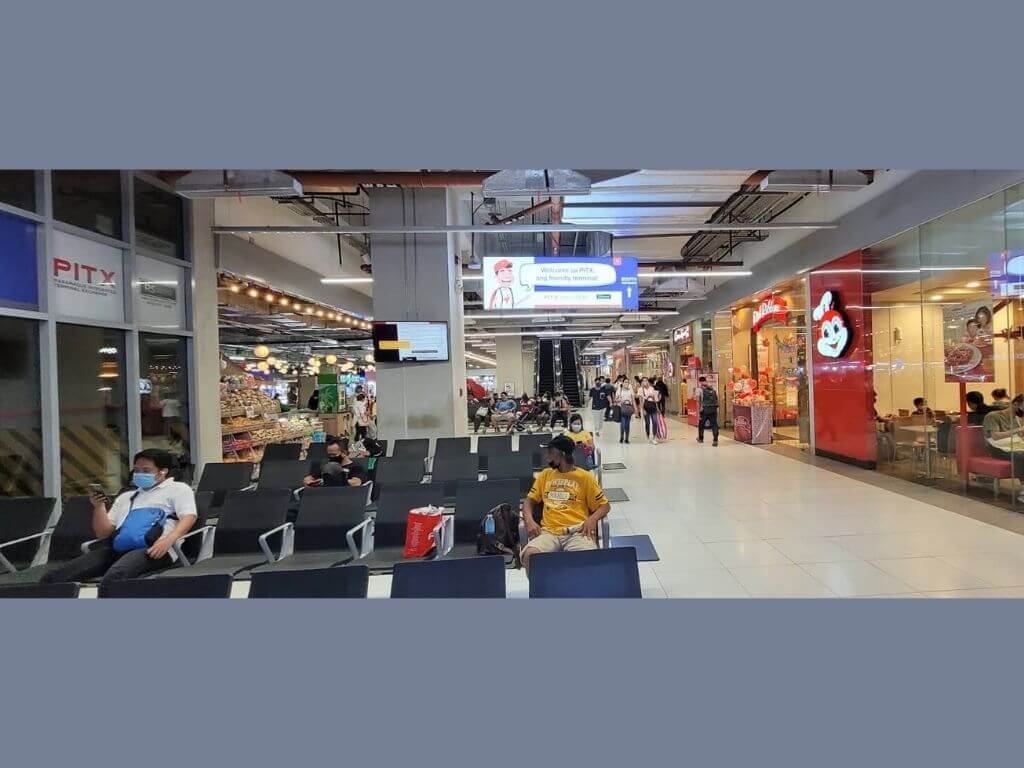
Beyond improving mobility, PITX is also generating employment and supporting mixed-use opportunities for both passengers and businesses.
Driving economic activity
“PITX has become a magnet for new investment. We are witnessing a surge in developer interest, with more commercial establishments and mixed-use projects rising specifically due to the terminal’s strategic placement and massive daily foot traffic,” said Cisette Ricardo, tourism head of Parañaque City.
Large transport hubs such as PITX also stimulate economic activity by creating jobs in sanitation, food services, logistics, and commissary deliveries.
The steady passenger traffic also creates opportunities for retailers and advertisers within the terminal.
“The massive daily passenger flow offers strong brand exposure, allowing retailers to thrive outside traditional shopping malls,” said Johnlu Koa, president of The French Baker.
Kevin Jara, director for office services at Colliers, said TODs serve as the “backbone” of the transport network by connecting passengers to feeder systems such as jeepneys and tricycles.
He noted that 62 percent of companies consider proximity to transport options a key factor when choosing office locations.
“Office demand is increasingly centering around transport-connected hubs, making TODs among the most resilient assets in the real estate market,” Jara said.
Sustainability and mobility
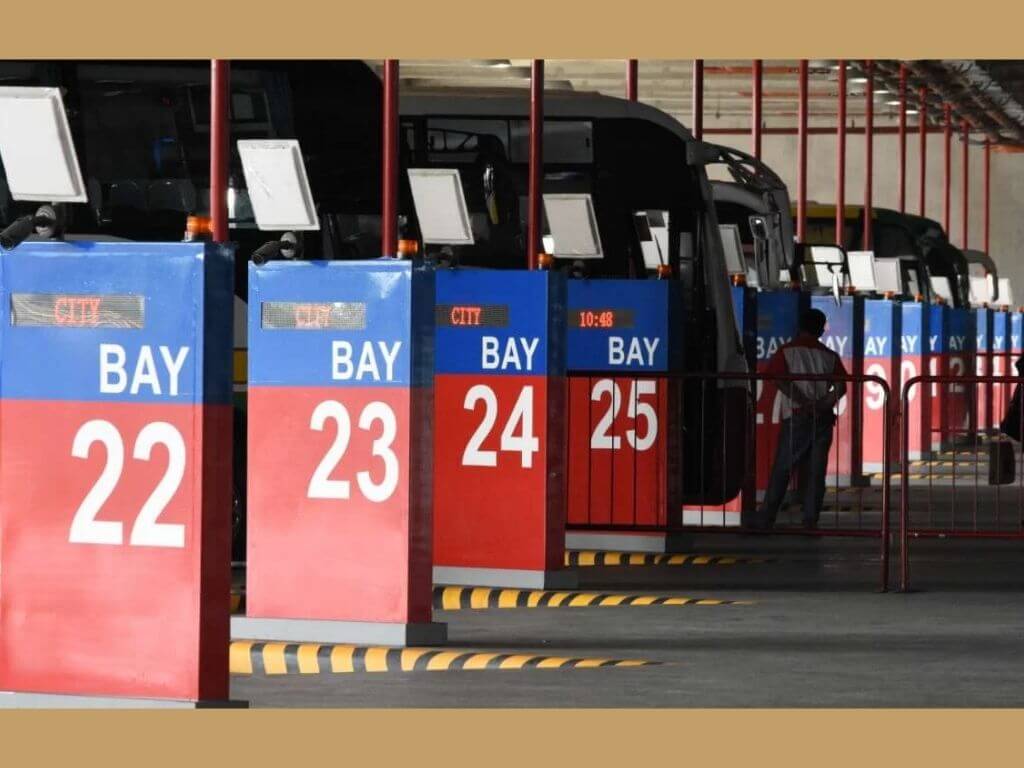
Transport hubs such as PITX can also help reduce carbon emissions by encouraging commuters to shift from private vehicles to high-capacity public transport such as buses.
Kenneth Uy, architect at VisionArch VP, said TOD is rooted in sustainability—meeting present needs while preserving resources for the future by balancing the three pillars of people, planet, and profit.
“It’s making sure that people’s needs are met, making sure that you don’t harm the planet, but making sure the economics work,” Uy said.
“Because anything you plan, no matter how beautiful it is, if it doesn’t make economic sense or cannot be maintained, it stops being sustainable,” he added.
Expansion plans
Megawide, the developer of PITX, said the multi-transport hub is preparing for expansion and studying the viability of an additional lot to accommodate increased bus terminal capacity during peak hours.
More transit-oriented developments are also being explored outside Metro Manila to further improve passenger connectivity.
“We are currently exploring similar integrated developments in Carmona, Baguio, and Lipa to replicate this success across the archipelago,” said Jaime Raphael Feliciano, chief business development officer of Megawide and president of PITX. —Ed: Corrie S. Narisma

Content Producer