Insider Spotlight
Held as a flagship event of the Philippine Tropical Fabrics Month, the three-day convention gathers researchers, industry leaders, creatives, and policymakers under the theme “Stitching Futures,” with a clear message that artificial intelligence (AI) is becoming a critical tool where textiles meet precision, efficiency, and global competitiveness.
DOST-PTRI Director Dr. Julius Leaño Jr. framed the theme as both symbolic and practical.
“Stitching Futures highlights the art and science of connecting diverse elements into a unified whole and brings to life the DOST’s vision of making science tangible for Filipinos through the clothes they wear every day,” he said in a press statement.

Why it matters
As local textiles compete in increasingly technical global markets, precision in testing, design, and production has become as important as creativity. TELACon positions AI as an enabler that strengthens Filipino craftsmanship rather than replacing it.
Science and Technology Secretary Dr. Renato Solidum Jr. underscored this approach, saying in an interview with Insider PH, “This is a culturally sensitive discussion on the use of artificial intelligence on arts and creativity. But for us, AI should not replace the ingenuity of our countrymen. But perhaps help them find better ways of doing things … it is very important to state that we need to have human-centered AI.”
Opening-day discussions also linked AI-driven innovation with sustainability and inclusive growth, aligning with the department’s Three-Horizon Science, Technology, and Innovation Economic Strategy to help micro, small, and medium enterprises commercialize research and adopt emerging technologies.
How it works
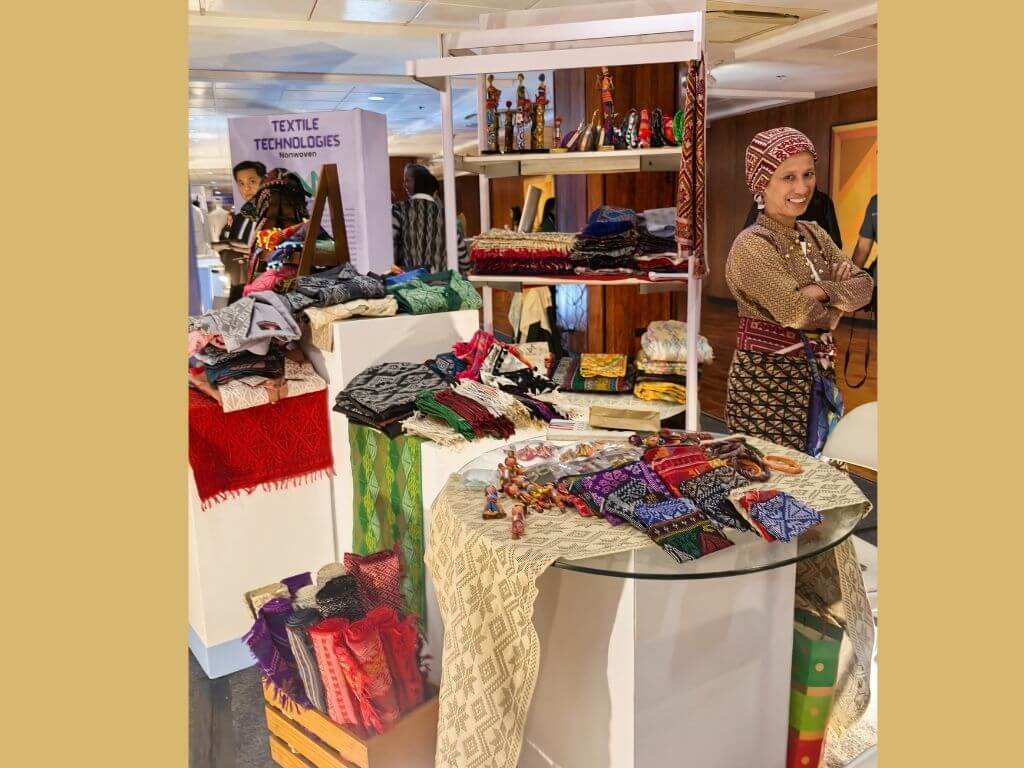
Industry voices shared how AI is already accelerating research and production. Matthew “Chuck” Lazaro, vice president of Asia Textile Mills Inc., said in an interview with Insider PH that, “AI can help the weavers at least determine these properties of the materials that they're using… and AI has really helped us at least improve or make the research faster.”
Leaño detailed how laboratories now use AI for textile testing and intellectual property protection.
“So what we do in the laboratory is to get cross-sections of the yarns and 1,000 samples of [yarn] and put it under the microscope … So when it sees it, automatically counts it,” he said, adding that generative AI helps quantify design originality beyond a 10-percent threshold.
“[I]ntellectual property must be different from the previous. So we use AI to be able to come up with a database and say, ‘This is 10 percent different from what is already existing,’” he explained. He also said that even as AI delivers practical benefits, the DOST continues to prioritize its ethical and responsible use.
The big picture
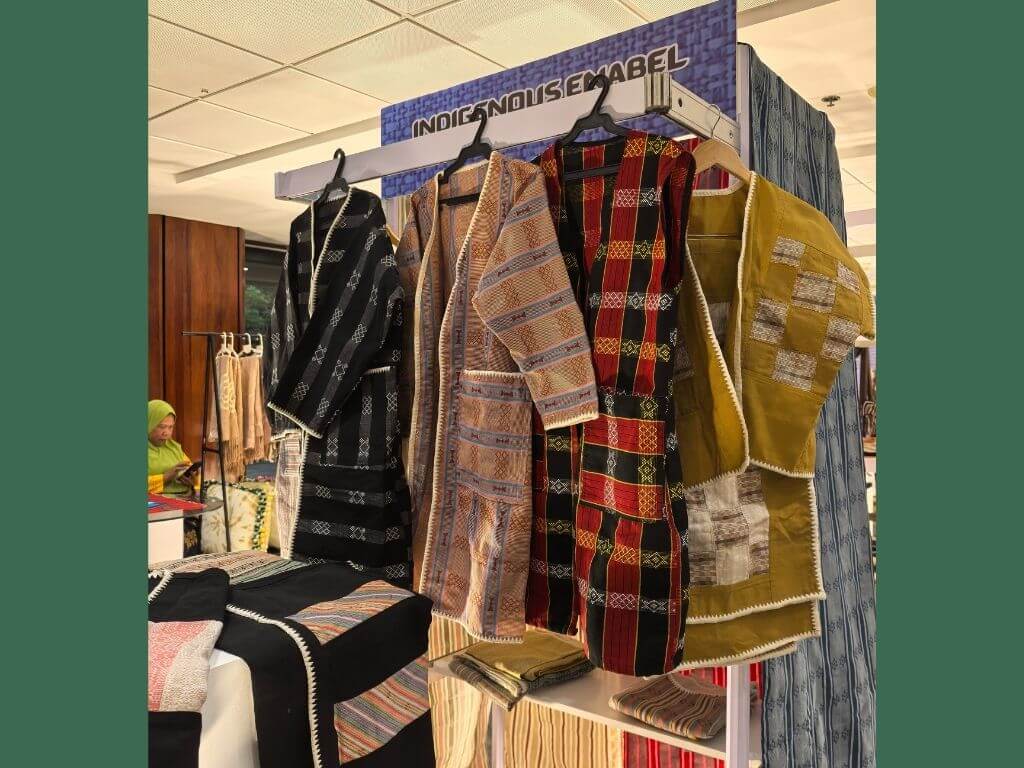
This precision-focused vision is reflected in the KatHABI Textile Innovation Exposition, where locally developed technologies turn natural fibers into high-quality fabrics.
By pairing AI with sustainability, cultural preservation, and circular economy practices, TELACon 2026 positions Telang Pinoy as both a heritage product and a high-tech solution for climate resilience and inclusive economic growth.
What’s next
With continued investment in AI, research, and collaboration, DOST-PTRI is stitching a future where Filipino textiles compete globally through precision, while keeping creativity firmly in human hands. —Vanessa Hidalgo | Ed: Corrie S. Narisma