Insider Spotlight
The listed energy company said on Friday that its remaining development pipeline comes on top of more than 3 GW of renewable energy capacity already in operation or under construction in the country.
Shift in strategy
ACEN recently voluntarily relinquished service contracts covering around 5 GW of early-stage projects, reflecting a change in corporate priorities from aggressive capacity expansion to project execution and capital efficiency.
With around 40 percent of its renewable energy capacity across its markets currently under construction, ACEN is prioritizing the completion of committed investments, optimization of existing assets and selective pursuit of new opportunities.
The move also aligns with the Department of Energy’s efforts to rationalize renewable energy service contracts and facilitate the development of viable projects.
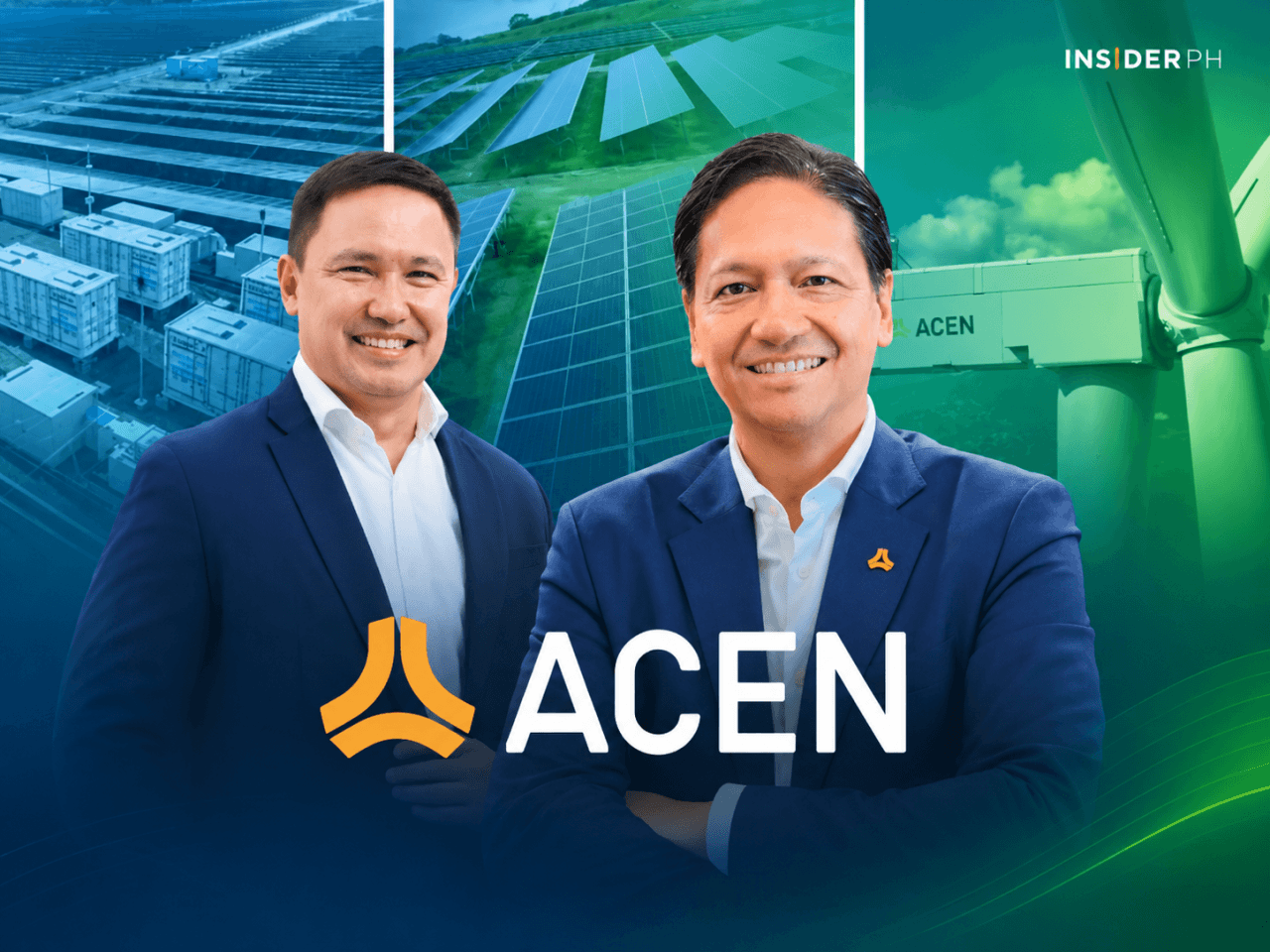
Philippines remains central
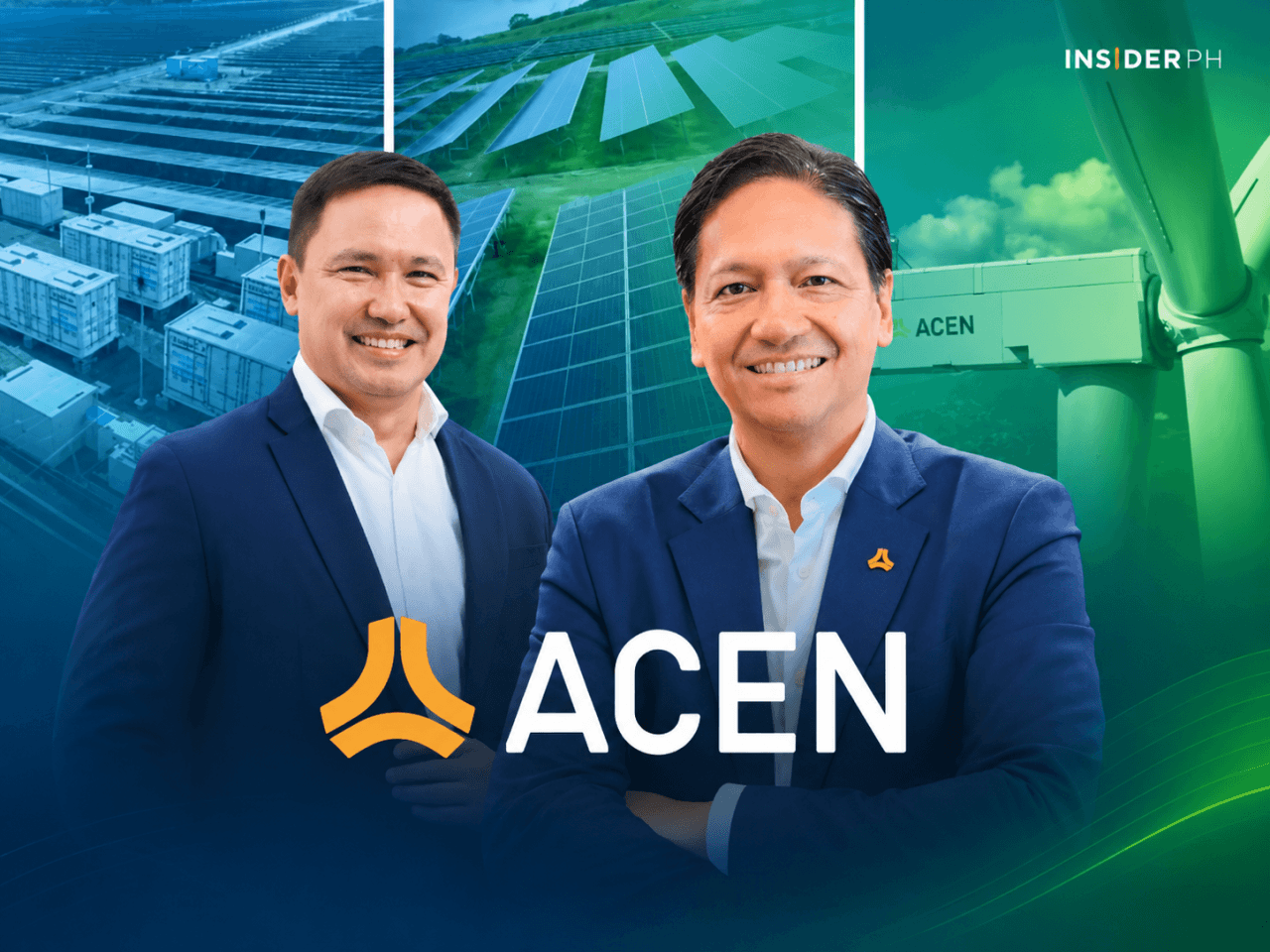
“The Philippines remains the core and largest market for ACEN. While our strategic focus has shifted from rapid expansion to execution and measured growth, our commitment to the energy transition remains as strong as ever,” ACEN president and CEO Eric Francia said.
Among the company's ongoing domestic investments are 500 megawatts (MW) of solar capacity and 800 MW of battery energy storage in Zambales, alongside more than 300 MW of wind capacity in Quezon.
ACEN also accounts for over 50 percent of the market under the government's Green Energy Option Program, which allows eligible electricity consumers to source power from renewable energy providers.
Energy security
The company's immediate priority is to bring projects under construction into commercial operation, particularly amid concerns over the potential impact of a strong El Niño on Philippine electricity supply.
Across its international markets, ACEN currently has 7.5 GW of attributable renewable energy capacity spanning operational projects, facilities under construction and projects with signed agreements.
Apart from the Philippines, the company has investments in Australia, Vietnam, India, Laos and Indonesia.
Its entire power generation portfolio is now renewable, with the company targeting net zero greenhouse gas emissions by 2050.
— Edited by Daxim L. Lucas