The Philippine fintech company is pushing for greater use of sales and cash flow data in assessing borrowers, particularly micro, small and medium enterprises (MSMEs) that struggle to access formal financing.
The approach draws from discussions at two international finance gatherings this month—the Black Swan Summit Cambodia in Phnom Penh on Nov. 16 and the 12th Global SME Finance Forum in Singapore on Nov. 18, 2026.
Held under the theme “Transforming Access Into Impact,” the Singapore forum explored how financing could deliver meaningful business outcomes amid a persistent global SME funding gap estimated in the trillions of dollars.
Beyond repayment
For a sari-sari store owner, paying loan installments on time could improve her credit profile without necessarily strengthening her financial position.
She may be borrowing from informal lenders at higher interest rates to meet her obligations, leaving her with mounting debt despite a good repayment record.
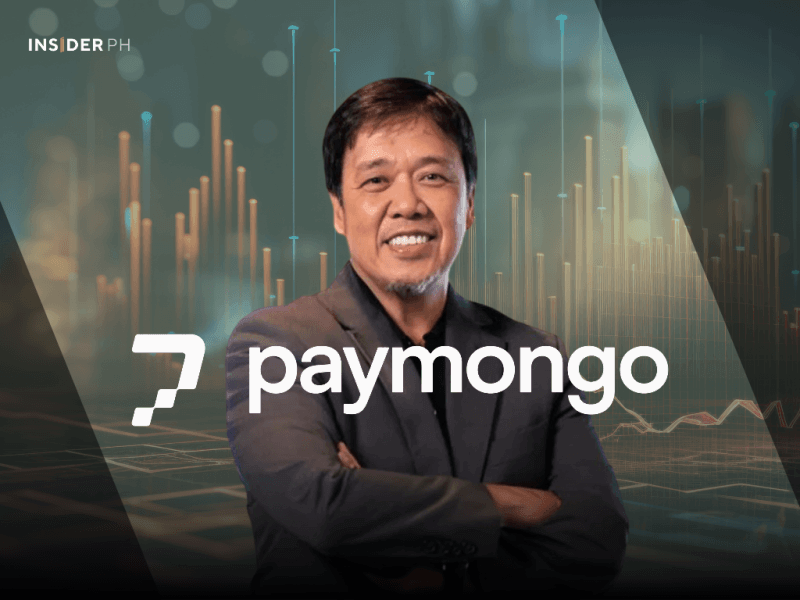
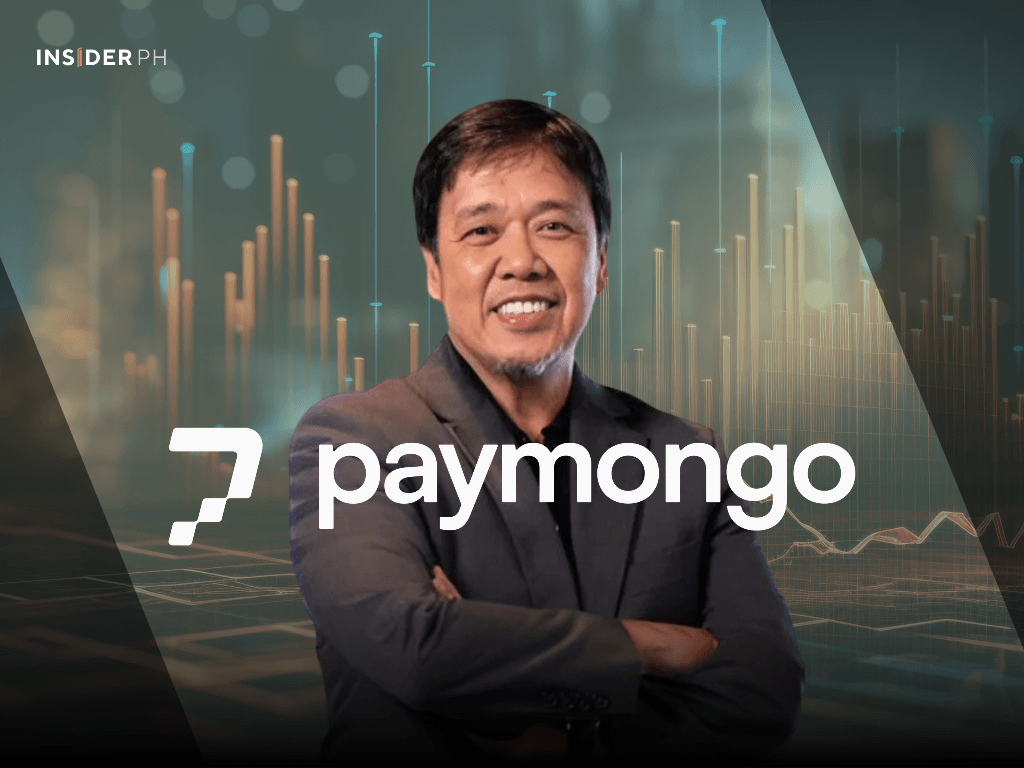
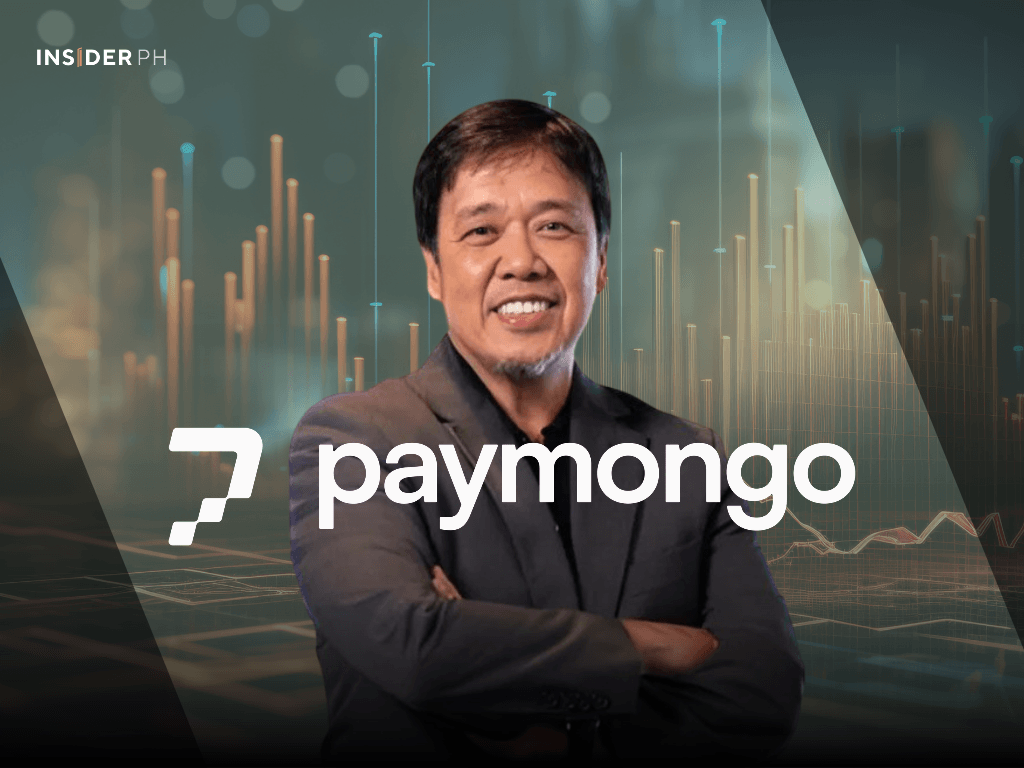
“Repayment tells a lender that it was paid. It may not be enough to tell us whether the business is better off,” said PayMongo President and CEO Jojo Malolos, who participated in both forums.
“If a merchant is borrowing elsewhere to stay current, the loan looks healthy on paper while her total debt keeps growing. We want financing to help merchants grow, and we do not want to see them buried in debt.”
Persistent credit gap
MSMEs account for 99.6 percent of Philippine businesses, according to Department of Trade and Industry data, but received only 4.7 percent of bank lending as of end-2025, based on Bangko Sentral ng Pilipinas figures.
PayMongo attributed part of this disparity to lenders’ limited visibility into small businesses’ financial performance, with many merchants lacking formal financial records.
Much of small-business borrowing also goes toward addressing cash shortages or emergencies rather than financing expansion.
Data-driven lending
PayMongo sees opportunities in using merchants’ actual sales and cash flow to determine financing requirements and repayment capacity.
Under this approach, businesses could access working capital ahead of peak shopping seasons, with repayments structured as a percentage of daily sales to accommodate fluctuations in revenue.
The company applies this model through PayMongo Capital, where partner lenders provide financing using merchants’ sales data from the platform.
Demand for working capital typically increases ahead of the holidays as merchants replenish inventories.
“What we are bringing home to the Philippines is a question we are asking ourselves first, and hope to explore with lenders and policymakers: is the business stronger after the loan?” Malolos said.
“At PayMongo, we grow when our merchants grow.”
Regional opportunities
Beyond MSME financing, PayMongo is also exploring ways to reduce barriers to fintech expansion across Southeast Asia.
While Cambodia has established QR payment connectivity with five ASEAN neighbors, differences in regulatory requirements and due-diligence processes continue to make cross-border expansion costly.
PayMongo is proposing discussions on a shared due-diligence framework among central banks with interconnected QR payment systems to streamline market entry for licensed fintech companies.
The company hopes to continue these discussions with Philippine lenders, regulators and fintech players, emphasizing the need to move beyond expanding financial access toward delivering measurable and sustainable business growth. —Ed: Corrie S. Narisma