The company, in a press release, said the transaction is the first U.S. dollar–denominated renewable energy project financing in the Philippines funded entirely by international banks, highlighting growing global confidence in the local renewables market.
Backed by global lenders
Seven international financial institutions participated in the financing: BNP Paribas (Singapore), Crédit Agricole Corporate and Investment Bank (Singapore), DBS Bank Ltd., Intesa Sanpaolo S.p.A. (Hong Kong), MUFG Bank Ltd. (Singapore), Standard Chartered Bank (Singapore) Limited, and Sumitomo Mitsui Banking Corp.
Vena Group, a leading green solutions provider driving the energy and digital infrastructure transition across the Asia-Pacific, said the landmark deal establishes a template for future large-scale green infrastructure financings in the Philippines and reinforces its position as a regional leader in renewable energy development.
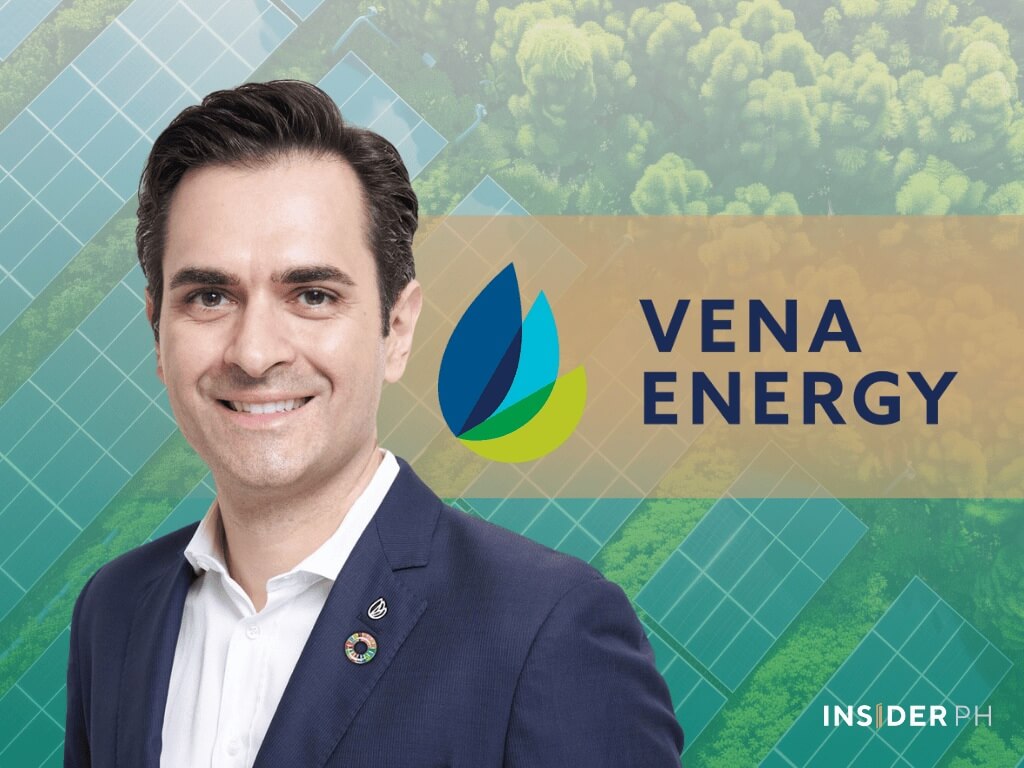
“This bespoke financing reflects the confidence of global banking institutions in the quality of our strategy, our team, and our projects,” said Simone Grasso, chief investment officer of Vena Group, in the press statement.
He added that the transaction underscores the company’s ability to mobilize cross-border capital at scale to accelerate the Philippines’ clean energy transition.
Part of DOE auction program
The Opus Solar Energy Project forms part of the Department of Energy’s Green Energy Auction Program 2 (GEAP 2), which aims to install 3.4 gigawatts of committed renewable energy capacity by 2026 as the country pushes to diversify its power mix and reduce carbon emissions.
Clean energy and climate impact
Once operational, the ground-mounted solar facility is expected to generate enough electricity to supply around 445,000 households.
It is also projected to reduce greenhouse gas emissions by about 349,000 tons annually—equivalent to planting nearly 5.8 million trees or removing about 76,000 vehicles from the road.
Vena Group said the Opus Solar Energy Project further advances its commitment to decarbonization and the expansion of renewable energy infrastructure across the Asia-Pacific region, while supporting the Philippines’ long-term energy security and sustainability goals. —Ed: Corrie S. Narisma