The competition, dubbed AI in 30 Hours, brought together students, technology leaders and industry experts to explore AI's potential while developing the technical, creative and problem-solving skills needed in an increasingly digital economy.
Beyond testing their coding abilities, the challenge pushed participants to identify problems, develop AI-powered solutions and present working concepts within a limited timeframe.
Innovation under pressure
Team Lord of the Pings, composed of students from De La Salle University and the Polytechnic University of the Philippines, emerged as champions.
Team ByteLog from De La Salle University-Dasmariñas secured first runner-up, while Team BYTX, also from the same university, finished second runner-up.
Throughout the competition, participants received mentorship and feedback from industry professionals, helping them refine their projects and understand how AI concepts can be translated into practical applications.
PLDT Enterprise first vice president and head of enterprise product management and innovations Nico Alcoseba said the experience offered students an opportunity to move beyond classroom learning.
"There's a big difference between learning about AI and actually sitting down with a team to build something with it," Alcoseba said.
"When students are given a real challenge, a deadline, and people who can guide them, they discover what they're capable of."
The competition was supported by De La Salle University and Animo Labs, alongside technology partners including Rokid Philippines, UiPath, 6D Technologies, Genesys, Fortinet, Microsoft and Huawei Philippines.
Learning by doing
For the winning students, the hackathon provided valuable lessons in teamwork, decision-making and adapting ideas under pressure.
"We knew 30 hours would be challenging, but it pushed us to make decisions, work closely as a team, and find ways to improve our idea along the way," said Team Lord of the Pings representative James Randall A. Magpantay.
He said guidance from mentors and industry experts made the experience more meaningful, with the knowledge gained proving as valuable as the recognition.
AI for communities
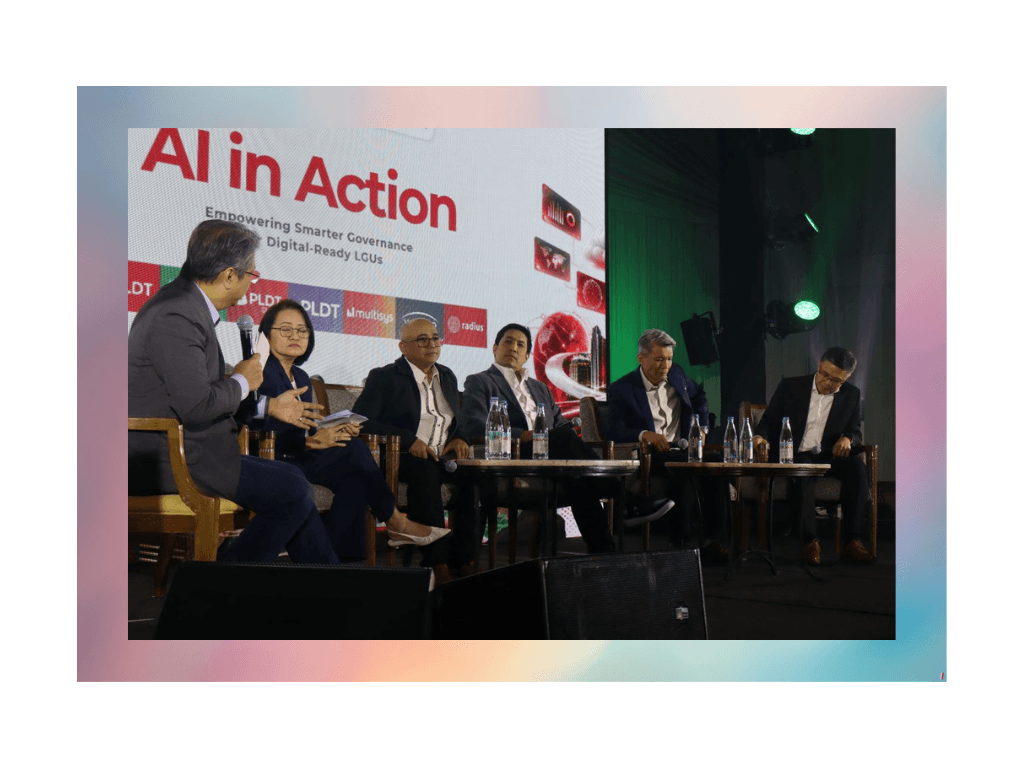
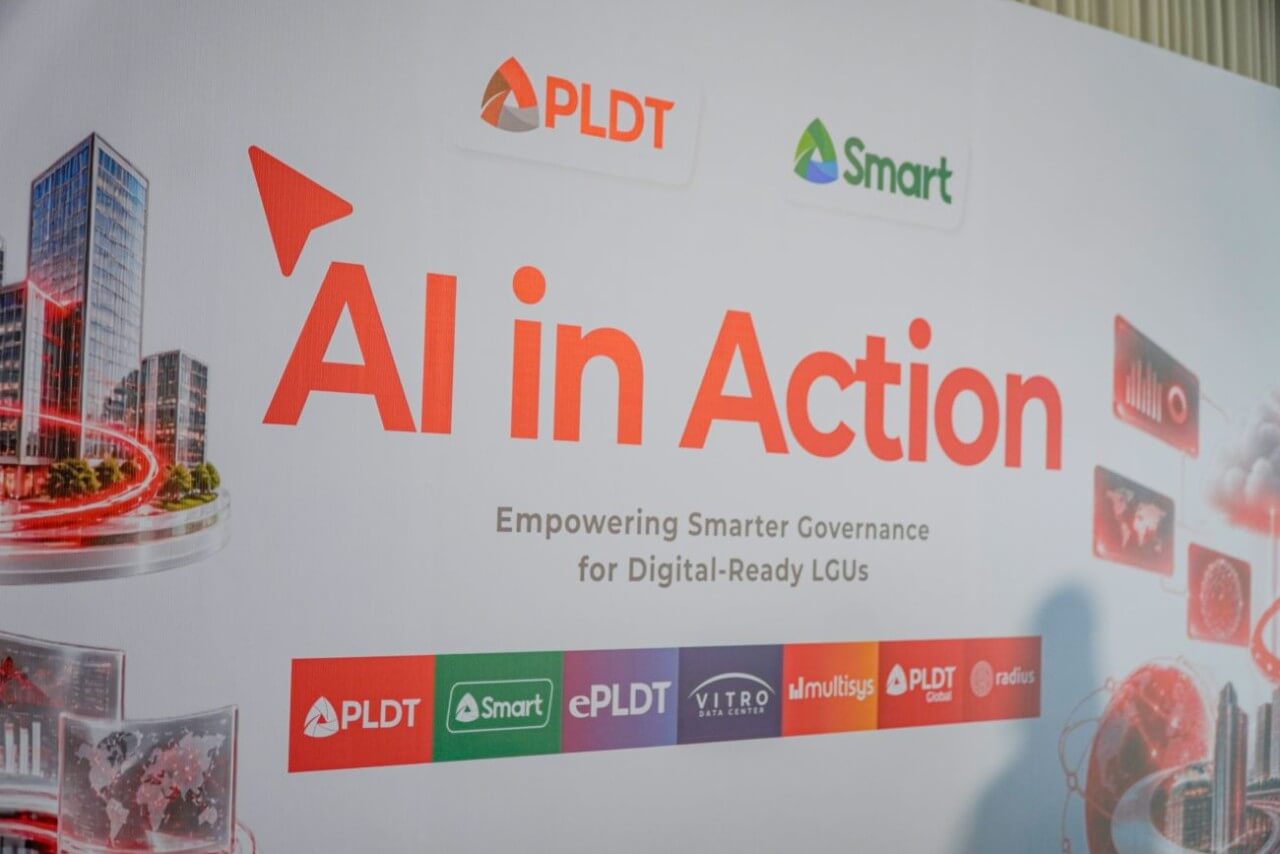
The winning teams subsequently presented their projects during the AI in Action Forum on Nov. 5, 2026, at the Glass Pavilion of Dusit Thani Manila.
The forum brought together government officials, technology experts, industry representatives and educators to examine how AI can improve public service delivery.
Student innovations were showcased alongside AI solutions developed by local government teams from Baguio City, Cabanatuan City, Cebu City and Lanao del Sur under the PLDT and Smart AI-in-a-Box Mentorship Program.
The LGU projects addressed zoning compliance, citizen feedback management, public service reporting and infrastructure project monitoring.
Building AI capabilities
PLDT Enterprise vice president and head of public sector revenue group Ruby Montoya emphasized that AI adoption should ultimately benefit communities.
"When we talk about bringing AI into public service, we always have to remember who it is meant to help—the people in our communities," Montoya said.
She said collaboration among students, local governments and industry experts could help transform emerging technologies into useful solutions.
Through initiatives such as AI in 30 Hours, PLDT Enterprise aims to strengthen the country's innovation ecosystem while equipping young Filipinos with the skills and confidence to help shape its digital future. —Ed: Corrie S. Narisma