Insider Spotlight
From malls to offices, printed materials still guide customers, reinforce branding, and deliver timely messages. Businesses are rethinking spaces, but print remains embedded in the experience.
Retailers use signage to attract attention and improve navigation, while events rely on large visuals to establish presence. Offices, meanwhile, deploy printed materials for internal communication and brand consistency.
What’s new
Epson is positioning its large-format printing systems as critical infrastructure for these needs, emphasizing durability and consistent output across high-volume environments.
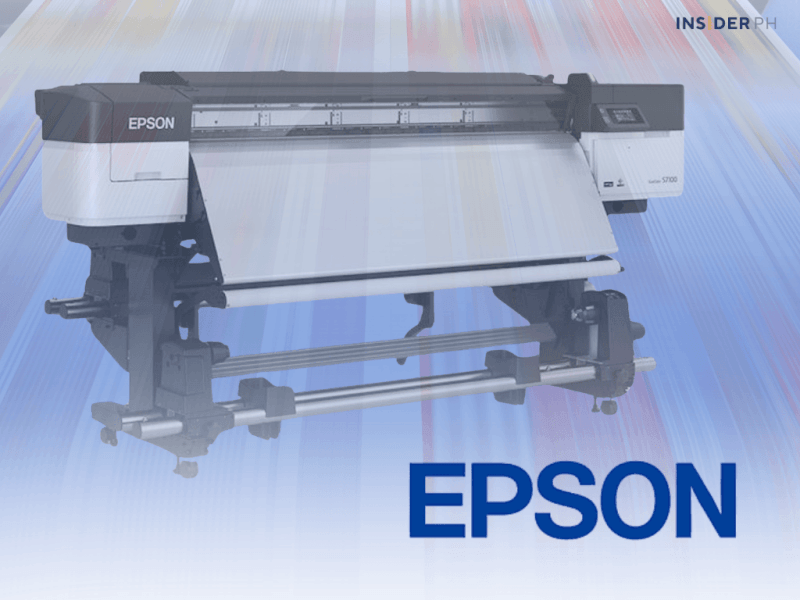
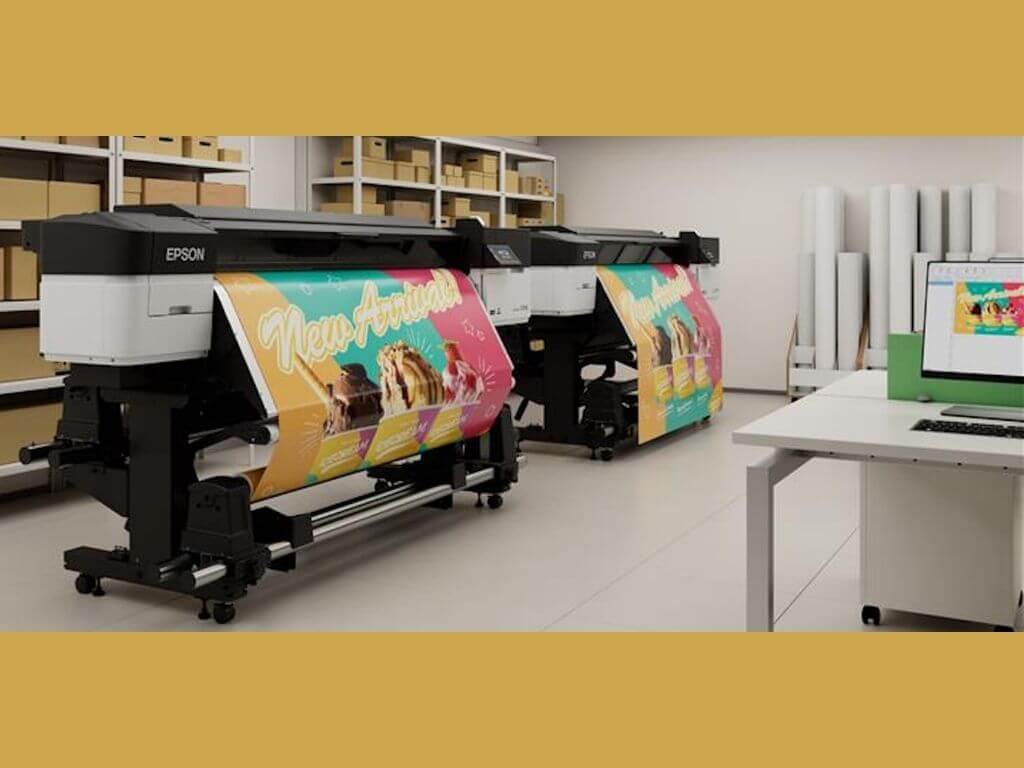
A key product is the SureColor SC-S7130 64-inch eco-solvent printer, designed for signage and display production. It supports applications ranging from window graphics to event backdrops and directional signage.
Why it matters
As companies redesign physical spaces, clarity and visibility of messaging become more important. High-quality printed displays help ensure that information remains accessible and visually consistent at scale.
The SC-S7130 addresses this with features such as PrecisionCore MicroTFP printheads for speed and image quality, plus a stable media feeding system to reduce errors during long print runs.
High-capacity ink packs also allow longer production cycles with fewer interruptions, improving efficiency for both print providers and in-house teams.
By the numbers
Epson brings over 50 years of global printing expertise to its solutions, underscoring its long-standing position in the category.
What they’re saying
“At Epson, we continue to develop solutions that support how businesses operate across different environments. Printed materials remain part of how companies share information on-site, and we aim to provide reliable technology that meets these everyday requirements,” Masako Kusama, president and director of Epson Philippines Corp., said in a press statement.
Bottom line
Even in a digital-first era, printed displays remain a steady, practical tool for communication, branding, and daily operations as businesses reshape their physical spaces. —Vanessa Hidalgo| Ed: Corrie S. Narisma