Insider Spotlight
The backdrop
In July 2022, Republic Act No. 11900, the “Vape Law,” lowered the minimum age to buy e-cigarettes and heated tobacco products from 21 to 18 and allowed previously banned flavors, while ostensibly prohibiting flavor descriptors that “appeal particularly to minors,” such as fruit or desserts. Online sales and marketing remain permitted, subject to these limits.
What the research found
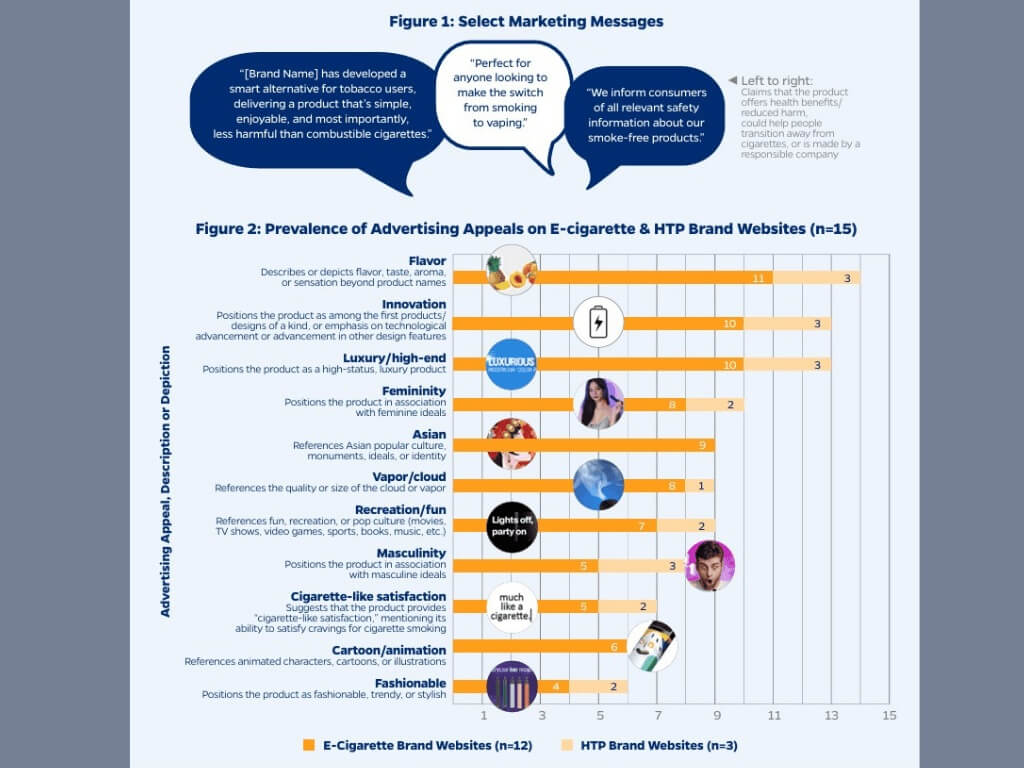
IGTC’s first study scanned twelve e-cigarette and three heated tobacco brand websites geotargeted to Philippine users.
Every site featured flavor descriptors in product names, sales hooks like discounts and free gifts, and claims that products could help smokers quit or were less harmful than cigarettes.
Many sites leaned on sensory language around taste and aroma, and about two-thirds linked products to femininity or feminine ideals.

“These findings underscore why flavors and digital marketing remain two top concerns that the current Vape Law falls short of addressing” JL Estrella Pablico, PLCPD Young Leaders Program for Tobacco Control member, said in a press release on Dec. 9, 2025.
“As long as taste-tempting vapes remain legal, kids and teenagers have a target on their backs, their web browsers, and their social media feeds. While the vape industry prospers, it’s the youngest among us who are paying the price.”
Zoom in on social media
A companion study reviewed 5,501 public posts from brands’ Facebook, TikTok, YouTube and Instagram accounts, closely analyzing a sample of 358. Emoticons appeared in roughly 70 percent of posts, animated characters or cartoons in almost twenty percent.
More than half carried no health warning, and over one-third omitted any age restriction.
Why it matters
“There is agreement among virtually all parties that products containing tobacco or tobacco derivatives should not be sold to or consumed by children or teenagers,” said Tuo-Yen Tseng, PhD, IGTC assistant scientist and lead on the website study.
“And yet, we are still seeing many tobacco and nicotine products sold and advertised in ways and places that are accessible and attractive to youth—including on the internet and associated with candy or cartoons.”
The policy push
Advocates say the evidence strengthens the case for a national flavor ban and a comprehensive digital advertising that will strengthen regulation around digital marketing of e-cigarettes and heated tobacco products.
“To safeguard Filipino youth from tobacco and nicotine harm, we must address the ways in which these devices, liquids, inserts, and accessories appeal to them, and enticing flavors are a key component of the vaping experience,” said Judy Delos Reyes of Parents Against Vape and Global Youth for Tobacco Control. —Vanessa Hidalgo | Ed: Corrie S. Narisma