Among these is the P2.8-billion Cebu–Lapu-Lapu 230-kilovolt (kV) Transmission Line Project, which includes the construction of new 230-kV overhead transmission lines and higher-capacity 230-kV submarine cables.
Another is the P8.3-billion Lapu-Lapu 230-kV Substation Project, which involves building new substations in Lapu-Lapu City.
The two projects, which are scheduled for completion in December 2027, are intended to address growing electricity demand in Mactan, home to world-class hotels and resorts, and across Cebu, said Michael Baylosis, NGCP regional transmission planning senior manager for projects and engineering, during the Power 101 forum on July 1.
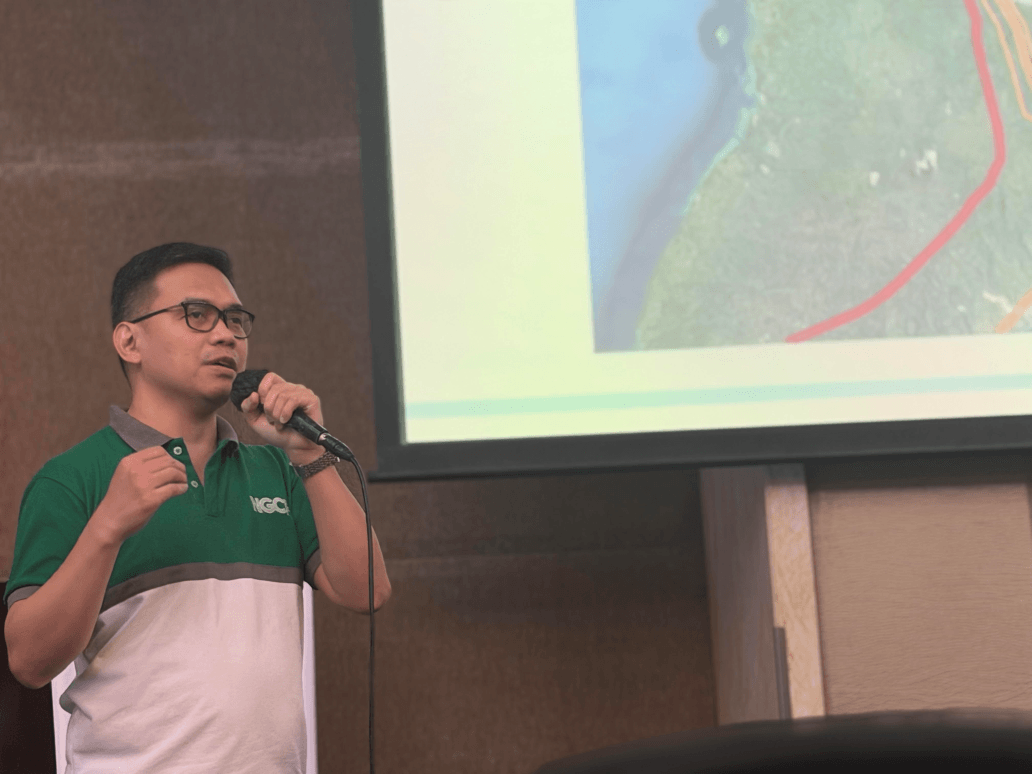
He said the projects will also expand transmission capacity to support the long-term economic development of Cebu and Mactan islands.
At present, rising electricity demand in Metro Cebu is pushing the existing 138-kV transmission lines and underground cables close to their capacity limits. The new 230-kV transmission system is expected to provide a more reliable and efficient power supply.
Interconnection
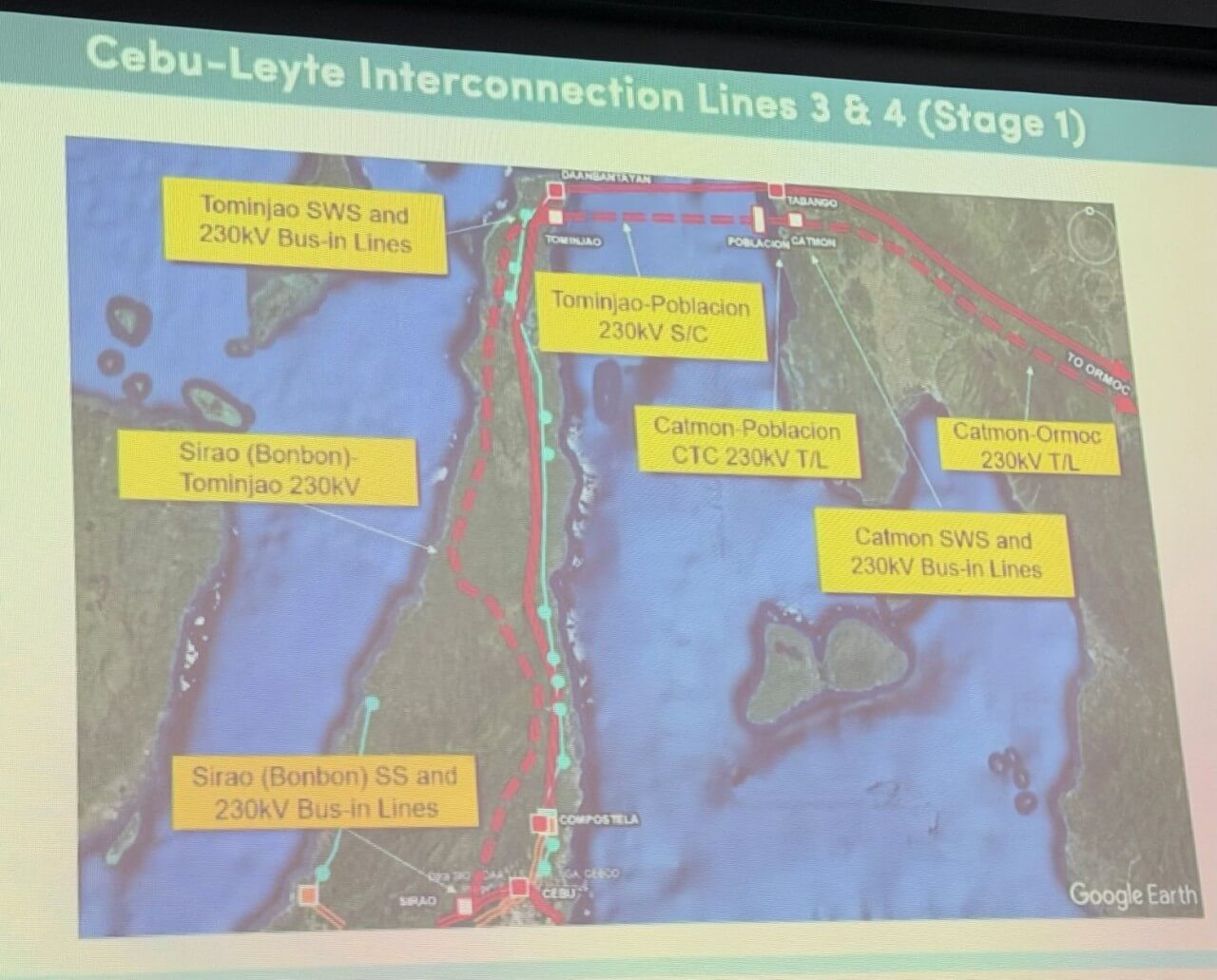
NGCP has also lined up the P44-billion Cebu–Leyte Interconnection Lines 3 and 4 Project, a major transmission expansion that will increase electricity transfer capacity between Luzon and the Visayas, improve resource sharing, and support the integration of new power plants.
The project will be implemented in three phases, with completion targeted for 2031, 2033, and 2035.
It will add two 600-megawatt (MW) interconnection links between Cebu and Leyte and maximize power sharing among the Luzon, Visayas, and Mindanao grids.
The project will also accommodate electricity from new power plants in Leyte, Samar, and Cebu.
At present, the Visayas imports 250 MW of electricity from Luzon and 450 MW from Mindanao.
Causes of delays
Baylosis said engineering work is rarely the cause of project delays. Instead, timelines are often extended because of difficulties in acquiring right-of-way, requests to reroute transmission lines, and the lengthy process of securing permits and regulatory approvals.
He said NGCP needs the timely issuance of building permits, approvals from local councils, barangay clearances, and Certificates of No Objection to meet project schedules.
Lawyer Cynthia Perez-Alabanza, NGCP assistant vice president and head of the public relations department, said the company hopes to receive greater support in right-of-way acquisition and the permitting process to help speed up project implementation.
She said that while landowners may be inconvenienced by NGCP's entry into their properties, the projects will ultimately benefit not only the Visayas grid but also the country's overall power system.
Local permits
Perez-Alabanza also expressed hope for stronger support from local government units in issuing permits, clearances, and other documents needed for transmission projects.
In December last year, the Department of the Interior and Local Government, Department of Energy, Anti-Red Tape Authority, and Department of Public Works and Highways issued Joint Memorandum Circular No. 2025-001, titled "Streamlined Guidelines for the Issuance of Permits and Clearances for the Implementation of Energy Infrastructure Projects."
The circular simplifies and harmonizes the permitting process by standardizing documentary requirements and clarifying the responsibilities of local government units and national government agencies. It also aims to reduce delays in issuing permits and clearances for energy infrastructure projects, including transmission lines and substations.
The circular is significant for NGCP because right-of-way acquisition and delays in securing local permits—not engineering or construction—remain among the biggest causes of delays in transmission projects.
In 2023, NGCP credited the DILG with helping facilitate the issuance of more than 120 permits and clearances for critical transmission projects, including the Mindanao–Visayas Interconnection Project and the Hermosa–San Jose 500-kV Transmission Line. —Ed: Corrie S. Narisma

Contributor