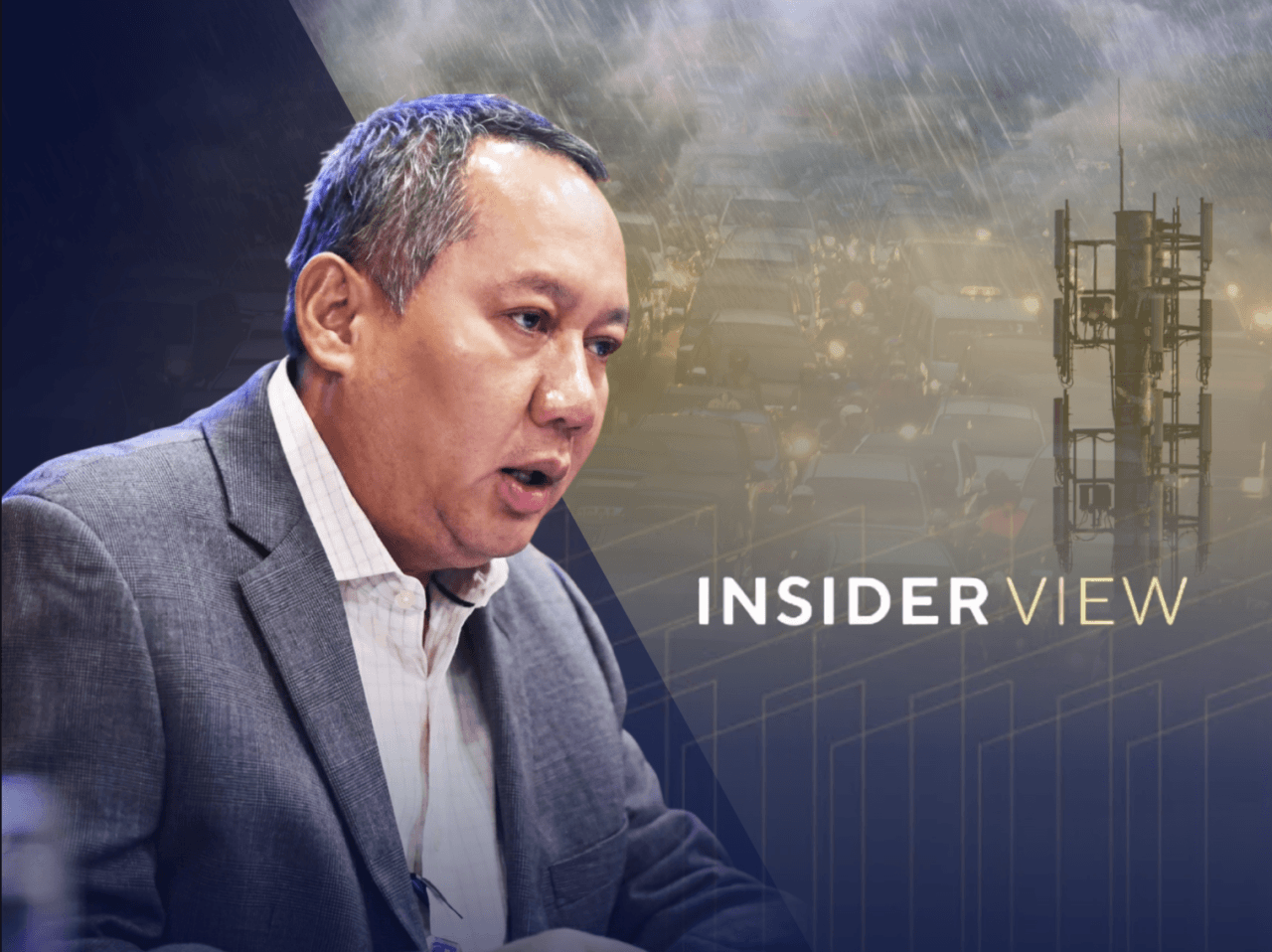
That being a Monday, scores of Metro Manila office-goers were stuck in traffic for hours. Also reported in the news is that millions of pesos worth of vegetables rotted in trucks and were just thrown away in Benguet as these trucks were stranded and unable to reach Metro Manila and key markets in Central Luzon due to flooded highways.
Living with the storms
Our country is right in the middle of the typhoon belt, and our Asian neighbors used to joke that one of the major exports of the Philippines is typhoons. Every monsoon season since time immemorial, our country braces for the wrath of these storms, and our people have put in their daily lives the contingencies to “weather” these, so to speak. In fact, Filipinos have added some humor into it.
Just like any other industry, the telco and digital industries bear the brunt of severe monsoons. Heavy rains and winds may topple the sturdiest of cell towers.
When networks go down
The torrents of rain, more often than not, soften the soil where the tower stands despite adherence to soil and environmental standards. The radios attached to the towers, which are responsible for the cell signal, may also topple or become misaligned due to high winds.
The collapse of the tower or the misalignment of the radio equipment will, of course, result in a service outage in the areas being served. Even if towers survive, service may still be disabled by a lack of electric power.
The radio equipment runs on electricity, and if the storm downs the electric grid, then sooner or later, the cell tower will go down as well.
The power problem
Alternative sources like generators can only run for a few hours, limited by their fuel capacity. Gensets are also discouraged by surrounding communities because of the noise they generate as well as concerns about safety in the storage of flammable fuel for their operation.
Mobile companies have yet to see the day when solar energy becomes reliable as a source of energy for towers. As of the present day, solar energy is still unstable for the use of cell towers, which require a continuous and consistent supply for their equipment.
Broadband fibers are also not spared by severe weather. Broadband lines passing through street poles are vulnerable to the elements, and even fibers embedded underground may be uprooted by floods.
The cost of an outage
We all know how passionate we Filipinos are when it comes to internet coverage, and much to the chagrin of many, they prefer the loss of water service to an internet outage.
Aside from infrastructure damage, mobile companies suffer revenue loss due to outages, and such revenue loss may amount to millions of pesos depending on the length of the outage. No mobile service means no mobile data to expend for subscribers, and currently, mobile data comprises about 80% of their revenues.
Moreover, an outage creates a situation where prepaid subs are prevented from loading credits, and such a situation will lead to huge revenue loss for mobile companies, more than 90% of whose customers are prepaid.
Changing how subscribers connect
Major typhoon warnings force many to work from home or at least attend classes online. For the more affluent mobile subscribers, they will latch on to their home Wi-Fi for internet the entire day, thus saving themselves the use of mobile broadband.
Again, no mobile data means less revenue. For the less affluent, their tendency is to search for a location with free Wi-Fi service. One major telco’s thrust now is to offer prepaid fixed broadband to respond to this subscriber gap.
Worrisome also for the mobile companies is the apparent behavioral shift, especially by prepaid subs.
The battle for loyalty
With new SIM cards cheap to purchase, prepaid subs will immediately shift to the telco that is still up and running or the one faster to restore its service and will leave their previous provider still in outage.
Thus, amid these weather disturbances and other calamities for that matter, the telco’s winning factor is having the most resilient network and determined teams that enable it to be the first to restore service after an area downtime.
Network subscribers will remember that consistency and will remain loyal. Unique to our country, subscriber loyalty is indeed a precious value to a mobile company.
Lessons from the pandemic
During the pandemic, the revenues of mobile companies dipped considerably as people stayed at home, using fixed broadband service at home instead. Fixed broadband accounts are usually postpaid, regardless of data consumption.
Mobile broadband data presupposes its use outside of the home.
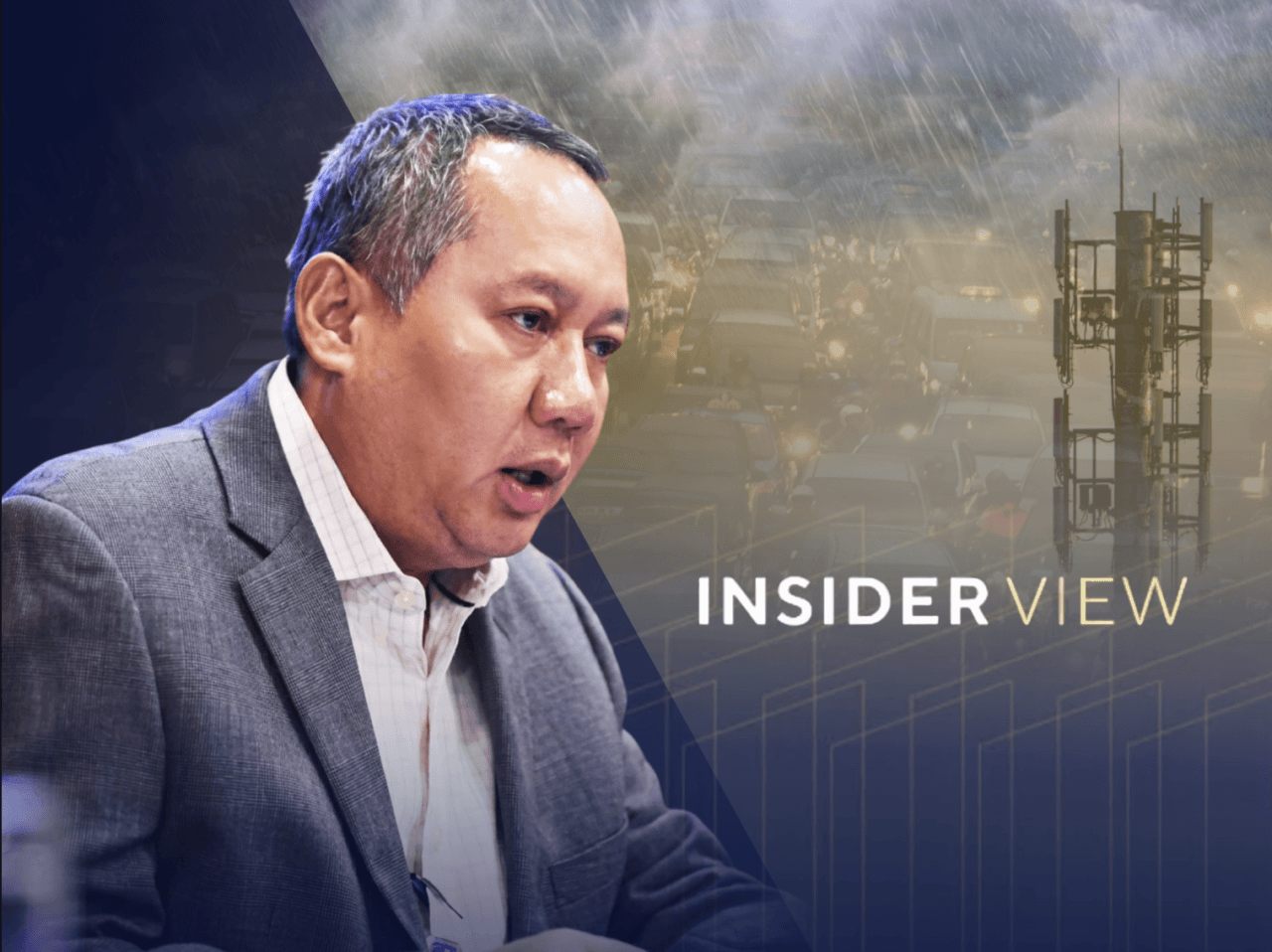
Froilan Castelo, a lawyer and longtime telco executive, knows the industry from the inside. But inspiration for this piece came from something far more familiar to Metro Manila commuters: spending hours stuck in traffic while trying to get home to Southern Metro Manila during a monsoon downpour this week.

General Counsel of the Globe Group and president of the Philippine Chamber of Telecommunications Operators