The 7.7 percentage-point drop translated to 256 million liters per day (MLD) of recovered water—roughly equivalent to the output of a water treatment plant and enough to meet the daily needs of more than 1.6 million people.
On a full-year basis, Maynilad posted a year-to-date average NRW of 34.9 percet, a five percentage-point improvement from 2024.
Operational push pays off
“This progress reflects the collective effort of our teams and the effectiveness of our multi-pronged approach to NRW reduction,” Maynilad chief operating officer Christopher J. Lichauco said in a statement.
He noted that every liter of water recovered improves system efficiency by reducing the need to overproduce treated water, allowing the company to optimize treatment, pumping, and distribution using existing assets.
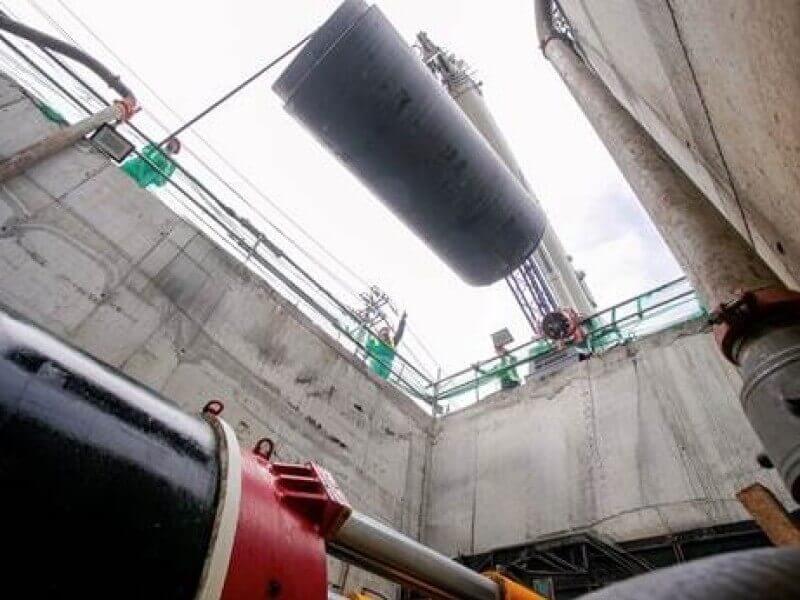
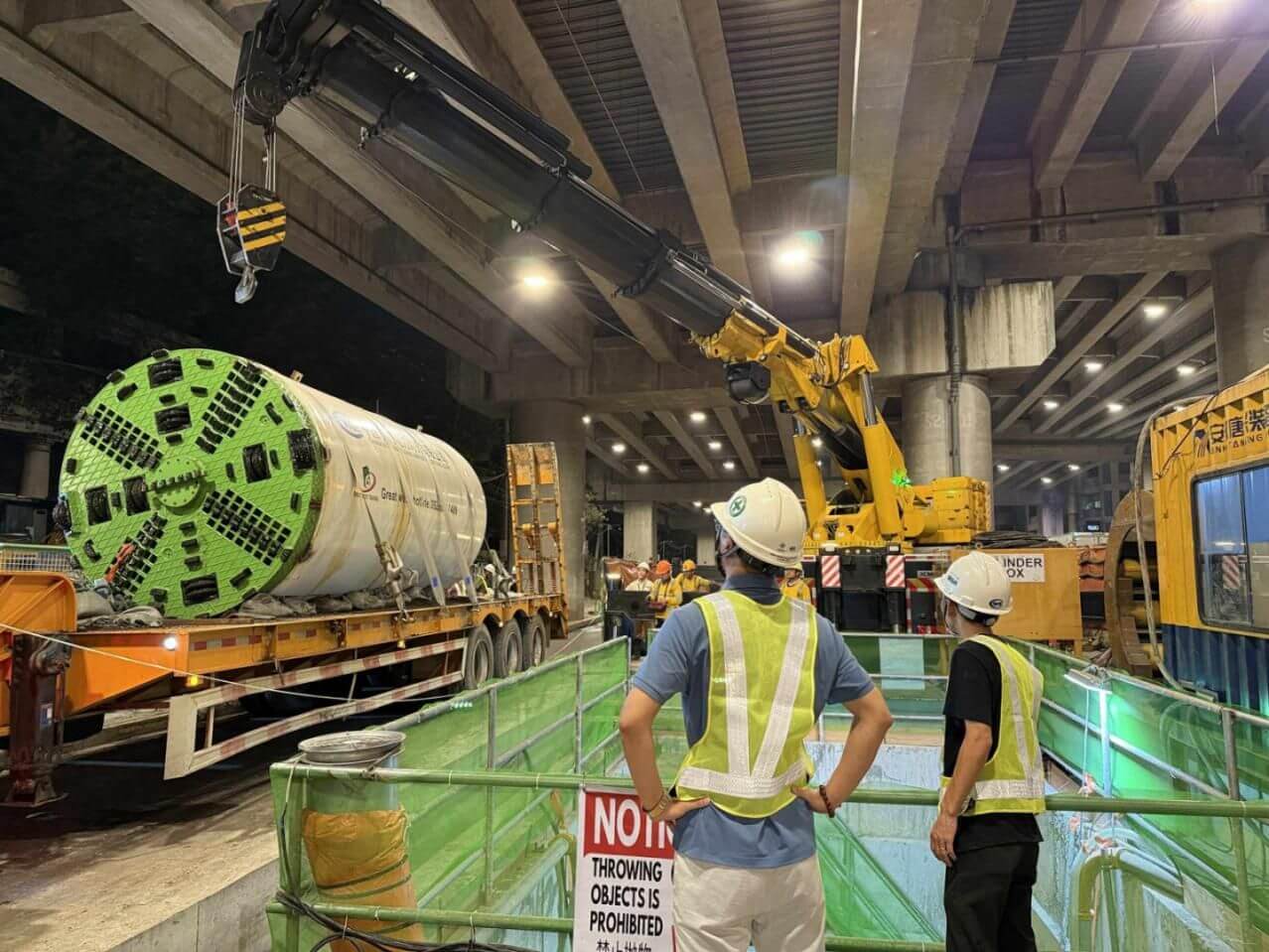
Throughout 2025, Maynilad scaled up leak detection, repair, meter replacement, and pipeline rehabilitation.
The company repaired more than 70,000 small leaks, a 22-percent increase from the previous year, addressed 206 large pipe leaks in primary distribution lines, and replaced 82 kilometers of aging pipelines in high-loss areas.
Tech-driven leak detection
Maynilad also expanded the use of technology-enabled solutions to boost field productivity, including AI-assisted leak localization through platforms such as Infrawise and the pilot deployment of GAILL (Geo-AI Leak Locator).
“These innovations helped optimize our field activities and allowed us to detect and resolve leaks faster—especially in areas where traditional methods are less effective,” said Central NRW head Engr. Ryan B. Jamora.
Toward 2027 targets
NRW reduction remains central to Maynilad’s service reliability strategy, with ongoing efforts aligned with its 2027 target of 25 percent NRW, as committed under its 2023–2027 rate rebasing business plan. —Ed: Corrie S. Narisma