Insider Spotlight
Why it matters
Women remain a driving force in the country’s small business sector, yet many continue to face structural barriers that limit growth. The partnership reflects a growing push to go beyond access to capital by embedding skills development and community support.
The backdrop
Micro, small and medium enterprises account for 99.5 percent of all formal businesses, employ about 63 percent of the workforce and contribute roughly 40 percent of economic output, according to data from the Department of Trade and Industry and the Philippine Statistics Authority.
In a company statement, Maya said expanding financial inclusion for women entrepreneurs requires both access to financial tools and the capability to use them effectively to sustain and grow their businesses.
Despite their strong presence, women-led enterprises lag in digital adoption. A 2023 Asian Development Bank study found only about 28 percent of women-led MSMEs use digital financial services, compared to 44 percent of male-led firms.
How it works
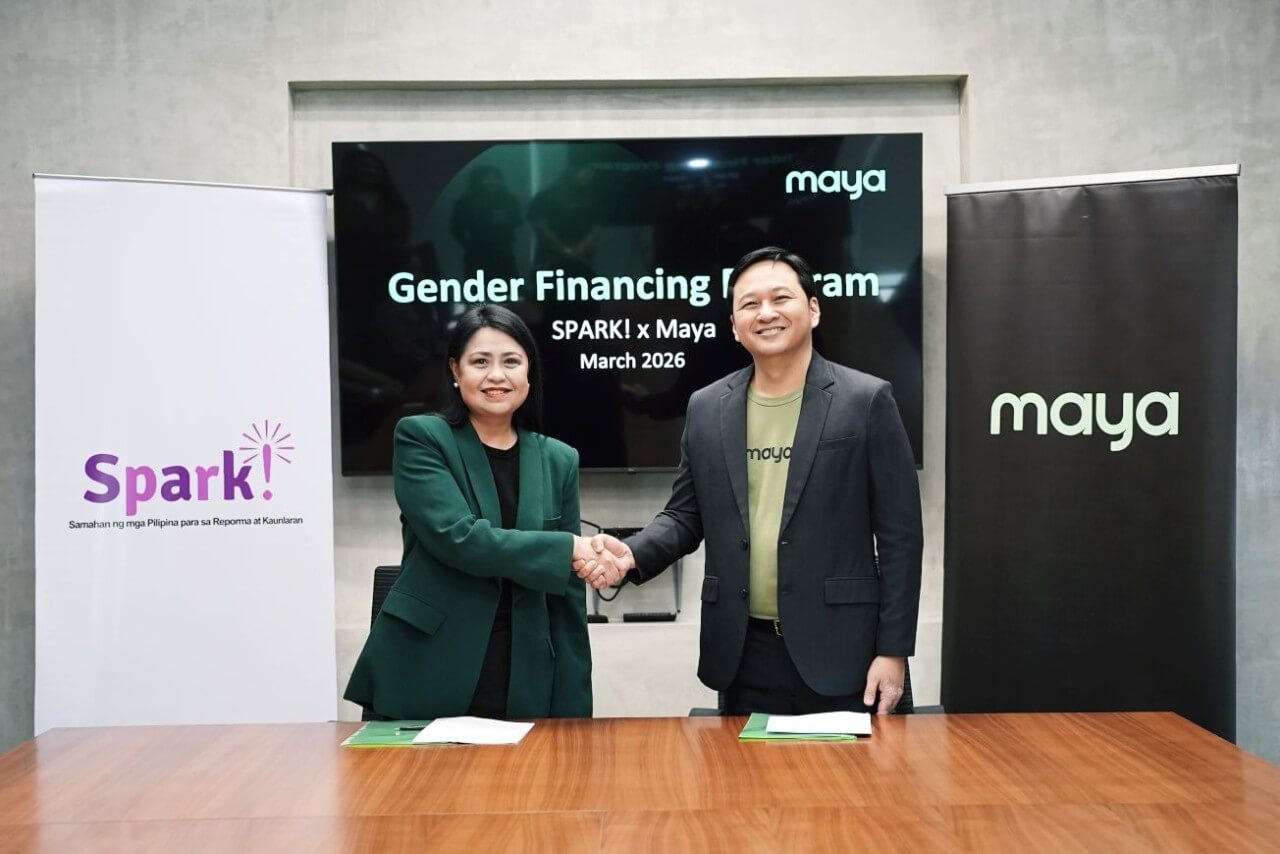
Maya will provide access to payments, savings and credit through its Maya Business app, enabling MSMEs to manage transactions and improve cash flow. SPARK! Philippines will complement this with training, mentorship, advocacy and community-based support.
Maya’s network highlights the opportunity. More than 90 percent of its nationwide Maya Centers are operated by women, many of whom run sari-sari stores and other neighborhood businesses.
What they're saying
“This is a segment that remains underserved despite its scale,” said Toff Rada, head of Corporate Affairs at Maya. “Our focus is to provide women-led micro businesses with practical tools and support, including financial education, that can help them manage daily operations and build more sustainable income over time.”
“Women micro-entrepreneurs are already driving economic activity in their communities, but many still face barriers beyond access to financing,” said Maica Teves, executive director of SPARK! Philippines. “By working with Maya, we aim to bring training, mentorship and community-based support closer to them, helping strengthen and sustain their businesses.”
The bottom line
The collaboration underscores a broader shift toward inclusive finance models that integrate technology with hands-on support, aiming to unlock more resilient growth for women-led enterprises. —Princess Daisy C. Ominga | Ed: Corrie S. Narisma