Insider Spotlight
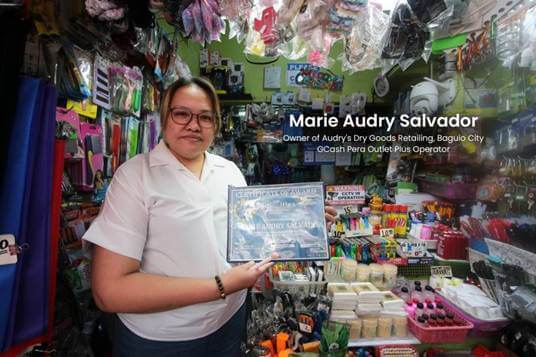
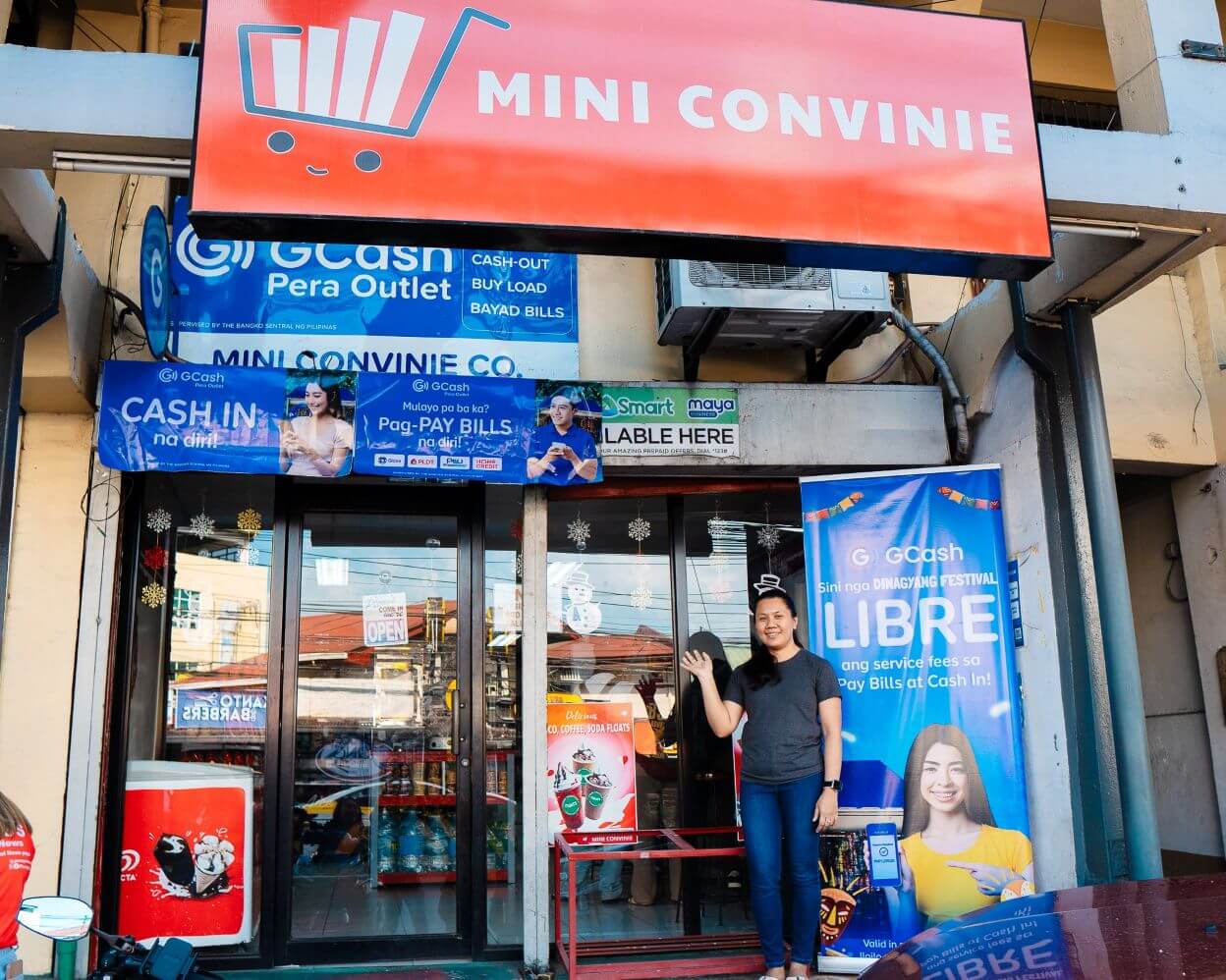
This Women’s Month, the finance super app said its GCash Pera Outlet program is giving women-led neighborhood stores a new way to generate “dagdag kita” (additional income) by offering services such as cash-in, cash-out, bills payment, and mobile load.
The model allows sari-sari stores and other small businesses to become local digital transaction hubs while earning commissions from each service they facilitate.

Why it matters
Women already dominate a large share of the country’s nano, micro, and small enterprise segment, but many still operate with limited access to digital financial tools and more formal income streams.
GCash is positioning Pera Outlet as a way to close that gap while supporting broader financial inclusion.
According to Barbara Dawn “Barbie” Rodriguez-Dapul, chief operations officer and general manager for consumer business of G-Xchange Inc., the mobile wallet operator of GCash, women are naturally at the center of community-based commerce.
“Nano and micro businesses in the Philippines are often neighborhood stores, and the face of these community-based businesses is generally female,” Dapul explained.
“If you go to a sari-sari store, more often than not, you would see a woman handling or managing the store.”
By the numbers
GCash said women make up more than 73 percent of its Pera Outlet partners, above the national average for women ownership in the small business segment.
The company said this signals stronger participation by women entrepreneurs in digital finance-enabled livelihoods.
“When we looked at the skew of female owners among GCash Pera Outlet operators, it really over-indexes versus the national average,” she said.
“This means we’re empowering more women to have additional income.”
The bigger picture
Beyond added earnings, GCash said the platform helps microbusiness owners separate personal and business funds, build digital transaction histories, and strengthen trust through official signage and merchant tools.
“Our mission is financial inclusion—finance for all,” Dapul said. “We want to reach beyond the cities and bring digital services to more communities.” —Ramon C. Nocon | Ed: Corrie S. Narisma