Insider Spotlight
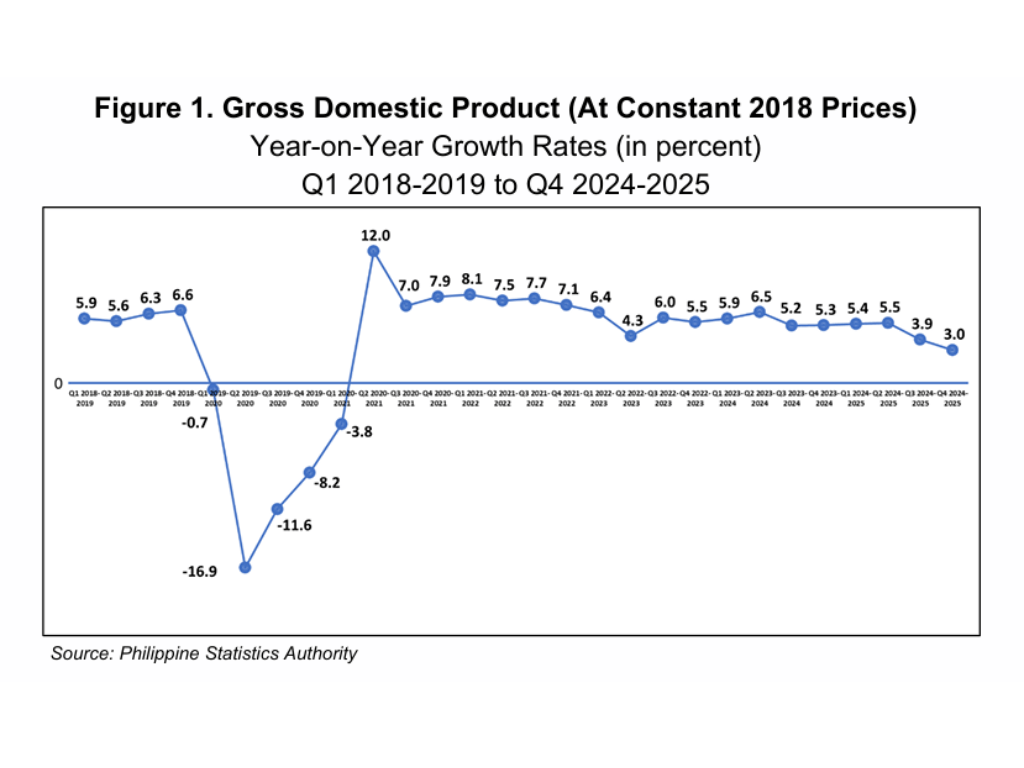
Gross domestic product expanded by just 3.0 percent year on year in the fourth quarter, the slowest pace in 2025 and well below historical fourth-quarter norms, according to the Philippine Statistics Authority on Thursday, Jan. 29, 2026.
The slowdown was broad-based but most acute in areas directly linked to public sector activity.
This number capped the full year 2025 economic expansion of the Philippines to only 4.4 percent — a far cry from the 5.5-6.5 percent growth rate the government was targeting before the flood control corruption scandal erupted in the middle of last year.
Why it matters
The fourth quarter typically benefits from frontloaded government disbursements, holiday-driven consumption, and peak construction activity. Instead, the economy lost momentum precisely where it usually accelerates, raising concerns about governance, execution risks, and confidence effects.
The big drag: construction
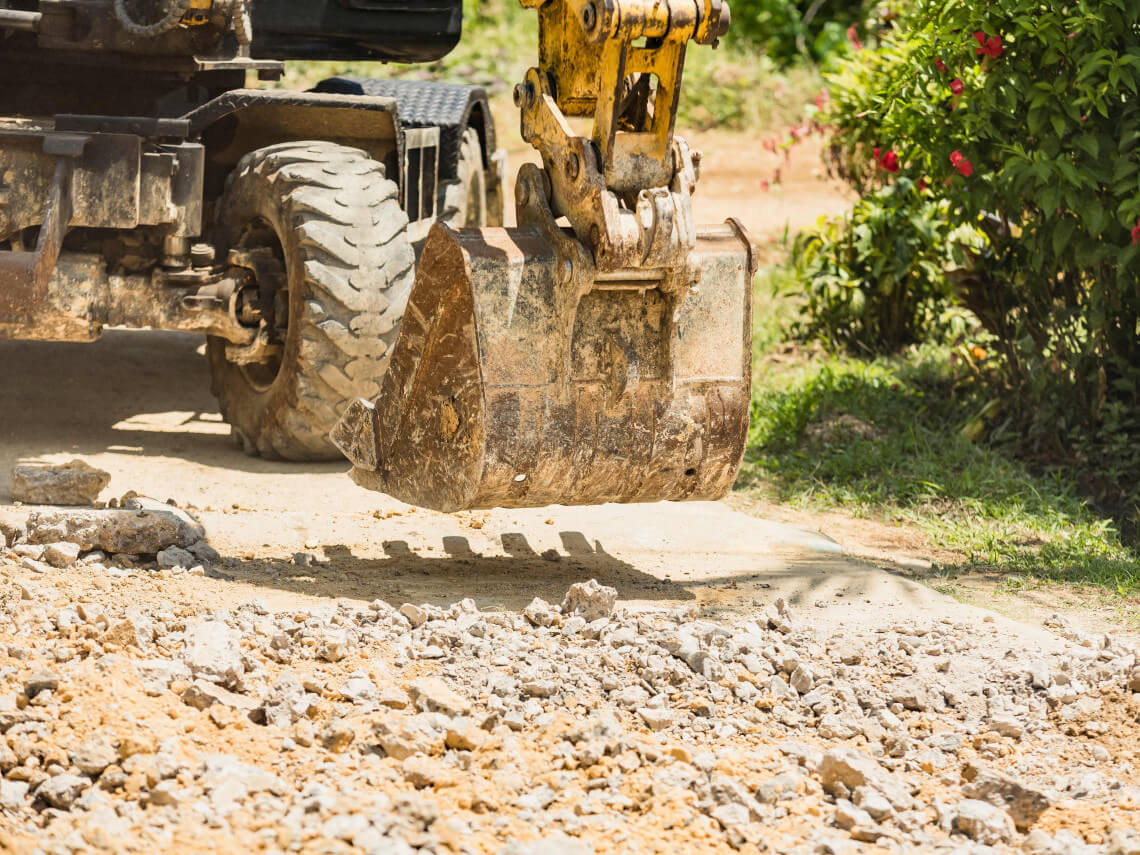
Industry contracted 0.9 percent year on year in the fourth quarter, with construction plunging 7.1 percent. The PSA traced this collapse to a staggering 41.9-percent drop in general government capital formation in construction. This single component was the dominant factor pulling down both industry output and overall investment.
Between the lines
The timing of the pullback coincided with heightened scrutiny and delays following the flood control corruption scandal, which disrupted project approvals, disbursements, and on-the-ground execution. What should have been a peak building season instead turned into a freeze.
Investment slump deepens
Gross capital formation declined 10.9 percent year on year in the fourth quarter, reversing growth seen a year earlier. Construction alone fell 10.1 percent, while only intellectual property products posted modest gains. On a full-year basis, capital formation still contracted, signaling lasting damage to investment momentum.
Consumption loses steam
Household final consumption expenditure slowed to 3.8 percent growth, down from 4.7 percent a year earlier. While food, transport, and services continued to grow, the deceleration suggests rising caution among consumers as public sector activity weakened and inflation pressures lingered.
Services no longer enough
Services growth eased to 5.2 percent from 6.7 percent a year earlier. Trade, finance, and public administration still expanded, but at slower rates, limiting their ability to offset the collapse in construction and investment.
Government spending retreats
Government final consumption expenditure grew just 3.7 percent in the fourth quarter, sharply down from 9.0 percent a year earlier. The slowdown underscores how fiscal restraint — voluntary or forced by scandal-driven delays — fed directly into weaker aggregate demand.
Bottom line
The fourth-quarter GDP disappointment was not a mystery shock. It was the predictable outcome of stalled government construction, weaker public spending, and knock-on effects on services and households, all unfolding in the shadow of the flood control corruption scandal.
— Edited by Daxim L. Lucas