Insider Spotlight
Travelers are pushing ahead with holiday plans even as global oil and energy price pressures threaten to raise travel costs, underscoring the resilience of leisure demand in 2026.
Why it matters
The extended holiday is no longer just a religious and family observance. Early Holy Week data suggests travel remains a priority expense for many Filipinos, signaling sustained momentum for airlines, hotels, and tourism operators.
By the numbers
Outbound travel demand among Filipinos climbed 50 percent year-on-year for Holy Week 2026, signaling strong appetite for overseas trips. Domestic bookings also grew 25 percent, underscoring continued reliance on local destinations.
Where they are going
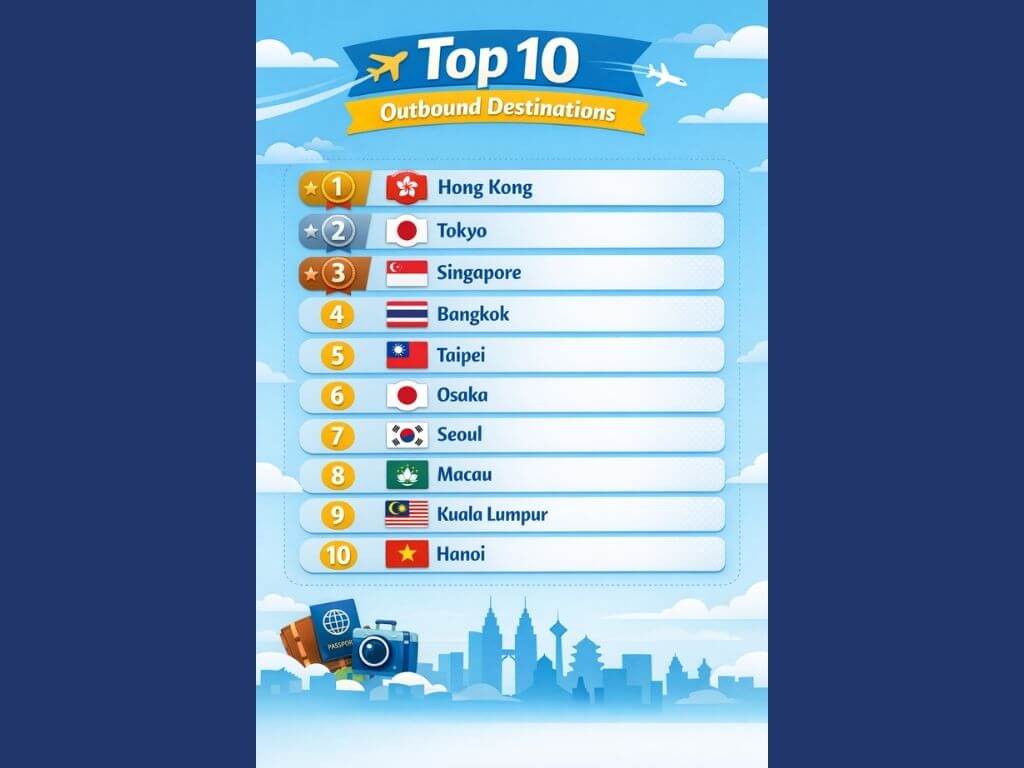
Asian hubs remain the top choices for Filipino travelers, with Hong Kong, Tokyo, and Singapore leading the list. Bangkok and Taipei round out the top five, reflecting a preference for short-haul, experience-rich destinations.
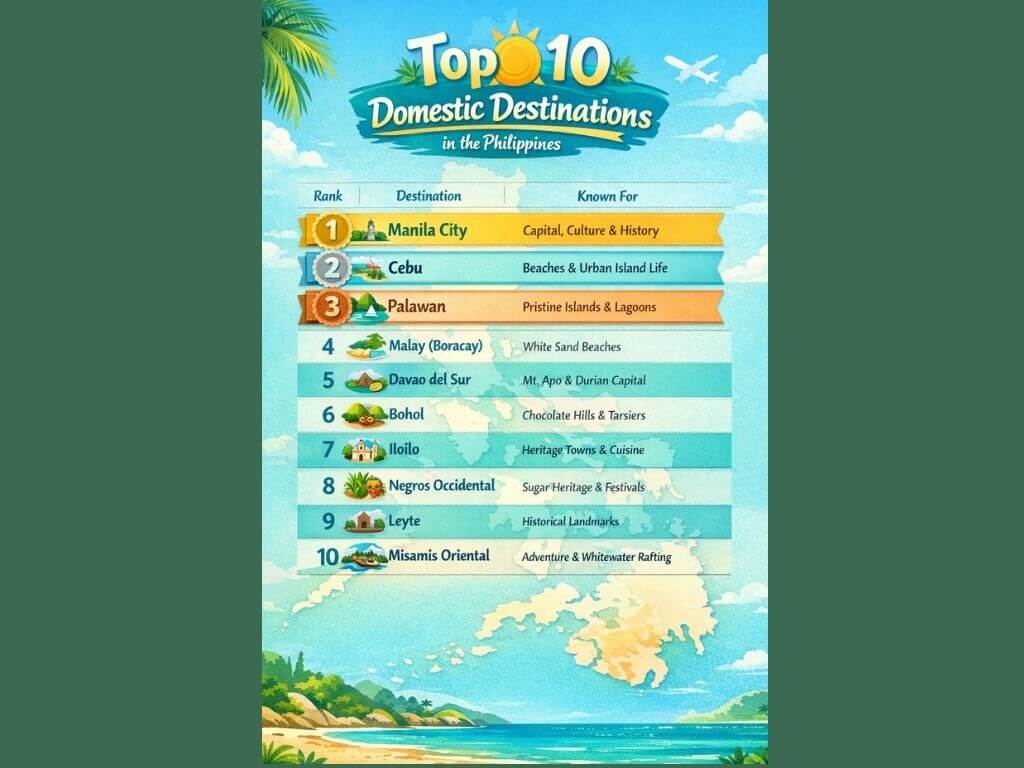
At home, Manila, Cebu, Palawan, and Boracay continue to anchor domestic travel, blending leisure trips with traditional hometown visits during the holiday period.
Planning ahead
Travel behavior is evolving. Nearly 70 percent of bookings are now made by solo travelers, pointing to a rise in independent, self-directed trips. Meanwhile, women account for about 60 percent of travelers, and professionals aged 35 to 49 lead demand.
Filipinos are booking earlier, with trips planned roughly 74 days in advance. Good Friday is expected to be the busiest departure date, as travelers maximize the long break.
Longer stays
Average trip duration is nearing 10 days, reinforcing a shift away from quick getaways toward extended vacations that combine multiple destinations or experiences.
Bottom line
The rise of independent travel suggests consumers are finding ways to navigate cost pressures without sacrificing experiences—prioritizing flexibility, deal-hunting, and personalized itineraries.
Current data signals a clear trend: even in the face of rising energy costs, Filipino travelers are not staying home—they are adapting and continuing to explore. —Vanessa Hidalgo | Ed: Corrie S. Narisma