Insider Spotlight
The developer said demand continues to be driven by end-users seeking affordability, accessibility and long-term value, even as some investor-focused segments of the property market adjust to changing market conditions.
Why it matters
Rental yield is a key consideration for investors evaluating property purchases because it measures the income a property can generate relative to its value. Empire East, however, said its core market is less dependent on rental returns because most of its buyers are purchasing homes to live in rather than lease out.
In a statement issued following its annual stockholders' meeting on June 9, the company said post-pandemic shifts in buyer behavior have reinforced demand from homebuyers prioritizing practical housing needs over investment-driven considerations.
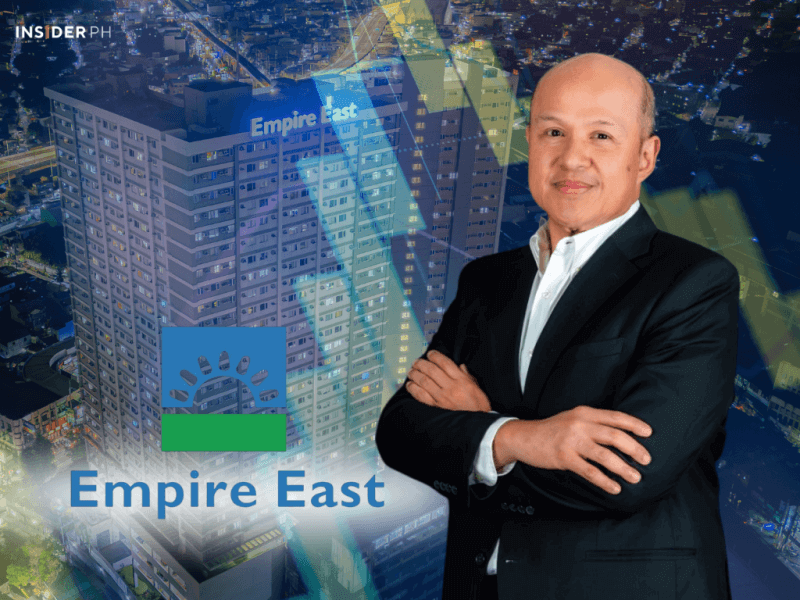
"For investor-driven segments of the real estate market, rental yield is a primary consideration," president and CEO Atty. Anthony Charlemagne C. Yu said.
"In our case, most buyers are end-users, so their decision is less dependent on rental returns and more on livability and long-term value."
The company said rental demand remains present in strategically located developments with strong accessibility, but added that it is not the primary driver of demand within its target market.
By the numbers
Empire East generated P5.39 billion in revenue in 2025 while maintaining healthy collections that support ongoing project development and future growth initiatives.
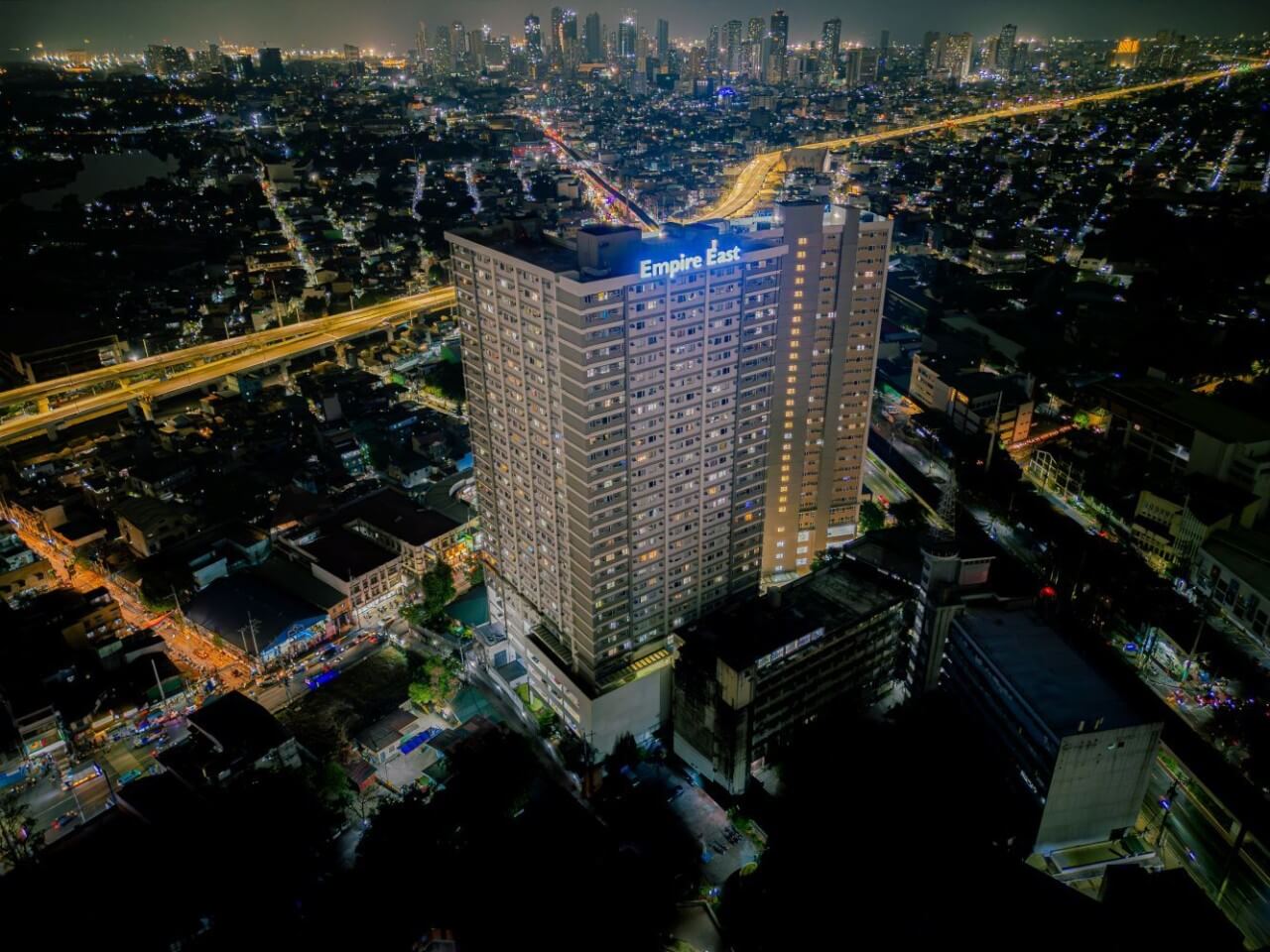
Construction activity remained active throughout the year, supported by more than P4.11 billion in engagements with contractors and suppliers. The company also completed and turned over The North Residences at Covent Garden in Manila and the East Tower of Mango Tree Residences in San Juan, adding more than 800 condominium units to its portfolio.
Empire East continues to advance several residential developments, including Pioneer Woodlands and The Paddington Place in Mandaluyong, Kasara Urban Resort Residences in Pasig, and its flagship township project, Empire East Highland City.
The company also strengthened access to home financing through its advancement to Pag-IBIG Window 1 status, helping streamline financing processes for prospective buyers.
The bottom line
Empire East said its strategy remains focused on serving genuine housing demand through accessible and sustainable communities, arguing that long-term occupancy and community-building continue to underpin value in its core mid-income market. —Princess Daisy C. Ominga| Ed: Corrie S. Narisma