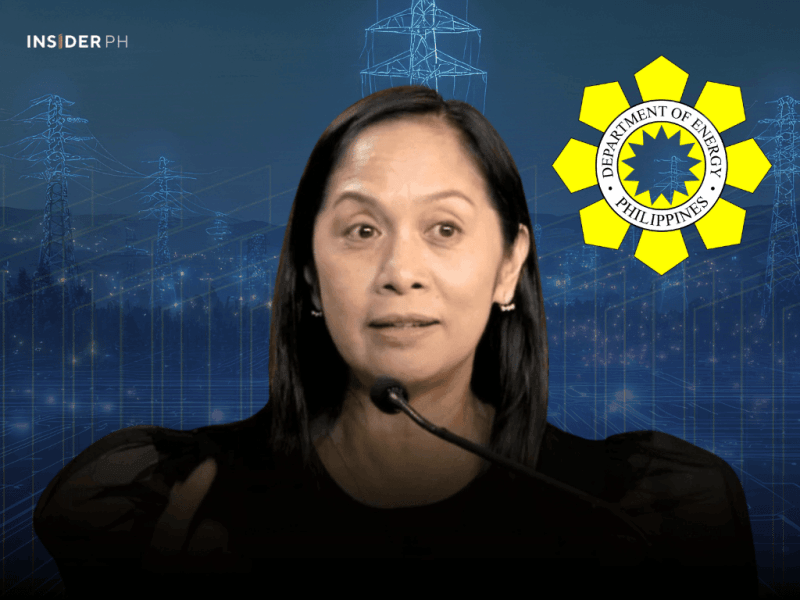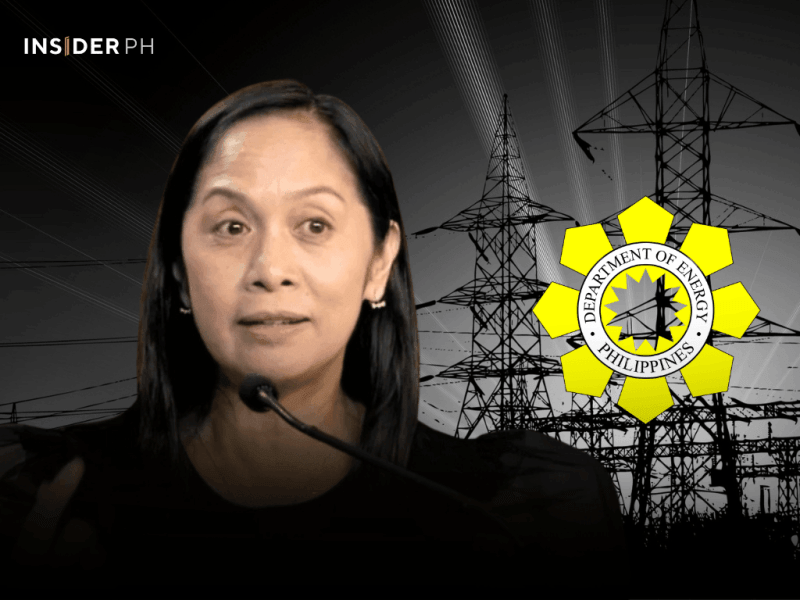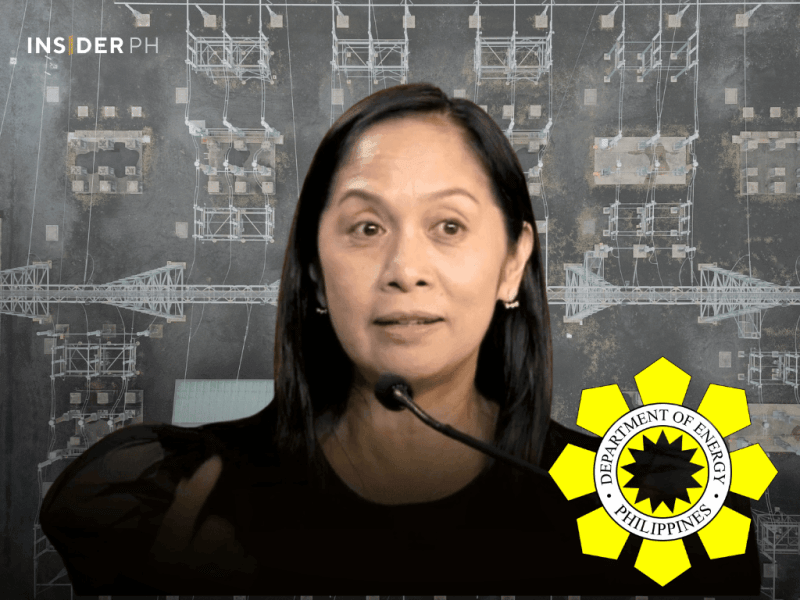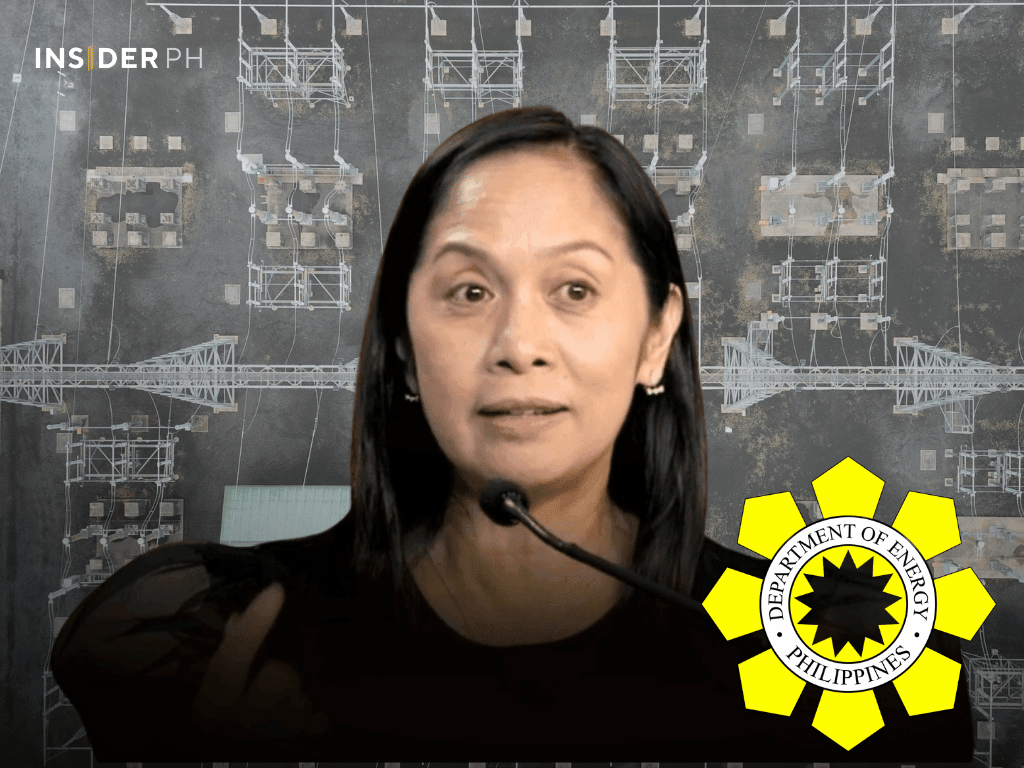
In an online news conference, Energy Secretary Sharon Garin said the DOE would scrutinize the performance of power generation companies in three critical areas—the Visayas, Mindoro and Palawan—where reliability issues have raised concerns over power supply.
Garin said the Visayas has been hit by frequent red and yellow alerts due to forced outages at several power plants. In Mindoro, some plants have failed to deliver power when needed, while in Palawan, generation companies have failed to comply with directives from the DOE and the Energy Regulatory Commission (ERC).
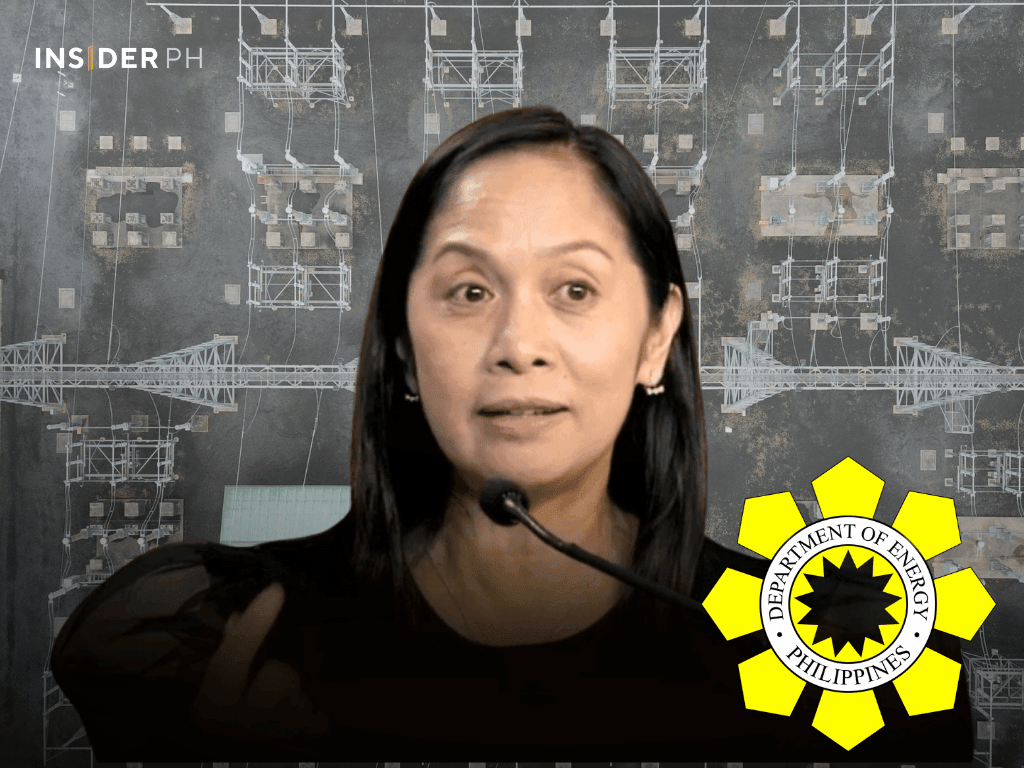
She stressed that expanding the country’s generation capacity would mean little if power plants connected to the grid could not deliver electricity when needed.
“For too long, prolonged and unscheduled outages have put pressure on the power system,” she said. “We are therefore strengthening accountability across the entire life cycle of a power plant, from the standards under which it is built to how it performs once operational, to the conditions attached to the permits, endorsements, and contracts issued by the government.
Directives
Garin said she had issued four directives to minimize unscheduled and prolonged plant outages, strengthen long-term grid stability and underscore that reliability comes with accountability.
“Strengthening regulation and accountability are the necessary instruments to stabilize our grids. The principle is simple: If generation companies make commitments to the DOE, to the ERC, to distribution utilities or electric cooperatives in the power system, they must be accountable for delivering on those commitments,” she added.
The first directive tasked the DOE’s Electric Power Industry Management Bureau (EPIMB) with reviewing engineering and design standards for all types of power plants.
The DOE chief cited cases of coal-fired power plants that could not withstand the extreme heat generated by coal combustion, as well as a hydropower plant that had been out of operation for six months due to a design flaw.
The assessment will determine whether existing standards remain adequate for technologies currently used in the power system and whether stricter requirements are needed to improve plant reliability and performance.
Performance audit
The EPIMB and the Renewable Energy Management Bureau (REMB) were also directed to audit the performance of power plants under their respective jurisdictions, as installed capacity on paper does not necessarily reflect their actual ability to deliver power when needed.
The Energy Secretary said there is a direct correlation between the age of power plants and the frequency of outages, adding that the DOE might as well cancel the licenses of older plants that consistently failed to deliver their required capacity.
Garin said she also ordered the DOE’s legal services unit to comprehensively review the conditions attached to certificates of endorsement, certificates of confirmation of commerciality, service contracts and other relevant DOE-issued instruments.
The department, she added, needs to determine whether the conditions stipulated in these instruments should be strengthened, accountability provisions made clearer and the terms attached to government approvals tightened to better protect consumers and ensure the reliability of the power system.
Garin likewise called for a review of the validity period of all certificates of endorsement issued by the DOE, noting that these are currently “perpetual.”
“We need to review that, and there has to be a regular review every few years of the performance of each power plant to determine if they still deserve to have our endorsement.”
Sanctions
The fourth directive tasked the DOE’s legal services unit and EPIMB with developing stronger accountability measures for erring generation companies. These include reviewing existing penalties, imposing tougher sanctions on serious or repeat violators and establishing clear grounds and procedures for blacklisting companies where warranted.
“Government approvals come with responsibilities. A permit, endorsement, or service contract from building cannot simply be treated as a piece of paper,” she stressed.
“When the government grants a company the privilege to participate in our sector, we expect that company to deliver on its commitment and comply with the standards and conditions that come with that privilege. Hindi po yan regalo (It is not a gift). It is a privilege.”
NGCP should catch up
With hundreds of renewable energy projects in the pipeline amid the government’s push for cleaner energy, Garin said the DOE was pressing the National Grid Corporation of the Philippines (NGCP) to accelerate upgrades to the country’s transmission network.
She said many transmission projects had already been approved but had yet to be completed and delivered on schedule.
“This is a call for the NGCP to move,” said Garin.
While NGCP said it had invested P300 billion in transmission projects, Garin noted that the amount was spread over 25 years, equivalent to only about P12 billion annually, compared with the company’s annual dividends of P20 billion.
“Kulang ang investment nila. Hindi naman nila gastos yan, gastos yan nang taong bayan (their investment is lacking. Besides, they are not the one spending for the transmission projects but it is paid by the people). Every time we add to the grid, there is an additional charge in our transmission charges. Tingnan nyo po yan sa Meralco (look at your Meralco bill). They have to catch up.” —Ed: Corrie S. Narisma

Contributor