Insider Spotlight
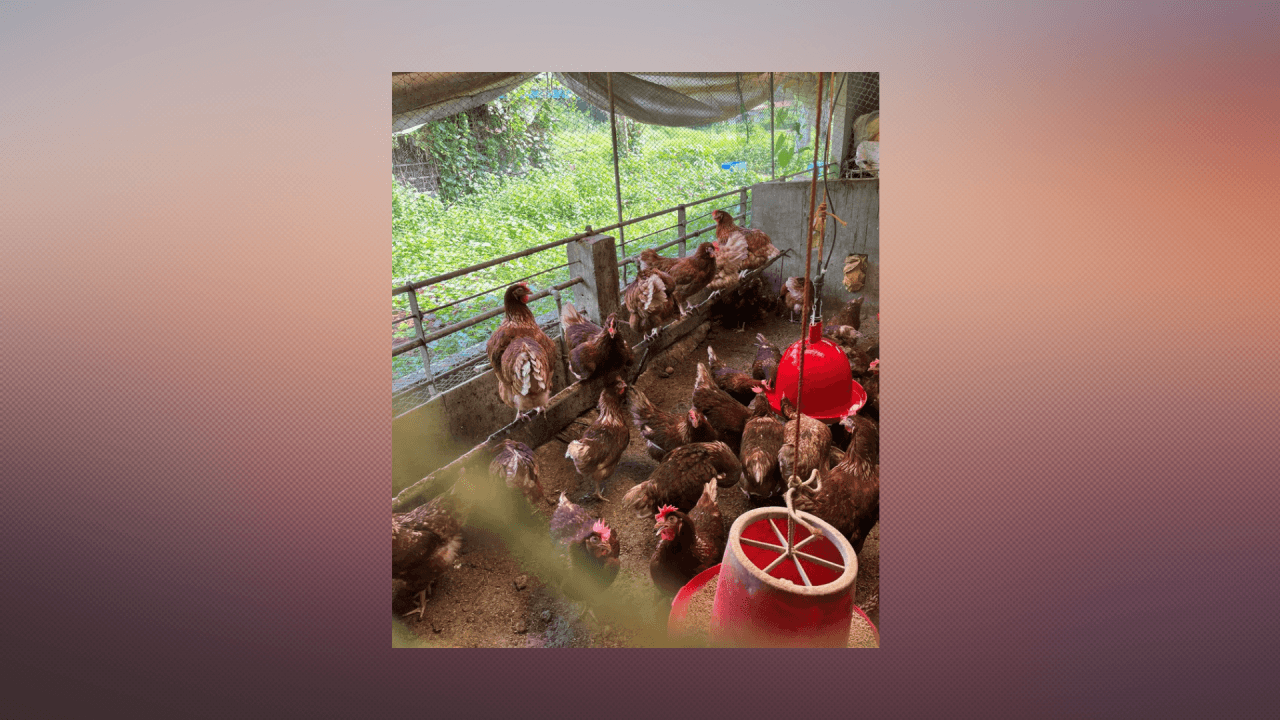
In a statement, the agency said cage-free and free-range systems offer viable alternatives to conventional cage-based egg production while addressing growing consumer demand for ethically sourced and environmentally sustainable food products.
The BAI also reaffirmed its commitment to advancing animal welfare and encouraging sustainable livestock and poultry production.
The big picture
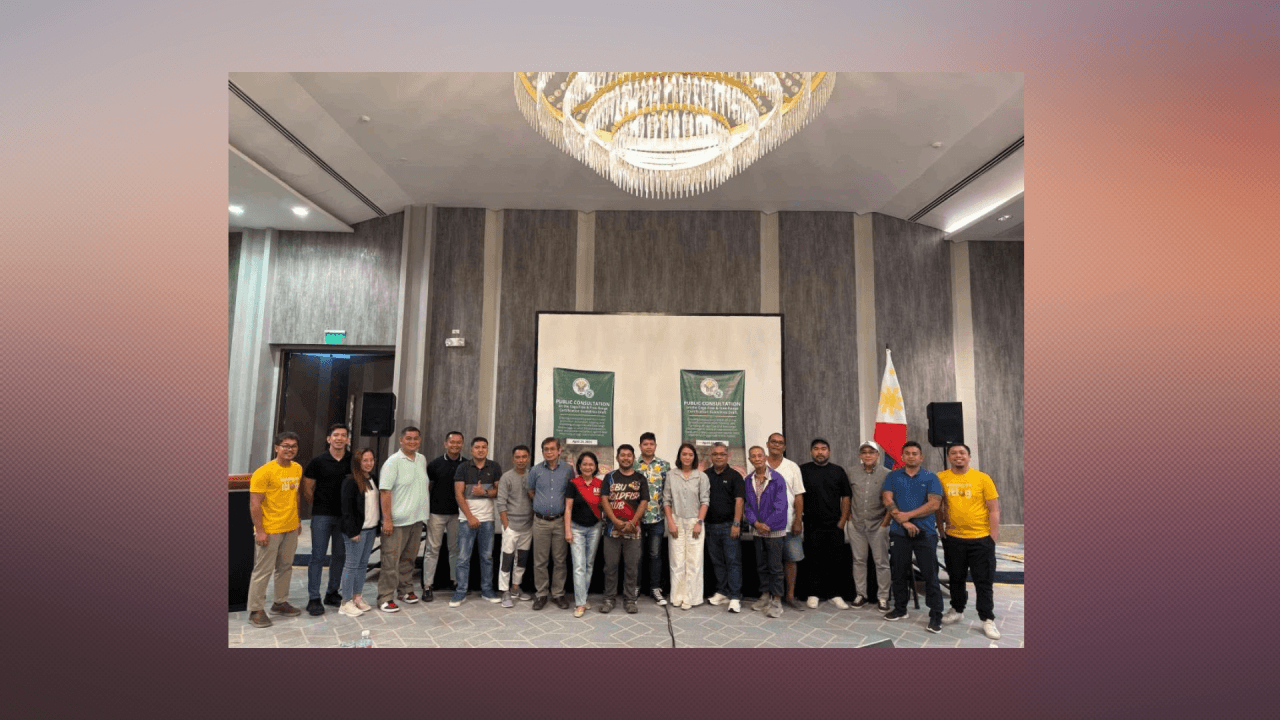
The Bureau said it has maintained a longstanding partnership with Animal Kingdom Foundation (AKF) in developing certification standards and conducting capacity-building initiatives aimed at improving the welfare of farm animals.
"Transitioning toward cage-free systems is not only a humane choice but a strategic step toward aligning the Philippine agricultural sector with global sustainability goals," Bureau of Animal Industry OIC director Dr. Anthony Bucad said in a statement.
The BAI said cage-free and free-range production supports the United Nations Sustainable Development Goals, particularly SDG 12 on Responsible Consumption and Production and SDG 15 on Life on Land.
The agency also encouraged local egg producers to explore higher-welfare production models to strengthen industry standards and improve the long-term sustainability of the country's poultry sector.
Why it matters
The Bureau's statement marks one of the strongest public endorsements to date by a Philippine agricultural agency of cage-free and free-range egg production systems, reflecting increasing attention to farm animal welfare within the livestock and poultry industry, Animal Kingdom Foundation said in a release.
Animal Kingdom Foundation president and program director Atty. Heidi Caguioa said the organization and the BAI have worked together to raise awareness and promote practical, science-based approaches to improving conditions for laying hens.
"The statement marks one of the strongest public endorsements to date by a government agricultural agency of cage-free and free-range egg production systems, reflecting increasing attention to farm animal welfare within the Philippine livestock and poultry industry," Caguioa said.
AKF said it will continue engaging industry stakeholders through dialogue, education, and collaboration as consumer awareness and demand for ethically sourced and sustainably produced food continue to grow. —Princess Daisy C. Ominga| Ed: Corrie S. Narisma