Insider Spotlight
For decades, poultry farms in the province have relied on conventional battery cage systems to meet a substantial share of national demand. That model is now being challenged by rising calls for improved animal welfare and more sustainable agricultural practices.
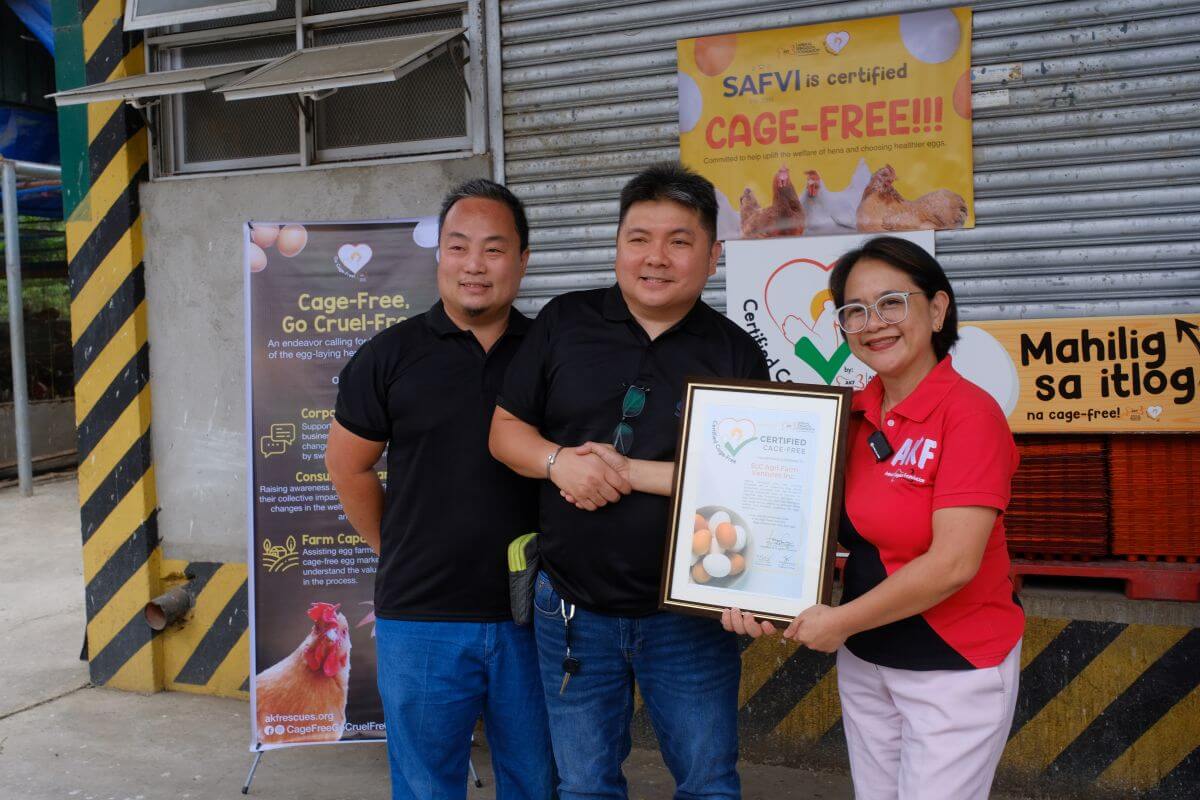
The Animal Kingdom Foundation (AKF) announced the certification of the first cage-free egg house in Batangas, operated by SLC Farm Agriventures Inc. (SAFVI) in San Jose town.
Why it matters
The development signals that even large-scale producers in a key supply hub can transition to cage-free systems while maintaining commercial viability.
Cage-free production allows laying hens to move freely within enclosed housing systems, a shift advocates say improves animal welfare compared with traditional cages.
“Transitioning was not an overnight decision,” shared Wilson Ang, owner of SLC Farm Agriventures Inc., in a company release.
“Years ago, we explored free-range and alternative systems, but there simply wasn’t enough market demand. Today, that has changed. Hotels are actively asking for cage-free eggs, and I can personally attest to that demand. The market is finally ready.”
Demand driver
SLC Farm’s cage-free eggs are now being supplied to hotels that have adopted sustainability targets and responsible sourcing policies.
By shifting procurement standards, hospitality players are helping create a stable market for cage-free products, aligning environmental and social commitments with purchasing decisions.
Behind the shift
According to Atty. Heidi Caguioa, program director of AKF, the certification represents years of groundwork with producers.
“This is a breakthrough in our work of encouraging producers to take the leap toward cage-free systems,” she said.
“Behind this milestone is extensive groundwork — educating farmers on standards, addressing operational and cost concerns, and building confidence that the market would respond.”
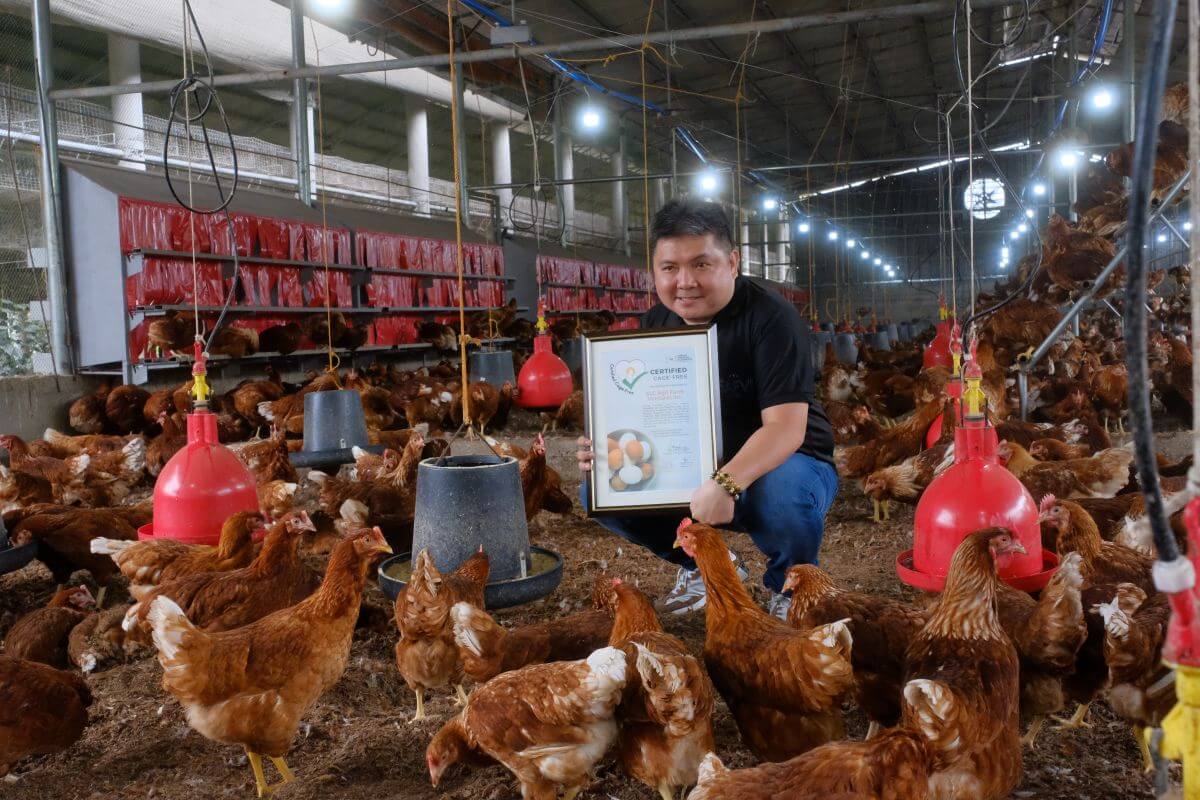
AKF supported SLC Farm through consultations, technical discussions, and on-site assessments to help ensure compliance with animal welfare standards while keeping operations practical for local conditions.
The bigger picture
AKF said it aims to make cage-free systems a mainstream component of sustainable food production in the Philippines, balancing animal welfare, business viability, and evolving consumer demand.
For Batangas, the milestone could mark the start of a broader industry transition in one of the country’s most important agricultural provinces. —Princess Daisy C. Ominga | Ed: Corrie S. Narisma