The regional food and agribusiness company said it was adopting a proactive approach to securing raw materials, managing inventories and coordinating logistics to maintain a reliable food supply amid climate and market uncertainties.
According to the National Disaster Risk Reduction and Management Council (NDRRMC), El Niño has affected nearly 451,000 people nationwide, with agricultural losses and damage reaching P6.5 million.
The Philippine Atmospheric, Geophysical and Astronomical Services Administration (PAGASA) expects El Niño conditions to persist into early 2027, potentially affecting agricultural production, commodity availability and distribution.

Supply chain preparedness
Aboitiz Foods first vice president for supply chain Teddy Deocares said food security required long-term planning and stronger coordination among producers, suppliers and distributors.
“Food security is not just about having enough food available today. We also need to consider how reliably we can produce and distribute food, and how we can withstand disruption and continue serving communities over time,” Deocares said.
“That requires us to look ahead, understand potential risks, and work closely with our partners to maintain continuity across the supply chain,” he added.
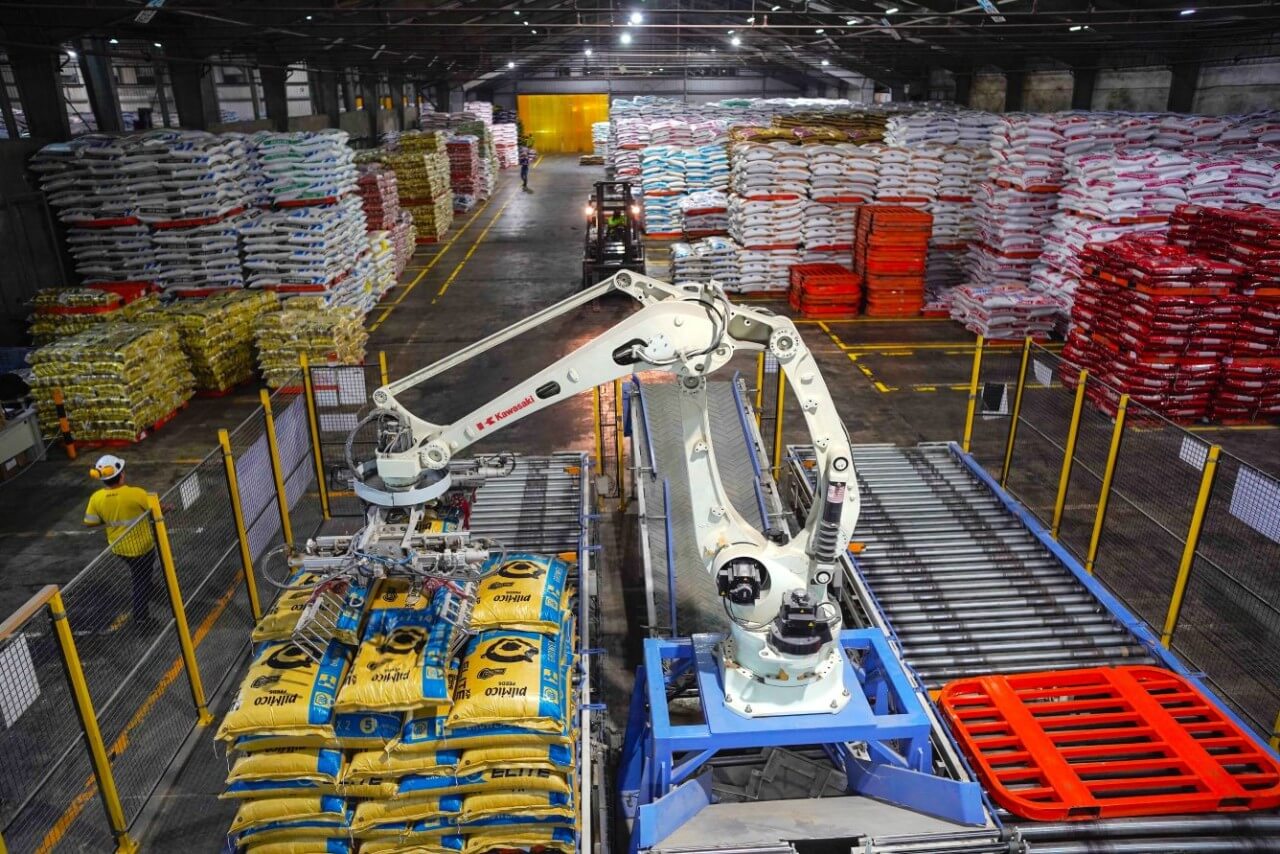
Operating across eight countries, Aboitiz Foods monitors commodity prices, shipping conditions and market developments to anticipate potential disruptions.
The company also coordinates with suppliers on advance purchasing arrangements and assesses inventory requirements for essential ingredients.
Other measures include managing water availability, maintaining feed quality and coordinating operational responses across business units.
These initiatives are intended to minimize interruptions in animal nutrition production and support livestock producers who depend on consistent feed supplies.
Rising production costs
Beyond climate-related risks, Aboitiz Foods identified geopolitical tensions in the Middle East as another challenge affecting fuel, freight and raw material costs.
Higher logistics and production expenses can put additional pressure on agribusinesses already dealing with volatile commodity prices and uncertain agricultural output.
The company also raised concerns about the financial difficulties facing Philippine hog raisers, particularly when farmgate prices fall below production costs.
Such conditions can weaken producers' ability to sustain operations, invest in improvements and maintain domestic pork production.
“A resilient food system must work for consumers, farmers, and businesses to remain sustainable over the long term,” Deocares said.
He emphasized the importance of public-private cooperation in addressing production challenges and keeping food affordable.
Expanding local capacity
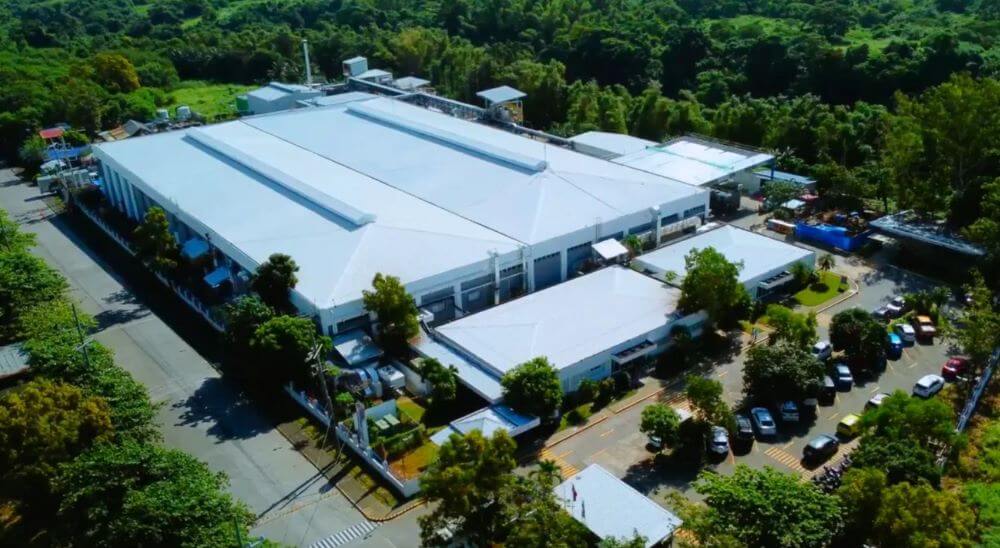
To strengthen its domestic manufacturing network, Aboitiz Foods is developing a Pilmico feedmill at West Cebu Estate in Balamban, Cebu.
The planned facility is expected to increase production capacity and complement the company's existing feedmill in Iligan City, which supplies customers across the Visayas and Mindanao.
The additional capacity is intended to improve operational flexibility and strengthen the distribution of animal nutrition products.
In Butuan City, Aboitiz Foods, through subsidiary Pilmico Animal Nutrition Corp., is also working with partners to reopen a meat-cutting facility.
Once operational, the plant is expected to supply fresh pork to restaurants, food businesses and households.
The company said investments in local manufacturing and processing would help strengthen its ability to respond to changing market conditions.
Shared responsibility
Aboitiz Foods also stressed that building a resilient food system requires cooperation among businesses, government agencies, farmers and consumers.
Deocares encouraged households to reduce food waste, conserve water and avoid unnecessary stockpiling.
“Even at the household level, simple practices such as reducing food waste, using food and water responsibly, and avoiding unnecessary stockpiling can make a difference. Collectively, they contribute to how responsibly we manage our food resources,” he said.
The company said its integrated operations and regional partnerships would continue supporting efforts to maintain food supply stability despite climate and economic uncertainties. — Ed: Corrie S. Narisma