Insider Spotlight
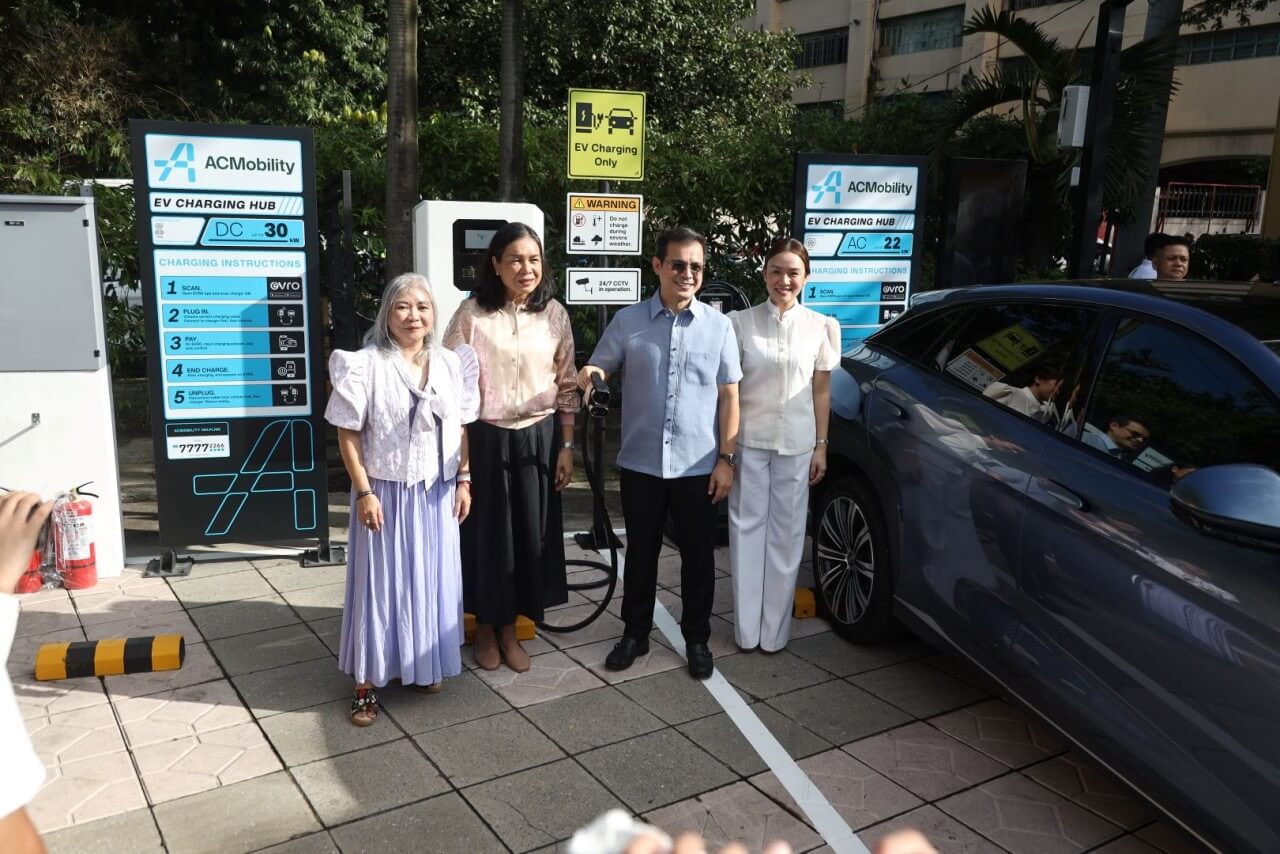
ACMobility inaugurated Manila’s first publicly accessible EV charging hub on October 19, 2026, at the Kartilya ng Katipunan near Manila City Hall, with two additional facilities planned at government-run hospitals.
Why it matters
Limited charging infrastructure remains a practical concern for prospective EV buyers, especially Filipinos living in condominiums, apartments and densely populated neighborhoods where installing home chargers may be difficult.
More publicly accessible stations could reduce range anxiety and provide motorists with greater flexibility when planning daily trips.
Driving the news
Manila Mayor Francisco “Isko Moreno” Domagoso and Vice Mayor Angela Lei “Chi” Ilagan-Atienza led the inauguration alongside ACMobility head of business development and network operations Maria Bejoc and head of government engagements Yvonne Castro.
The facility has a 22-kilowatt AC charger capable of replenishing an EV battery to 80 percent in at least three hours and a 30-kilowatt DC charger that can reach the same level within 30 minutes to an hour.
What's next
Two additional charging hubs are planned at Bagong Ospital ng Maynila and Sta. Ana Hospital, according to a company release.
These locations could provide convenient charging options for hospital visitors, employees and other motorists in surrounding communities.
“We are honored to be the first charge point operator to open a publicly accessible charging hub in the country’s capital city. This development is significant as Manila serves as a role model for other cities and towns across the country. We hope the opening of this charging hub encourages other local government units to embrace electric mobility and start building mobility infrastructure,” Bejoc said.
The bigger picture:
ACMobility operates more than 240 charging locations and over 600 charge points nationwide through its Philippine EV Spine network.
For Filipino motorists, expanding this network could help make EVs a more viable alternative to gasoline-powered vehicles, although upfront vehicle costs and charging expenses remain important considerations.
The Manila initiative also highlights the potential for public-private partnerships to address infrastructure gaps and support electric mobility adoption. —Princess Daisy C. Ominga | Ed: Corrie S. Narisma