Insider Spotlight
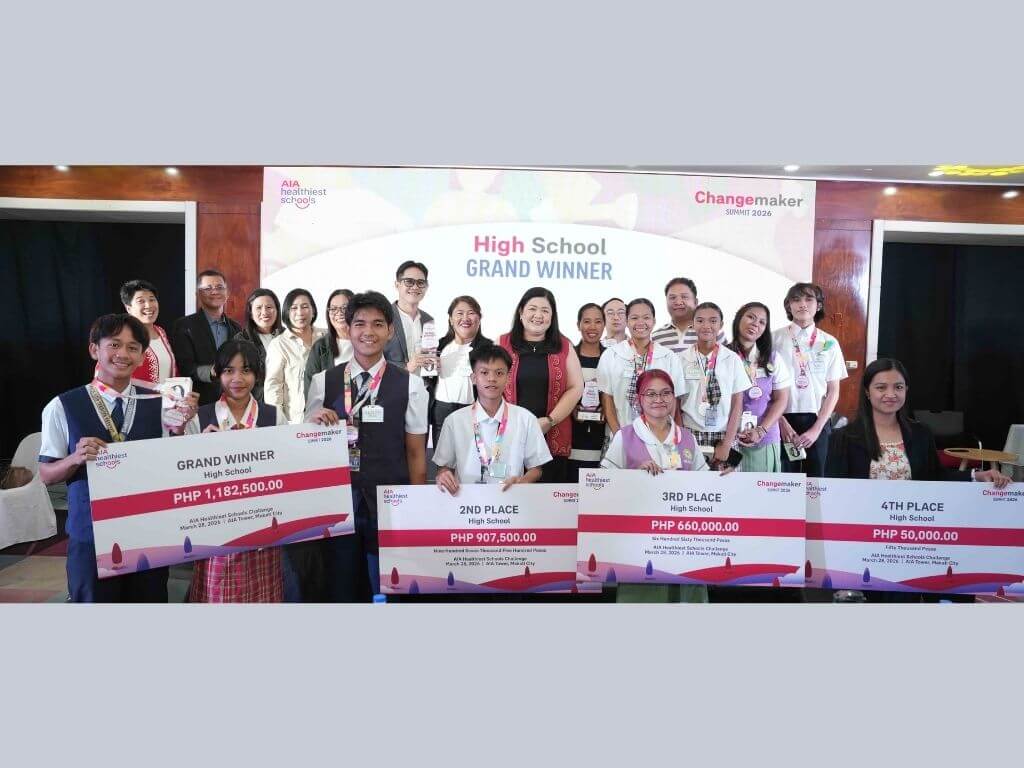
The momentum gained additional recognition after AIA Philippines named Hicming Elementary School in Catanduanes and Granada National High School-Ballesteros Extension in Iloilo as top winners during the 2026 AIA Healthiest Schools Changemaker Summit, earning spots at the regional awards competition in Bangkok this July.
Why it matters
The projects demonstrate how schools are increasingly serving as testing grounds for community-based solutions addressing healthcare access, food security, and environmental sustainability in underserved areas.
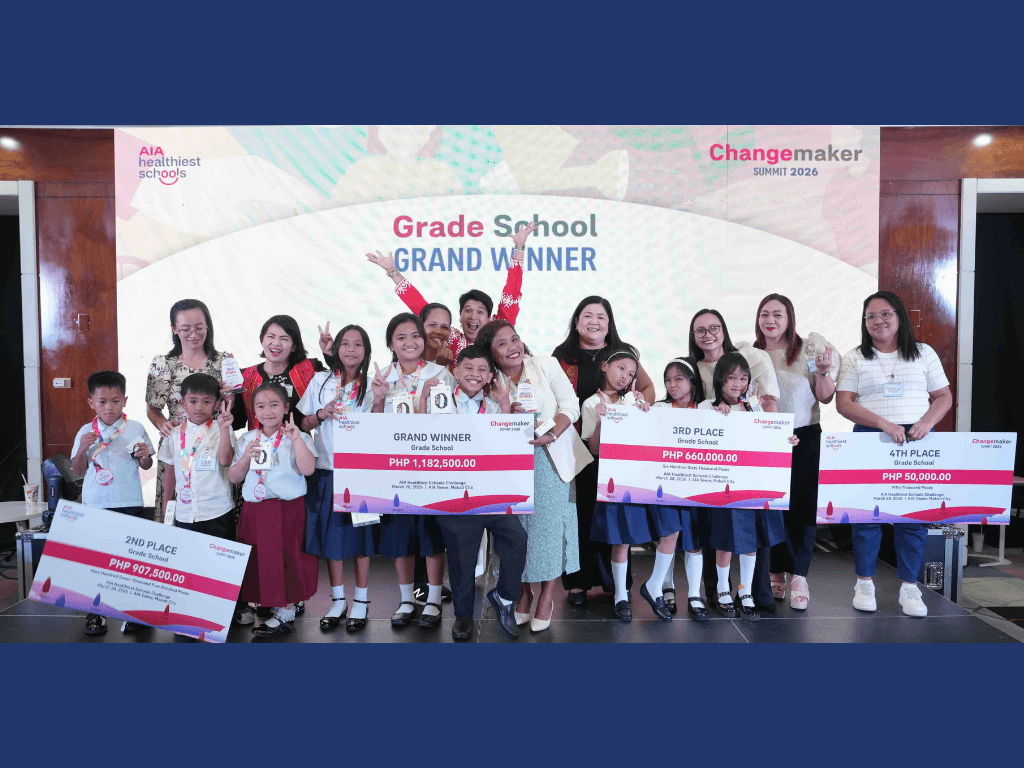
Hicming Elementary School tackled growing plastic waste by collecting non-biodegradable materials and converting them into eco-bricks used to build a medicinal herb garden.
The initiative expanded beyond school grounds as parents and local farmers joined the effort. With limited access to pharmacies on the island, residents began relying on the garden for practical health remedies, transforming a recycling project into a community resilience program.
Meanwhile, Granada National High School developed “Project Compostech” after identifying unmanaged biodegradable waste and poor soil quality as barriers to local food production. Students created organic fertilizer from collected waste, improving growing conditions for crops cultivated on campus.
The produce now supports a feeding program benefiting about 70 malnourished students and their families, including participants in the government’s 4Ps program. Revenue from fertilizer sales helps sustain the initiative.
What they’re saying
“It was inspiring to see students take real ownership of their communities’ health and sustainability challenges, and lead with purpose and conviction to create meaningful change,” AIA Philippines chief marketing officer Melissa Henson said in a press statement.
“The projects showcased at our Changemaker Summit show what’s possible when young people are given the tools and space to lead,” she added.
The big picture
Launched in the Philippines in 2024, the AIA Healthiest Schools program has expanded across five regions, reaching more than 32,000 students and nearly 1,000 teachers as it seeks to build healthier and more sustainable communities through youth leadership. —Vanessa Hidalgo| Ed: Corrie S. Narisma