
Insider Spotlight
Why it matters
The Philippines’ geography makes it uniquely suited for hydrokinetic energy, which generates power directly from flowing water without the need for large dams.
These technologies promise continuous electricity with lower environmental and social impact, expanding access while supporting the country’s long-term renewable energy goals.
Driving the shift
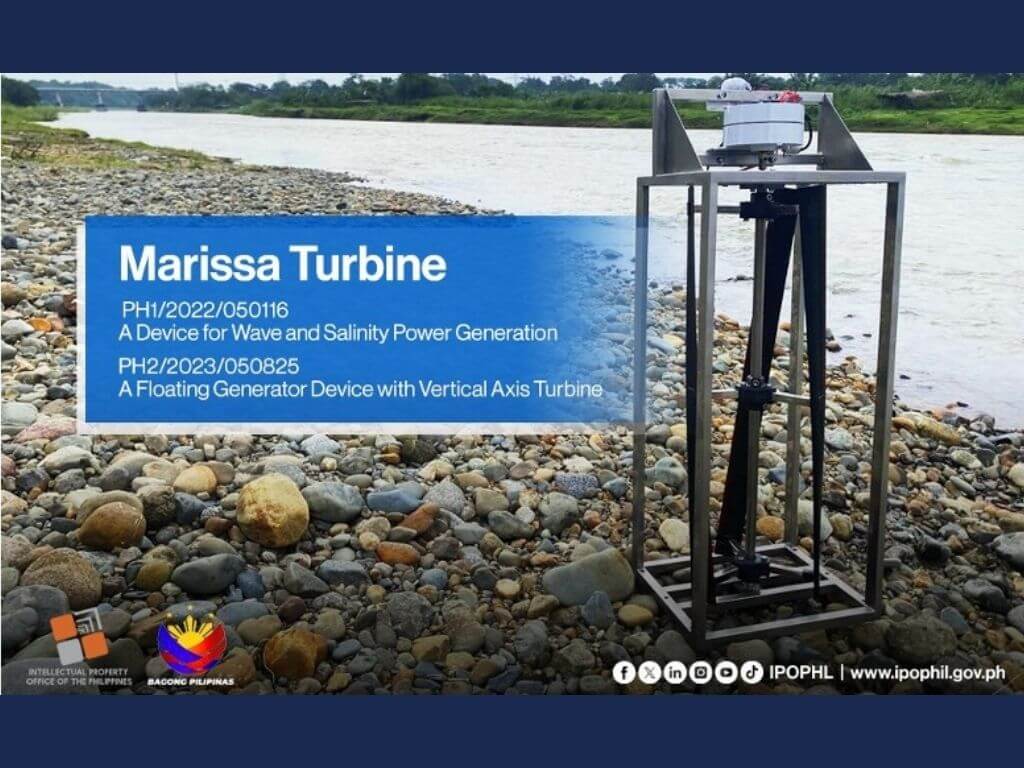
From the Wagi sa Yamang Isip feature series of the Intellectual Property Office of the Philippines, local startup Saltric is among the innovators pushing this approach forward with its Marissa Turbine, a device designed to generate electricity from river currents.
Built with a corrosion-resistant steel frame and anchored to riverbeds, the turbine can operate continuously as long as water flows, producing up to 500 watts of power per unit.
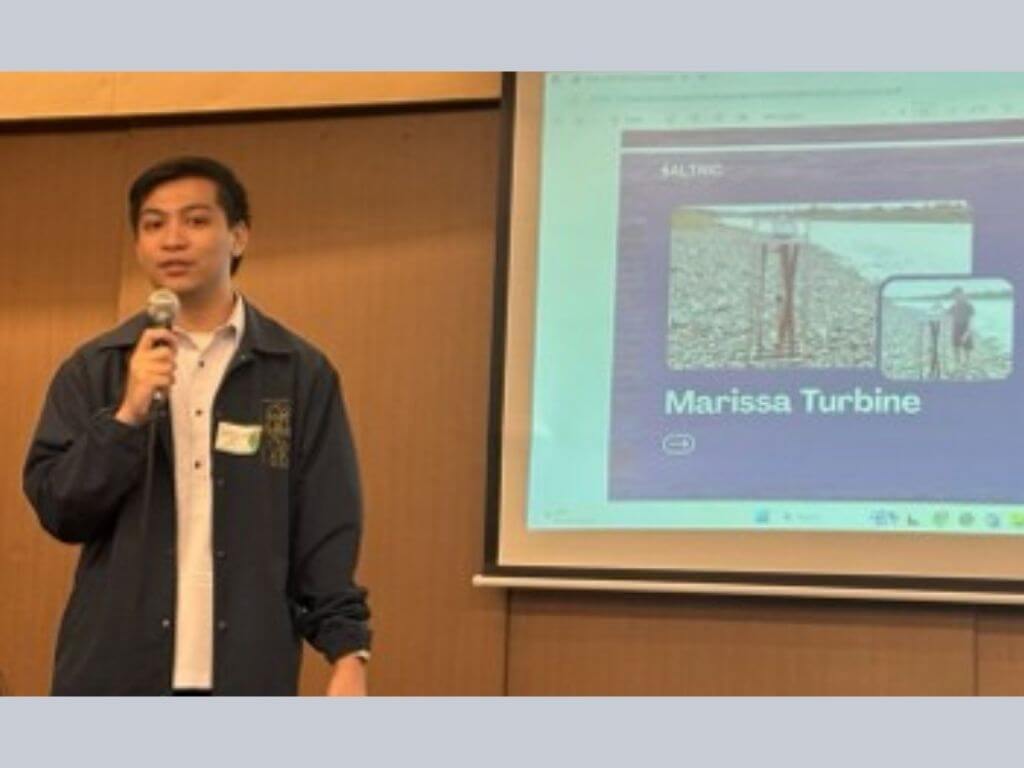
“My vision is to establish the Philippines as a leader in ocean renewable power,” Saltric founder and inventor Patrick De Guzman said in a press statement on Feb. 2, 2026.
How it works
Unlike conventional hydropower dams, hydrokinetic systems rely on natural water movement rather than stored water pressure.
Saltric’s turbine uses blades made from recycled plastic strips, reducing harm to aquatic life while reinforcing sustainability. This design allows energy to flow directly into communities without disrupting ecosystems .
The bigger picture
The Department of Energy has set a target of a fifty-fifty energy mix between renewable and conventional sources by 2040, with hydropower as a key component.
Mapping studies by the Japan International Cooperation Agency have already identified more than 250 potential sites for small-scale hydroelectric projects across the country, underscoring the scale of opportunity for water-based power.
“We are an archipelago,” De Guzman said. “But why haven’t we developed our own technology to harness water for power?”
Early results
Pilot deployments along rivers in Bulacan and Angat have demonstrated practical benefits, including lighting for night fishing and electricity for household devices such as laptops, mobile phones, and electric fans.
These early tests show how water-based innovations can support livelihoods while improving quality of life in off-grid areas .
What’s next
Saltric plans to scale deployment in Northern Luzon and explore future applications in oceans and coastal areas. If adopted widely, water-based energy could help reduce reliance on imported fuel, stabilize power costs, and position the Philippines as a regional leader in renewable energy innovation powered by water. —Vanessa Hidalgo | Ed: Corrie S. Narisma